

Best Tap Water Filtration. You want clean, safe water flowing from your tap every time you turn it on. But how do you know if your tap water is truly free from harmful chemicals, bacteria, and impurities?
Choosing the best tap water filtration system can make all the difference for your health and peace of mind. You’ll discover simple ways to improve your water quality, protect your family, and enjoy refreshing water right at home. Keep reading to find the perfect filter that fits your needs and budget.
Why Tap Water Needs Filtration
Tap water looks clean and safe. People use it for drinking, cooking, and washing. But it may contain hidden impurities. Filtration removes these unwanted substances. It makes water safer and better to use every day.
Common Contaminants In Tap Water
Tap water can carry many contaminants. These include chlorine, lead, and pesticides. Bacteria and viruses may also be present. Sometimes, tiny plastic particles get into water. Minerals like iron and calcium can change taste and color.
Health Risks From Unfiltered Water
Drinking unfiltered water can cause health problems. Lead can harm the brain and nerves. Chlorine may irritate the skin and eyes. Bacteria and viruses cause stomach pain and infections. Long exposure to chemicals may increase disease risks.
Benefits Of Filtered Water
Filtered water tastes cleaner and fresher. It helps protect your body from harmful substances. Skin feels better when washing with filtered water. Filtering can remove bad odors and colors. It supports overall health by reducing contaminants.
Types Of Water Filters
Water filters clean tap water to make it safer and better tasting. Different filters remove different types of impurities. Understanding the types helps choose the right filter for your needs.
Here are common types of water filters used in homes and offices.
Activated Carbon Filters
Activated carbon filters use charcoal to trap chemicals and odors. They remove chlorine, pesticides, and some heavy metals. These filters improve water taste and smell. They are affordable and easy to install.
Reverse Osmosis Systems
Reverse osmosis (RO) systems push water through a fine membrane. This process removes most dissolved solids, bacteria, and viruses. RO systems provide very pure water. They need regular maintenance and waste some water.
Ultraviolet Purifiers
Ultraviolet (UV) purifiers use light to kill bacteria and viruses. They do not remove chemicals or particles. UV purifiers are good for disinfecting water. They work fast and need electricity to run.
Ceramic Filters
Ceramic filters have tiny pores that block bacteria and dirt. They do not remove chemicals or viruses. These filters are reusable and easy to clean. They work well in areas with sediment in water.
Ion Exchange Filters
Ion exchange filters swap harmful ions for safer ones. They reduce hardness, lead, and other heavy metals. These filters improve water softness and taste. They require periodic recharging with salt or chemicals.
Choosing The Right Filter
Choosing the right tap water filter is important for clean and safe drinking water. Different homes have different water needs. Knowing what to consider helps you pick the best filter. This guide explains key points to think about before buying a filter.
Assessing Water Quality
Start by checking your tap water quality. Test kits can show contaminants like chlorine, lead, or bacteria. Local water reports also provide useful data. Understanding water problems helps choose a filter that removes specific impurities.
Filter Capacity And Lifespan
Look at how much water a filter can clean before needing replacement. Filters with higher capacity last longer and save money. Lifespan varies by filter type and usage. Choose a filter that fits your household’s daily water use.
Installation And Maintenance
Consider how easy the filter is to install. Some models fit under the sink, others attach to faucets. Maintenance should be simple and quick. Regular cleaning and timely cartridge changes keep water fresh and safe.
Cost Considerations
Balance initial price and ongoing costs. Cheap filters might need frequent replacements. More expensive filters often last longer and work better. Factor in filter parts, maintenance, and water testing expenses.
Top Tap Water Filtration Solutions
Clean water is essential for health. Tap water filtration helps remove harmful chemicals and particles. Different homes have different needs. Various solutions fit different spaces and budgets. This guide covers the top tap water filtration options for every home.
Best Under-sink Filters
Under-sink filters fit under your kitchen sink. They save counter space and filter water before it reaches your tap. These systems remove chlorine, lead, and other contaminants. Installation is usually simple and hidden from view. They provide clean water for drinking and cooking.
Top Countertop Filters
Countertop filters sit on your kitchen counter. They connect easily to your faucet without permanent changes. These filters are ideal for renters or small kitchens. They remove impurities and improve water taste quickly. Many models offer carbon or ceramic filtration.
Popular Faucet-mounted Filters
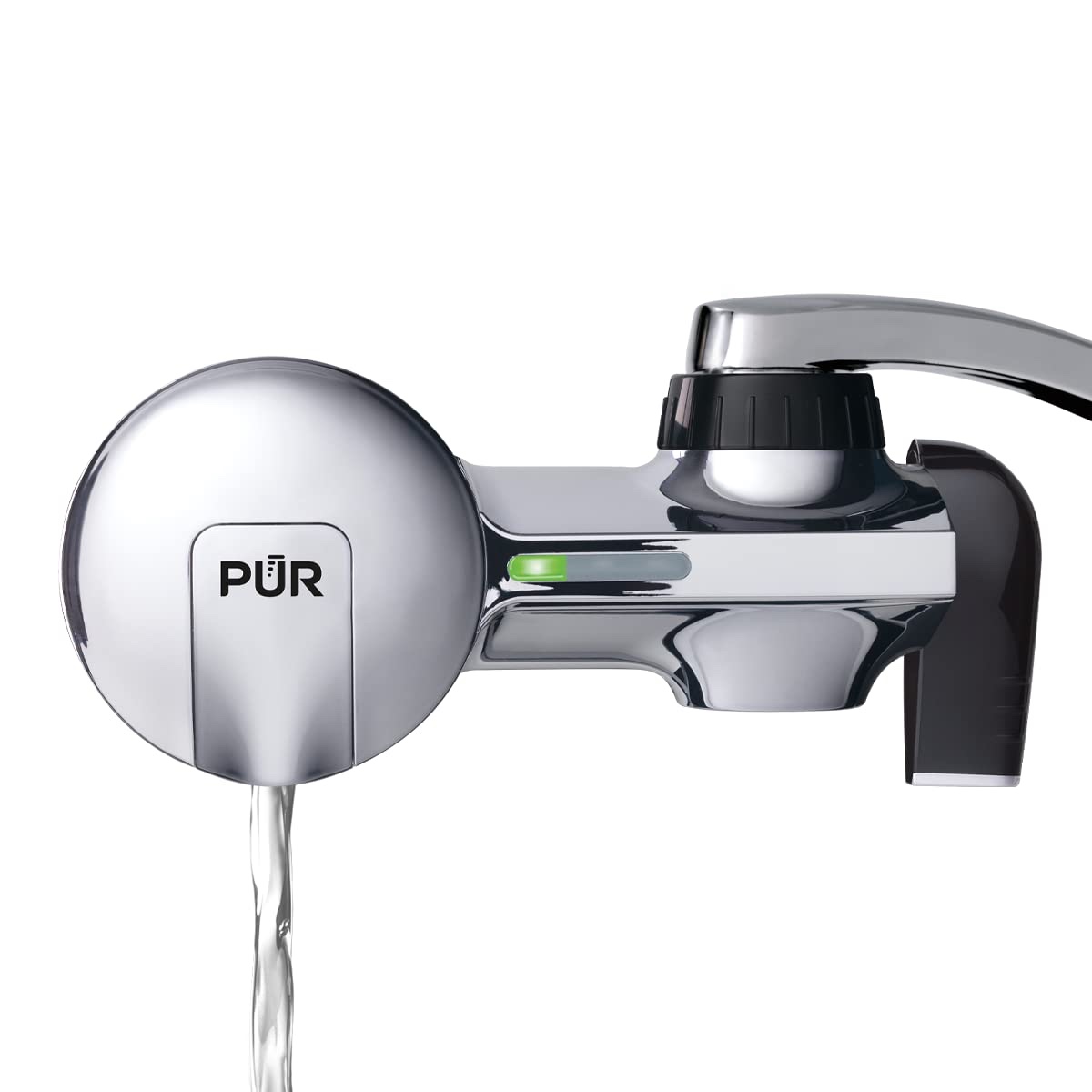
Faucet-mounted filters attach directly to your tap. They are easy to install and remove. These filters reduce chlorine, sediment, and bad odors. Switching between filtered and unfiltered water is simple. They are affordable and perfect for small households.
Leading Whole-house Systems
Whole-house filtration systems treat all water entering your home. They protect plumbing and appliances from scale and rust. These systems filter water for showers, laundry, and drinking. Installation requires professional help and more space. They are best for large families or homes with poor water quality.
Tips For Maintaining Your Filter
Maintaining your tap water filter is key to clean and safe drinking water. Proper care helps the filter work well and last longer. Simple steps keep your water fresh and free from contaminants.
When To Replace Filter Cartridges
Replace filter cartridges based on the manufacturer’s advice. Usually, change them every 3 to 6 months. Some filters have indicators to show when replacement is needed. Old cartridges lose their effectiveness and can cause poor water quality.
Cleaning And Care
Clean the filter housing regularly to avoid dirt buildup. Use a soft cloth and mild soap to wipe the surface. Avoid harsh chemicals that can damage the filter parts. Rinse all components well before reassembling to prevent contamination.
Monitoring Water Quality
Check your water taste and smell often to notice changes. Cloudy or strange-smelling water signals a problem with the filter. Test water periodically using affordable kits to track purity. Acting fast ensures your water stays healthy and safe.

Environmental Impact Of Filtration
Water filtration helps improve the quality of tap water. It also affects the environment in different ways. Knowing the environmental impact helps us choose better filtration systems. These choices can protect our planet and health.
Reducing Plastic Waste
Many people use bottled water instead of tap water. This creates a lot of plastic waste. Using a tap water filter reduces the need for plastic bottles. Filters cut down on single-use plastics. Less plastic waste means less pollution in oceans and landfills.
Energy Usage Of Different Systems
Some filtration systems use more energy than others. For example, electric filters consume power during operation. Gravity filters do not need electricity. Reverse osmosis systems often use more energy. Choosing low-energy filters helps save electricity and reduce carbon emissions.
Sustainable Filtration Choices
Materials used in filters impact the environment too. Filters made from natural or recyclable materials are better. Long-lasting filters create less waste over time. Avoid filters with harmful chemicals or non-recyclable parts. Sustainable filters protect water quality and the planet.
Frequently Asked Questions
What Is The Best Tap Water Filtration Method?
The best tap water filtration depends on your needs. Activated carbon filters remove chlorine and odors. Reverse osmosis systems eliminate most contaminants. Choose based on water quality and budget for optimal results.
How Often Should Tap Water Filters Be Replaced?
Tap water filters typically need replacement every 3 to 6 months. Check manufacturer guidelines for specific filter lifespan. Regular replacement ensures effective removal of contaminants and maintains water taste and safety.
Are Tap Water Filters Effective Against Bacteria?
Yes, many tap water filters reduce bacteria. Filters with activated carbon and UV light are effective. However, some filters may not remove all pathogens. Verify filter specifications for bacterial removal before purchase.
Can Tap Water Filtration Improve Water Taste?
Yes, filtration improves tap water taste by removing chlorine and impurities. Activated carbon filters are especially good for enhancing flavor. Clean water tastes fresher and is more enjoyable to drink daily.
Conclusion
Clean tap water is essential for health and daily life. Choosing the right filter improves taste and removes harmful substances. Many affordable options fit different needs and budgets. Regular use keeps water fresh and safe to drink. Remember, good water helps your body stay strong and hydrated.
Start with simple steps to enjoy better water every day.


