

How to Remove a Ingrown Hair. Dealing with an ingrown hair can be uncomfortable and annoying. If you’ve ever had one, you know how it can cause redness, itching, and even pain.
But the good news is, you don’t have to suffer in silence. You can take simple steps to safely remove an ingrown hair and soothe your skin. You’ll discover easy and effective methods to get rid of that stubborn hair quickly.
Keep reading, and you’ll learn how to clear up your skin and prevent ingrown hairs from coming back. Your comfort and confidence are just a few steps away.
Causes Of Ingrown Hairs
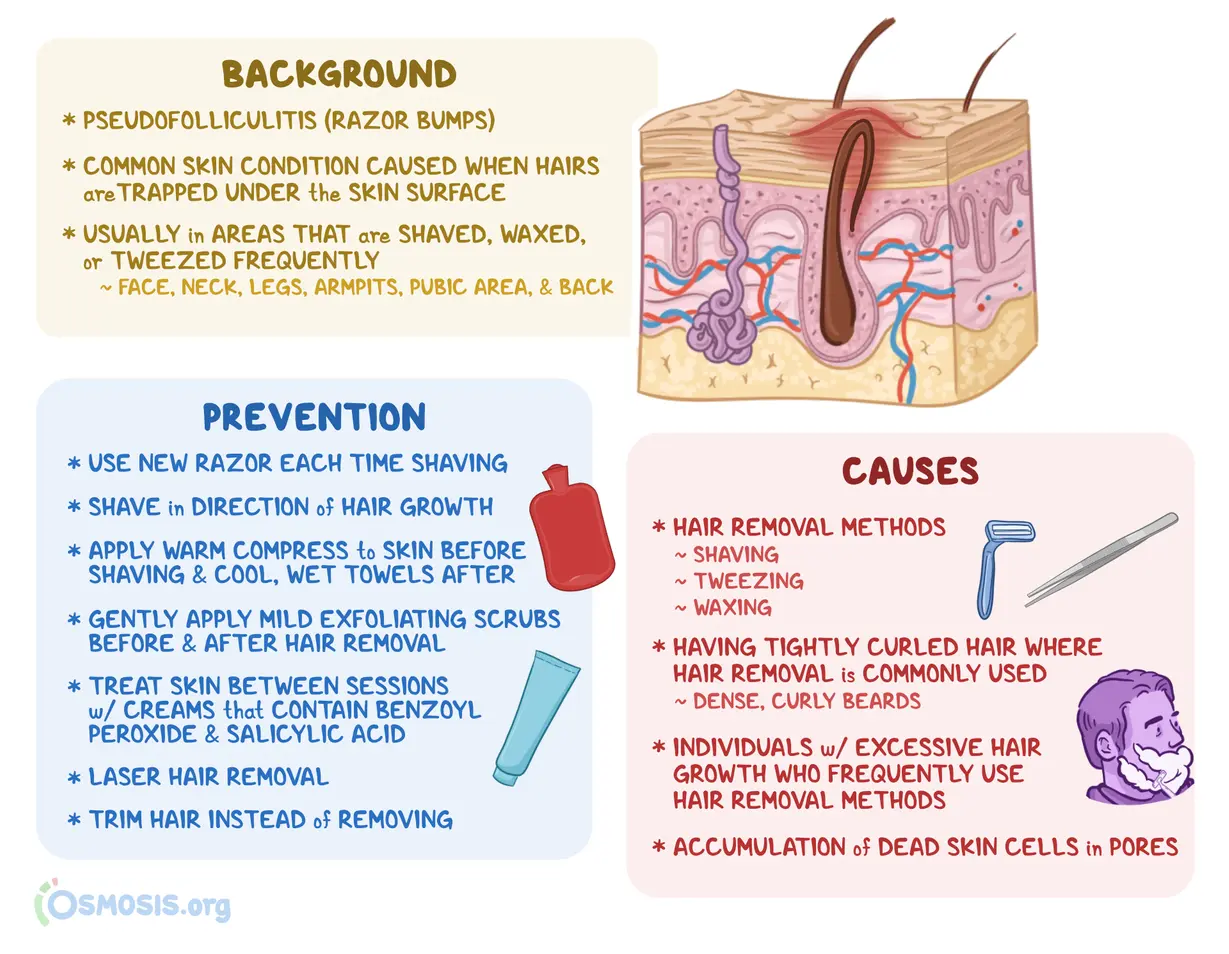
Ingrown hairs appear when hair curls back into the skin instead of growing out. This causes bumps, redness, and sometimes pain. Understanding what causes ingrown hairs helps prevent them and treat them better. Several factors affect the way hair grows and how the skin reacts.
Hair Growth Patterns
Hair does not always grow straight out of the follicle. Some hairs curl or grow sideways beneath the skin. Curly hair is more likely to grow back into the skin. This trapped hair causes irritation and bumps. The direction and shape of hair affect the chance of ingrown hairs.
Skin Types And Ingrown Hairs
Thicker or rough skin may block hair from growing out smoothly. Dry or damaged skin can trap hair under the surface. Sensitive skin can react more strongly to trapped hair and cause inflammation. Skin texture and health play a big role in ingrown hairs forming.
Impact Of Hair Removal Methods
Shaving cuts hair at the skin’s surface but can leave sharp edges. These sharp ends are more likely to grow back into the skin. Waxing pulls hair out from the root but can cause small skin tears. These tears trap hairs under the skin. Tweezing and other methods also affect hair growth and skin condition.
Signs And Symptoms
Ingrown hairs can be uncomfortable and sometimes painful. Knowing the signs and symptoms helps you spot them early. This way, you can treat the problem before it worsens. Pay close attention to your skin after shaving or waxing.
Identifying Ingrown Hairs
An ingrown hair looks like a small red bump on the skin. It may be itchy or tender to touch. Sometimes, a tiny hair is visible curling under the skin. The bump can also have pus, making it look like a small pimple. You might see dark spots or swelling around the area. These signs usually appear where hair grows, such as the legs, face, or bikini line.
When To Seek Medical Help
Seek medical help if the bump grows larger or becomes very painful. If you notice spreading redness or warmth, it might be infected. Pus that keeps coming back is also a warning. A fever can mean the infection is serious. Doctors can provide treatments to stop infections and reduce pain. Early care prevents complications and speeds up healing.
Preparation For Removal
Preparing the skin before removing an ingrown hair is very important. Good preparation reduces pain and prevents infection. The skin must be clean and soft for easy removal.
Below are the key steps for preparation.
Cleaning The Area
Start by washing the skin with warm water and mild soap. This removes dirt and oils that can cause infection. Use a clean cloth or your hands to gently scrub the area. Rinse thoroughly and pat dry with a clean towel. Avoid harsh soaps or scrubbing hard, as this can irritate the skin.
Warm water helps open pores and softens the hair. This makes it easier to remove the ingrown hair safely.
Tools You’ll Need
Gather all necessary tools before starting. Use clean, sharp tweezers to lift the hair gently. A sterilized needle can help if the hair is deeply embedded. Have cotton balls or pads ready to clean the area during removal. Rubbing alcohol or antiseptic wipes are essential to sterilize tools and skin.
Ensure all tools are clean to prevent infection. Avoid using dirty or blunt instruments, which can cause injury.
.png)
Safe Diy Removal Techniques
Removing an ingrown hair at home can be done safely with the right steps. These techniques help reduce irritation and clear the hair without causing damage. Patience is key. Avoid rushing the process to prevent infection or scarring.
Follow simple and gentle methods to ease the hair out. Cleanliness is important. Always wash your hands and the affected area before starting.
Using Warm Compresses
Apply a warm compress to the ingrown hair area for 10 to 15 minutes. The heat softens the skin and opens pores. This helps the trapped hair come closer to the surface.
Repeat the compress three to four times a day. It reduces swelling and pain. Avoid using hot water to prevent burns.
Gentle Exfoliation
Use a soft scrub or a washcloth to exfoliate the skin gently. This removes dead skin cells that block the hair follicle. Exfoliating daily helps the hair grow out naturally.
Do not scrub too hard. Harsh exfoliation can irritate the skin and worsen the ingrown hair.
Tweezing With Care
Use clean, sterilized tweezers to lift the hair gently. Only try this if the hair is visible above the skin. Pull the hair out slowly without breaking it.
Stop if you feel pain or if the area bleeds. Avoid digging under the skin. This can cause infection or scarring.
Home Remedies To Soothe Skin
Ingrown hairs can cause redness, swelling, and discomfort. Soothing the skin quickly helps reduce irritation. Home remedies offer gentle care to calm the affected area. These natural treatments ease pain and speed healing.
Aloe Vera Applications
Aloe vera has cooling and anti-inflammatory properties. Apply fresh aloe gel directly to the ingrown hair. It reduces redness and soothes itching. Leave it on for 20 minutes, then rinse with warm water. Repeat twice daily for best results.
Tea Tree Oil Benefits
Tea tree oil fights bacteria and prevents infection. Dilute a few drops with a carrier oil like coconut oil. Dab the mixture gently on the ingrown hair with a cotton ball. Avoid using undiluted tea tree oil to prevent skin burns. Use this remedy once or twice a day.
Hydrocortisone Cream Use
Hydrocortisone cream reduces inflammation and itching quickly. Apply a small amount on the affected skin. Do not use it on broken or infected skin. Limit use to a few days to avoid side effects. This cream provides relief and helps skin heal faster.
Preventing Future Ingrown Hairs
Preventing future ingrown hairs helps keep your skin smooth and healthy. Simple daily habits can reduce the chance of hairs growing back into the skin. Careful skin care and hair removal methods make a big difference. Follow these tips to protect your skin from irritation and bumps.
Proper Shaving Techniques
Use a clean, sharp razor to avoid skin damage. Shave in the direction of hair growth. Avoid pressing too hard to prevent cuts and irritation. Rinse the blade often during shaving. Shaving gently helps keep hair from curling back under the skin.
Moisturizing And Exfoliating
Keep your skin hydrated with a good moisturizer. Moist skin softens hair and skin, easing hair growth. Exfoliate regularly to remove dead skin cells. This opens pores and frees trapped hairs. Use gentle scrubs or exfoliating gloves for best results.
Choosing The Right Hair Removal Method
Pick hair removal methods that suit your skin type. Waxing, epilating, or laser hair removal may reduce ingrown hairs more than shaving. Test new methods on a small skin patch first. Avoid harsh chemicals that can irritate skin. Find what works best for your skin’s health.
When To Consult A Professional
Knowing when to consult a professional for an ingrown hair is important. Most ingrown hairs heal with home care. Some cases need expert help to avoid problems. Recognizing signs that require medical attention ensures safe treatment and faster healing.
Signs Of Infection
Watch for redness that spreads beyond the hair area. Swelling and warmth around the bump can show infection. Pus or yellow fluid oozing means bacteria may be present. Pain that worsens or lasts more than a few days is a warning. Fever and chills are serious signs needing a doctor’s care.
Persistent Or Severe Cases
How to Remove a Ingrown Hair.Ingrown hairs that do not improve after several days need a professional check. Large or deep bumps that cause discomfort require medical treatment. Multiple ingrown hairs in the same area can cause scarring or skin damage. People with diabetes or weak immune systems should seek help early. Professionals can safely remove hair and prescribe medicine if needed.

Frequently Asked Questions
What Causes Ingrown Hairs To Develop?
Ingrown hairs occur when hair curls back or grows sideways into the skin. This causes inflammation and bumps. Shaving, waxing, or tight clothing can increase the risk. Proper hair removal techniques can help prevent ingrown hairs from forming.
How Can I Safely Remove An Ingrown Hair At Home?
Soften the skin with a warm compress for 10 minutes. Use a sterilized needle or tweezers to gently lift the hair. Avoid digging into the skin to prevent infection. Apply antiseptic after removal to reduce irritation and promote healing.
How Long Does It Take For Ingrown Hairs To Heal?
Ingrown hairs usually heal within a few days to two weeks. Healing time depends on care and avoiding further irritation. Keeping the area clean and moisturized helps speed up recovery. If infection occurs, consult a healthcare professional.
Can Ingrown Hairs Cause Infection Or Scarring?
Yes, ingrown hairs can lead to infection if not treated properly. Scratching or squeezing increases infection risk. Infected ingrown hairs may cause redness, pus, or pain. Persistent irritation can result in scarring or dark spots on the skin.
Conclusion
Removing an ingrown hair takes care and patience. Use clean tools and gentle methods to avoid infection. Keep the area clean and avoid picking at the hair. Regular exfoliation can help prevent ingrown hairs from coming back. If pain or swelling lasts, see a doctor.
Taking these steps helps your skin heal faster and stay healthy. Simple care makes a big difference in comfort and skin health.


