
Training your puppy to use pee pads can save you time, stress, and mess. If you want a clean home and a happy pet, learning how to pee pad train your puppy is key.
You might be wondering where to start or how to make the process smooth and effective. This guide will walk you through simple steps that anyone can follow, helping your puppy develop good bathroom habits quickly. Keep reading to discover easy tips that work, so you and your furry friend can enjoy a cleaner, happier life together.
Choosing The Right Pee Pads
Choosing the right pee pads is key to successful puppy training. The right pad makes cleaning easier. It helps your puppy learn faster. Picking the right pad means less mess and stress. It saves time and keeps your home fresh.
Types Of Pee Pads
Pee pads come in many types. Some have a plastic backing to protect floors. Others have a quilted top for comfort. There are scented pads that help mask odors. Some pads are eco-friendly and biodegradable. Choose one that fits your puppy’s needs.
Size And Absorbency
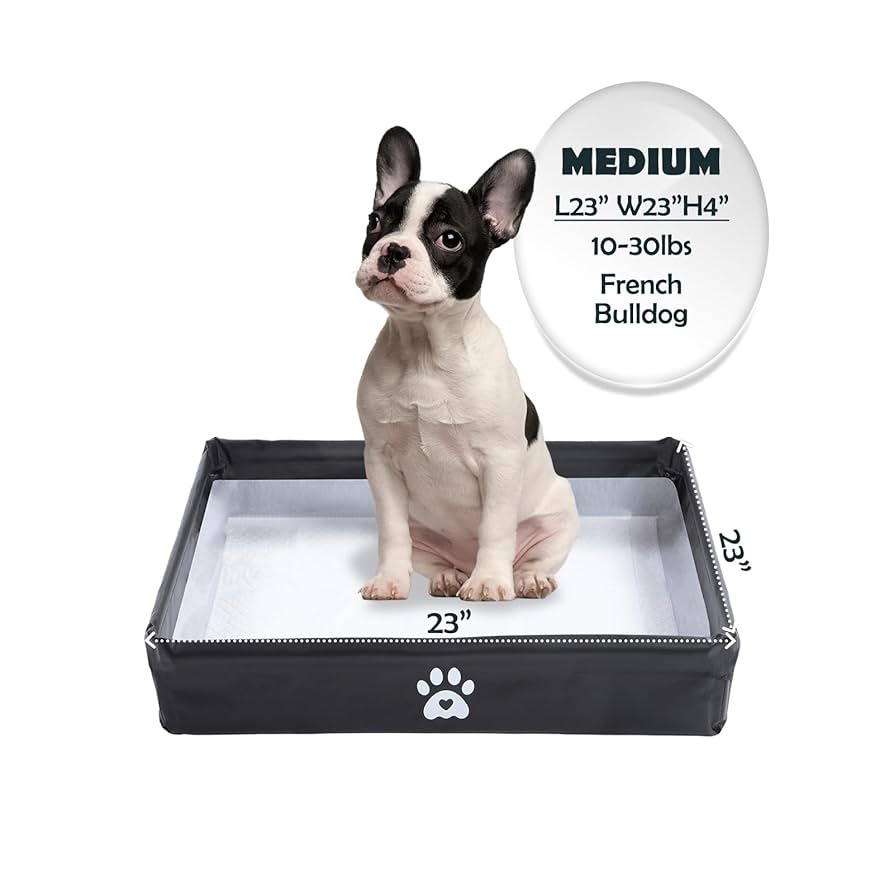
Pick a pad size that fits your puppy. Small puppies need smaller pads. Bigger puppies need larger pads. Absorbency matters too. A good pad soaks up urine quickly. It stops leaks and keeps floors dry. Check the pad’s thickness and layers.
Placement Tips
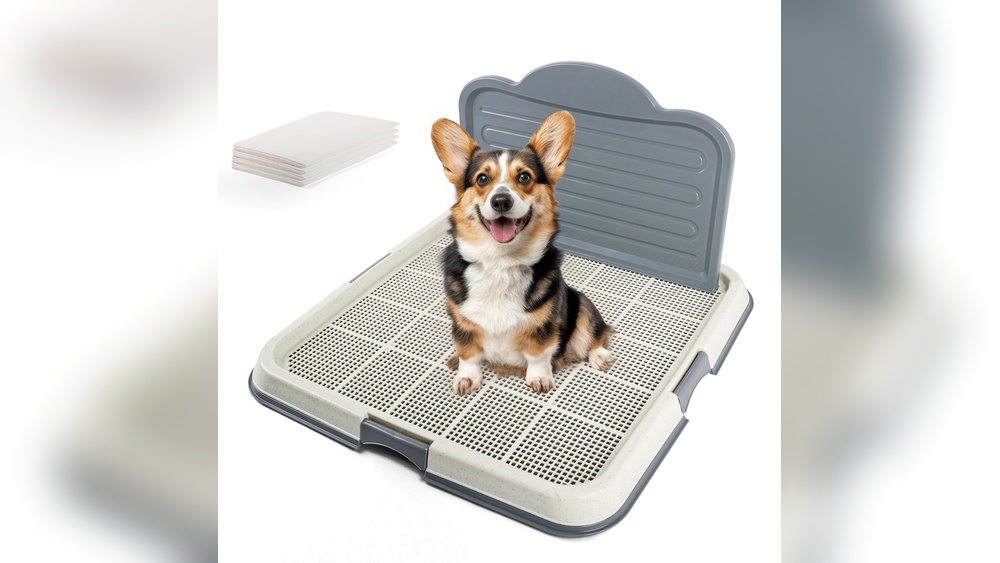
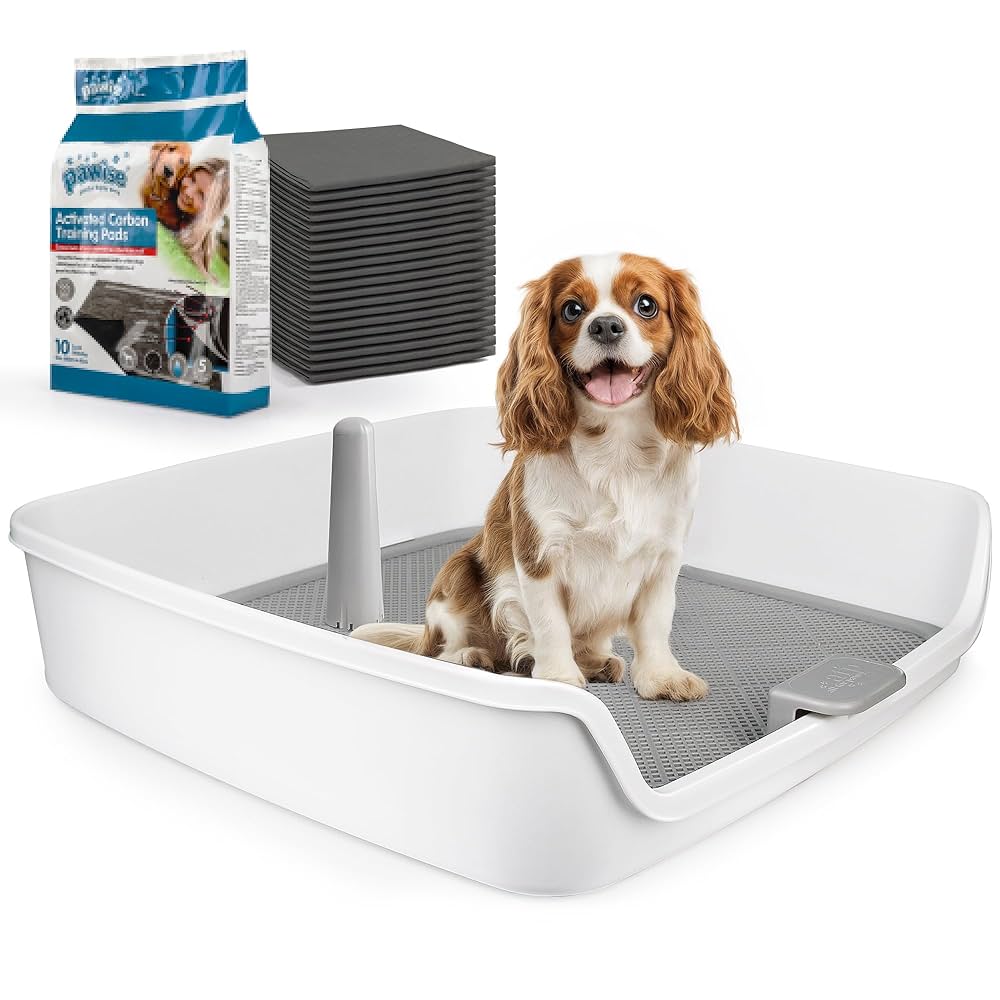
Place the pad in a quiet spot. Choose an area your puppy visits often. Keep it away from their food and water bowls. Change the pad often to keep it fresh. Use a tray or holder to keep the pad flat. This helps your puppy feel comfortable.
Preparing Your Puppy
Preparing your puppy for pee pad training is an important first step. This sets the foundation for good habits. A calm and patient approach helps your puppy learn quickly. Start with clear routines and positive signals. This makes the process easier for both of you.
Setting A Schedule
Establish a regular feeding and bathroom schedule. Puppies often need to pee after eating or sleeping. Take your puppy to the pee pad at these times. Consistent timing helps your puppy understand when to use the pad. It also reduces accidents around the house.
Introducing The Pee Pad
Place the pee pad in a quiet, easy-to-find spot. Let your puppy sniff and explore the pad. Do not force your puppy onto it. Encourage gentle curiosity and praise calm behavior. Keep the pad clean and replace it often to avoid odors.
Using Commands And Praise
Choose a simple command like “Go potty” for the pee pad. Say the command softly and clearly before your puppy uses the pad. Reward your puppy immediately with praise or a small treat. This helps your puppy connect the command with the action. Consistent praise builds good habits fast.
Training Process
The training process for pee pad training a puppy takes patience and consistency. You need to guide your puppy step by step. This helps the puppy learn where to go without confusion.
Start by setting a clear routine. Puppies feel safe with regular times to use the pad. Praise and rewards make the puppy want to use the pad again. Keep your focus on teaching, not on scolding.
Encouraging Use Of The Pad
Place the pad in a quiet, easy-to-reach spot. Show your puppy the pad often. Use a command like “go potty” to link the action with the place.
Watch for signs your puppy needs to go, such as sniffing or circling. Gently take your puppy to the pad. Praise loudly and give a treat after success.
Repeat this several times daily. Consistency helps your puppy understand what is expected.
Handling Accidents
Accidents will happen. Stay calm and do not punish the puppy. Clean the area well to remove smells. This stops the puppy from returning there.
Redirect your puppy to the pad after an accident. Use a firm but gentle voice. Teach your puppy the right place without fear or stress.
Patience is key. Puppies learn slowly but surely. Keep a watchful eye to prevent accidents.
Gradually Reducing Dependence
Once your puppy uses the pad reliably, reduce the pad size. Move the pad closer to the door each week. This helps the puppy move outside to potty.
Offer praise when the puppy goes outside. Slowly remove the pad after the puppy adapts. Your goal is for the puppy to go outdoors.
Keep routines and rewards during this change. Your puppy needs support to feel confident.

Common Challenges
How to Pee Pad Train a Puppy. Pee pad training a puppy can bring some challenges. These problems are normal and easy to fix with patience. Knowing common challenges helps you stay calm and keep training steady.
Puppy Avoiding The Pad
Sometimes puppies do not want to use the pad. They may feel scared or confused by its texture or smell. Place the pad in a quiet, easy-to-reach spot. Try using a puppy-safe scent to attract them. Praise your puppy every time they use the pad correctly. This builds good habits and confidence.
Frequent Accidents
Accidents happen often at first. Your puppy’s bladder is small and still learning control. Clean accidents quickly to remove smells that invite repeat mistakes. Watch your puppy closely for signs they need to go. Take them to the pad often, especially after eating or sleeping. Consistency helps reduce accidents over time.
Regression Issues
Sometimes, puppies suddenly stop using the pad. This can happen after changes like moving or new family members. Stress or illness can also cause regression. Stay patient and return to training basics. Offer more breaks and praise for using the pad. If problems last, talk to a vet to rule out health issues.
Maintaining Cleanliness
Keeping the pee pad area clean is key to successful training. A clean space helps your puppy learn good habits faster. It also keeps your home fresh and free from bad smells.
Cleaning regularly shows your puppy where to go. It prevents accidents outside the pad. A tidy area keeps your puppy happy and healthy.
Regular Pad Replacement
Change the pee pad often. Wet or dirty pads confuse your puppy. Fresh pads attract your puppy to the right spot. Replace pads at least twice a day. More if your puppy uses them a lot.
Cleaning The Area
How to Pee Pad Train a Puppy. Clean around the pad with mild soap and water. Avoid strong chemicals that can harm your puppy. Dry the area well after cleaning. This stops your puppy from slipping or getting cold. A clean floor stops germs and bacteria from spreading.
Preventing Odors
Use odor neutralizers safe for pets. Sprinkle baking soda around the pad area to absorb smells. Make sure the room is well ventilated. Good airflow helps keep the space fresh. Regular cleaning also stops odors from building up.
Transitioning Outdoors
Transitioning your puppy from pee pads to outdoor potty training is a key step. It helps your dog learn to go outside. This change takes time, patience, and consistency. A smooth transition avoids confusion for your puppy. Start slow, stay calm, and encourage your pet often.
When To Start
Begin outdoor training once your puppy is about 12 weeks old. Make sure they have had all necessary vaccinations. Puppies younger than this are more vulnerable to illnesses outside. Watch for signs your puppy is ready. If they seem curious about the outdoors, it’s a good time.
Combining Pad And Outdoor Training
At first, use both pads and outdoor trips. Take your puppy outside right after they use the pad. Praise your dog when they go outside. This teaches them outdoors is a good place to potty. Gradually move the pad closer to the door. Then, place the pad outside near the spot you want them to go.
Full Outdoor Training Tips
Pick a consistent spot outside for your puppy to use. Always take your dog there at the same times daily. Use a simple command like “Go potty” to help them understand. Praise and reward your puppy immediately after they finish. Avoid punishment for accidents indoors. Clean indoor accidents well to remove smells.
Frequently Asked Questions
How Long Does It Take To Pee Pad Train A Puppy?
Pee pad training usually takes 2 to 4 weeks with consistent effort. Puppies learn faster with regular schedules and positive reinforcement. Patience and repetition are key to success in this process.
When Should I Start Pee Pad Training My Puppy?
Start pee pad training as soon as you bring your puppy home. Early training helps establish good habits and reduces accidents. Puppies adapt quickly when introduced to pee pads from the beginning.
How Often Should I Take My Puppy To Pee Pads?
Take your puppy to the pee pad every 1 to 2 hours initially. Frequent trips help them associate the pad with bathroom breaks. Gradually increase the time between visits as training progresses.
Can I Use Treats To Encourage Pee Pad Training?
Yes, using treats rewards your puppy for peeing on the pad. Positive reinforcement motivates them to repeat the behavior. Always praise and reward immediately after they use the pad correctly.
Conclusion
Pee pad training a puppy takes patience and care. Keep a regular schedule for bathroom breaks. Praise your puppy when they use the pad correctly. Clean accidents quickly to avoid repeat spots. Remember, every puppy learns at a different speed.
Stay calm and consistent throughout the process. Soon, your puppy will understand where to go. This makes life easier for both of you. Enjoy the journey of training your new friend.


