
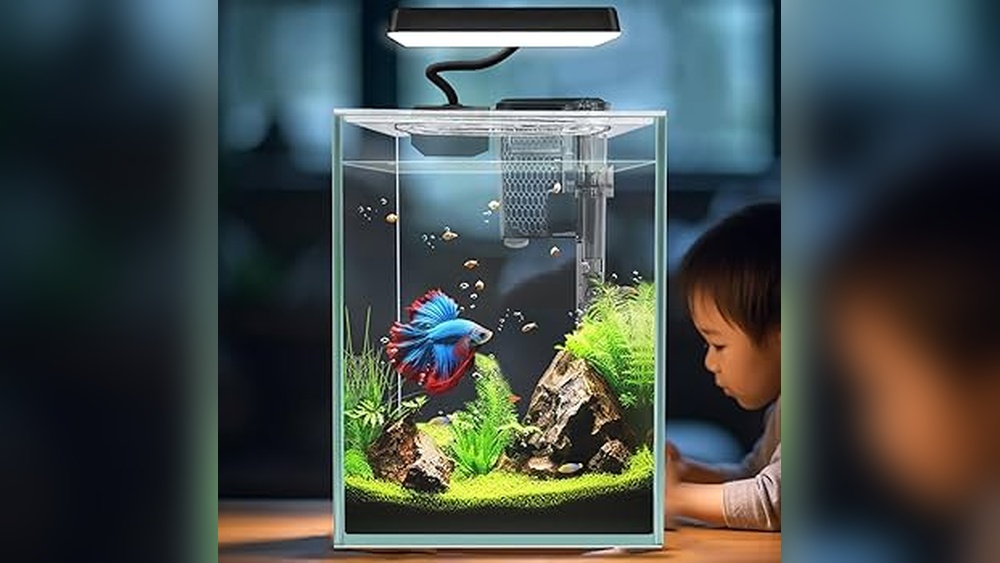
If you’re thinking about adding a Betta to your fish tank, you’re about to welcome a splash of color and personality into your home. Bettas are not just beautiful; they’re also fascinating to watch.
But before you dive in, there are some important things you need to know to keep your Betta happy and healthy. This guide will help you create the perfect environment for your new fish friend, so you can enjoy every moment of your aquarium experience.
Ready to make your fish tank come alive? Let’s get started.
Choosing The Right Tank
Choosing the right tank is the first step to keeping a happy Betta fish. The tank affects how well your Betta lives. It controls water quality, space, and comfort. A proper tank creates a healthy environment. It also reduces stress and illness in your fish.
Tank Size Recommendations
A Betta needs enough space to swim freely. A tank of at least 5 gallons works best. Smaller tanks cause poor water quality and stress. Larger tanks help keep water stable. They also give room for decorations and plants. Avoid tiny bowls or vases. These are too small and unsafe.
Ideal Tank Setup
Use a tank with a lid to stop Betta from jumping out. Add smooth gravel or sand at the bottom. Include live or silk plants for hiding spots. Avoid sharp decorations that can tear fins. A gentle filter helps keep water clean. Make sure the flow is not too strong. Bettas prefer calm water. A heater keeps water temperature between 76°F and 82°F. This is the best range for Betta health.
Placement And Lighting
Place the tank in a quiet area away from direct sunlight. Too much sun causes algae and heats the water. Betta fish do well with 8 to 12 hours of light daily. Use a low-wattage LED or aquarium light. Turn off the light at night to mimic natural cycles. Avoid locations near loud noises or heavy traffic. This keeps your Betta calm and happy.
Water Quality Essentials
Maintaining good water quality is key to keeping Betta fish healthy. Clean water helps them live longer and stay active. Poor water conditions stress Bettas and cause illness. Understanding water quality essentials helps you create a safe home for your fish.
Focus on temperature control, filtration systems, and regular water testing. These factors keep the water balanced and safe for your Betta. Small changes can make a big difference in their environment.
Temperature Control
Bettas need warm water to thrive. Keep the temperature between 76°F and 82°F. Use a reliable heater to maintain steady warmth. Avoid sudden temperature changes. They can shock your fish and cause health issues. Check the temperature daily with a thermometer.
Filtration Systems
A good filter removes harmful waste and toxins. Choose a gentle filter, so it does not stress your Betta. Strong currents can tire your fish. Clean the filter regularly to keep it working well. A clean tank means a happy Betta.
Water Testing And Changes
Test water for ammonia, nitrites, and nitrates weekly. High levels harm your Betta. Use water test kits for easy checks. Change 20-25% of the water every week. This removes waste and keeps water fresh. Always use treated water to remove chlorine and chemicals.
Feeding Your Betta
Feeding your betta fish is key to keeping it healthy and happy. Bettas need a balanced diet to grow strong and show their bright colors. Knowing what to feed and how often helps avoid health problems. This section covers the best food types, how often to feed, and how to prevent overfeeding.
Best Food Types
Bettas eat mainly protein. High-quality betta pellets are a great choice. Look for pellets made just for bettas. Freeze-dried or frozen foods like bloodworms and brine shrimp offer variety. These foods mimic what bettas eat in the wild. Avoid flakes made for other fish. They can cause poor nutrition.
Feeding Frequency
Feed your betta small meals twice a day. Each meal should be just enough to finish in two minutes. Bettas have small stomachs. Overfeeding leads to leftover food and dirty water. Feeding the right amount keeps your tank clean and your fish healthy.
Avoiding Overfeeding
Overfeeding can cause bloating and swim problems. Uneaten food pollutes the water. This harms your betta’s health. Remove any leftover food after feeding. Use a small feeding spoon to control portions. Watch your fish’s behavior and body shape to spot overfeeding early.

Tank Mates For Bettas
Bettas are beautiful and colorful fish that many people love to keep. They can live with other fish, but choosing the right tank mates is very important. Some fish get along well with bettas, while others cause fights and stress. Knowing which fish are safe helps keep your betta happy and healthy.
Compatible Species
Some fish live peacefully with bettas. Small, calm species like neon tetras and corydoras catfish work well. Snails and shrimp can also share a tank. Avoid fish with long fins or bright colors. These can make bettas aggressive. Always pick tank mates that swim in different tank levels.
Aggression Management
Bettas can be aggressive, especially males. Use plenty of plants and hiding spots to reduce fights. Watch for signs of stress or damage on fish. Separate fish if aggression starts. Feeding your betta well also lowers aggression. A calm betta means a peaceful tank.
Avoiding Common Conflicts
Some fish trigger fights with bettas. Avoid fin-nippers like tiger barbs or large, fast swimmers. Keep tank size in mind; small tanks cause more conflict. Regularly clean the tank and keep water healthy. Proper care reduces stress and stops fights. Know your betta’s behavior to prevent problems.
Health And Disease Prevention
Keeping your Betta fish healthy is key for a happy tank. Healthy fish live longer and show bright colors. Disease can spread fast in small tanks. Knowing how to prevent sickness helps protect your Betta.
Good water quality and regular cleaning reduce disease risks. Watching your Betta daily helps catch problems early. Early care means less stress and better recovery.
Recognizing Symptoms
Look for changes in behavior or appearance. A Betta that hides or stops eating may be sick. Faded colors or clamped fins are signs of trouble. White spots, redness, or swelling show illness. Quick breathing or gasping at the surface means poor water or sickness.
Common Illnesses
Fin rot causes torn or ragged fins. It happens from dirty water or injury. Ich shows as tiny white dots on the body. Velvet disease makes a gold dust look on the skin. Swim bladder disorder causes floating or sinking problems. Dropsy makes the body swell and scales stick out.
Treatment Options
Clean the tank and change water often. Use aquarium salt to help heal minor wounds. Medicines treat specific diseases like ich or fin rot. Follow instructions on medicine carefully. Quarantine sick fish to stop spreading illness. Keep water warm and stable to support healing. Feed high-quality food to boost your Betta’s immune system.

Enhancing Betta Environment
Creating a comfortable and interesting environment is key for Betta fish health. A well-set tank keeps Bettas happy and less stressed. Simple changes can make a big difference in their daily life.
Decorations And Plants
Decorations add color and texture to the tank. Choose smooth items that won’t harm Betta fins. Live or silk plants are ideal. They offer natural beauty and improve water quality. Plants give Bettas places to explore and rest.
Hiding Spots
Bettas need safe places to hide. Small caves, tunnels, or dense plants work well. Hiding spots reduce stress by giving privacy. They help Bettas feel secure in the tank. Make sure hiding places are easy to enter and exit.
Stimulating Activities
Keeping Bettas active is important. Floating toys or mirrors encourage movement. Change decorations sometimes to spark curiosity. Betta fish enjoy gentle water currents. These activities boost their mental and physical health.
Breeding Betta Fish
Breeding Betta fish is a rewarding experience for aquarium enthusiasts. It requires patience, care, and the right setup. Bettas show unique behaviors during breeding, making it interesting to observe.
Proper preparation of the breeding tank helps ensure success. Understanding their mating rituals and caring for the young fry is essential.
Preparing The Breeding Tank
Choose a small tank of about 5 gallons for breeding. Keep the water temperature between 78 and 80 degrees Fahrenheit. Add a heater to maintain steady warmth.
Fill the tank with clean, soft water. Add gentle filtration to avoid strong currents. Place some hiding spots like plants or small caves.
Use a clear divider if needed to separate male and female before mating. The tank must have a lid to keep the fish safe.
Mating Behaviors
The male Betta builds a bubble nest at the water surface. He flares his fins and shows bright colors to attract the female. The female responds by darkening her body.
When ready, the male wraps his body around the female to help release eggs. He collects the eggs and places them in the bubble nest. This process can take several hours.
The male guards the nest fiercely, chasing away intruders. The female should be removed after spawning to avoid stress.
Caring For Fry
Eggs hatch in about 24 to 36 hours. The fry stay in the bubble nest for a few days. Avoid feeding the male during this time to reduce stress.
Once free swimming, feed the fry tiny foods like infusoria or specialized fry food. Keep water clean by changing small amounts daily.
Separate the fry into larger tanks as they grow. Monitor their health and growth closely for best results.

Frequently Asked Questions
How Big Should A Betta Fish Tank Be?
A betta fish tank should be at least 5 gallons. This size provides enough space for swimming. It also helps maintain water quality and reduces stress for the fish.
Can Bettas Live With Other Fish In A Tank?
Bettas can live with peaceful, non-fin-nipping fish. Avoid housing them with aggressive or fin-nipping species. Always monitor tank behavior to prevent conflicts.
How Often Should I Clean A Betta Fish Tank?
Clean your betta tank weekly by changing 25-50% of the water. This keeps ammonia and toxins low. A clean tank promotes betta health and longevity.
What Temperature Is Ideal For A Betta Fish Tank?
Bettas thrive in water temperatures between 76°F and 82°F. Use a heater to maintain a stable temperature. Proper warmth supports their immune system and activity.
Conclusion
Betta fish bring color and life to any fish tank. They need clean water and a warm place to swim. Feeding them right keeps them healthy and happy. Avoid putting two male bettas together; they fight. A small tank with plants suits bettas well.
Watching their bright fins can be very relaxing. Caring for bettas is simple and rewarding. They make great pets for beginners and experts alike. A little effort goes a long way in keeping them well. Enjoy the beauty and calm bettas provide every day.


