
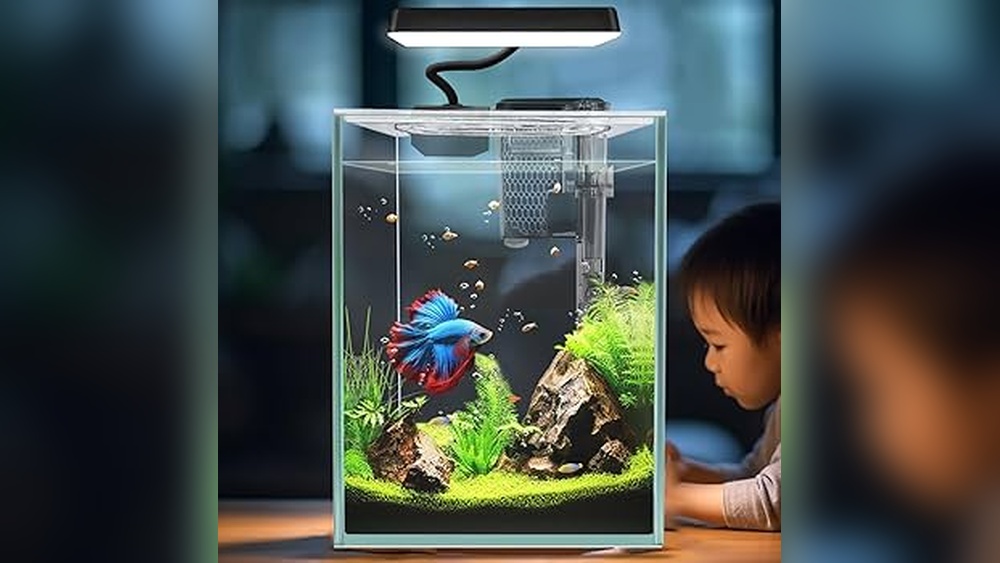
Choosing the best tank for your betta fish is more important than you might think. Your betta deserves a home that keeps it healthy, happy, and vibrant.
But with so many options out there, how do you know which tank is right for you? This guide will help you find the perfect tank that fits your space, budget, and your betta’s needs. By the end, you’ll feel confident in creating a comfortable and beautiful environment your betta will love.
Keep reading to discover what makes a tank truly the best for your colorful friend.

Betta Fish Tank Basics
Choosing the right tank is key to keeping a betta fish healthy and happy. A good tank provides enough space and a safe environment. It helps the fish swim freely and reduces stress. Understanding the basics of betta fish tanks makes caring for them easier.
Let’s explore the essential points about tank size, materials, and filtration. These details help create a perfect home for your betta fish.
Ideal Tank Size
Betta fish need room to swim and explore. A tank of at least 5 gallons is best. Smaller tanks do not provide enough space or stable water conditions. Bigger tanks are easier to maintain and keep water clean. A roomy tank helps your betta stay active and healthy.
Material Options
Tanks come in glass or acrylic. Glass tanks are clear and scratch-resistant. Acrylic tanks are lighter and less likely to break. Both materials work well for bettas. Choose a tank with smooth edges to protect your fish’s fins. Clear tanks also help you watch your betta closely.
Importance Of Filtration
Filtration keeps water clean and safe. It removes waste and toxins from the tank. A gentle filter is best for bettas. Strong currents can stress them out. Filters help keep water fresh and reduce the need for frequent changes. Clean water means a happy, healthy betta fish.

Top Tanks For Betta Fish
Choosing the right tank for your betta fish is very important. The tank size affects the fish’s health and happiness. Bettas need clean water and enough space to swim freely. This section covers the best tanks for betta fish in small, medium, and large sizes. Each size suits different spaces and budgets.
Best Small Tanks
Small tanks are perfect for desks or small rooms. They usually hold 2 to 3 gallons of water. These tanks fit bettas well but need regular cleaning. A small tank with a lid keeps your fish safe. Look for tanks with a filter to keep water clean. Popular options include cube-shaped tanks and mini aquariums.
Best Medium Tanks
Medium tanks hold about 5 to 10 gallons. They offer more swimming space and better water stability. Medium tanks need less frequent cleaning than smaller tanks. These tanks often come with built-in filters and lights. They fit well in living rooms or offices. Choose tanks with a wide opening for easy feeding and cleaning.
Best Large Tanks
Large tanks hold 10 gallons or more. They give bettas plenty of room to explore. Larger tanks allow you to add plants and decorations. These tanks provide stable water conditions and reduce stress. Large tanks need strong filters and heaters. They are ideal for serious betta owners who want a beautiful setup.
Features To Look For
Choosing the right tank for your betta fish means knowing which features matter most. The tank must keep your fish healthy and happy. Some key features help maintain clean water, proper temperature, and a comfortable space. These features make tank care easier and improve your betta’s life.
Built-in Filtration Systems
Filtration is important to keep water clean and safe. A built-in filter removes waste and toxins from the water. It helps prevent bad smells and cloudy water. The filter should be gentle because bettas have delicate fins. Strong currents can stress your fish. Look for filters designed for small tanks or betta fish.
Heating Options
Bettas need warm water to stay active and healthy. The ideal temperature is between 76°F and 82°F. A tank with a built-in heater keeps the water steady. Some tanks have adjustable heaters for precise control. Avoid tanks without heating or ones that heat unevenly. Cold water can make your betta sick or inactive.
Tank Shape And Design
The shape affects your betta’s space and comfort. Rectangular tanks give more swimming room than tall or narrow ones. A wider base lets you add plants and hiding spots. Clear glass or acrylic offers good viewing from all sides. Lids prevent your betta from jumping out. Choose a tank with smooth edges to avoid fin damage.
Setting Up The Perfect Betta Habitat
Creating the perfect home for your betta fish is key to its health and happiness. A well-set habitat helps your fish feel safe and active. This section guides you through the essentials of setting up the ideal tank environment for your betta.
Choosing Substrate And Decor
Pick a soft, smooth substrate like sand or fine gravel. Sharp edges can hurt your betta’s delicate fins. Keep decorations simple and safe. Avoid sharp or rough items that can tear fins. Use caves or tunnels for hiding spots. These spots reduce stress and mimic natural shelter.
Plant Selection
Live plants improve water quality and oxygen levels. Choose easy plants like java fern or anubias. They need low light and little care. Floating plants give shade and resting places on the surface. Avoid plastic plants with sharp edges. Plants also provide hiding spots and reduce boredom.
Maintaining Water Quality
Clean water keeps your betta healthy and active. Change 25-50% of the water weekly. Use a water conditioner to remove chlorine and chemicals. Keep the tank temperature between 76°F and 82°F. Use a gentle filter to keep water clear. Test water regularly for ammonia, nitrites, and nitrates.
Common Mistakes To Avoid
Choosing the best tank for your betta fish is important. Avoiding common mistakes helps your fish stay healthy and happy. Many beginners make simple errors that cause stress or illness in bettas. Knowing what to avoid makes fish care easier and more fun.
Overcrowding
Bettas need space to swim and hide. Small tanks with many fish cause stress and fights. Overcrowding lowers water quality quickly. It can lead to sickness or death. Use a tank of at least 5 gallons for one betta. Avoid putting other fish that may nip or harm your betta.
Ignoring Temperature Needs
Bettas are tropical fish. They need warm water between 76 and 82 degrees Fahrenheit. Cold water slows their metabolism and weakens their immune system. Avoid placing the tank near windows or vents with cold drafts. Use a heater to keep water at a stable temperature. Check temperature daily with a thermometer.
Poor Tank Maintenance
Dirty water harms bettas. Uneaten food and waste build up toxins fast. Change 25% to 50% of the water weekly. Use a water conditioner to remove chlorine. Clean the tank walls and decorations regularly. Avoid cleaning all parts at once to keep good bacteria alive. Good maintenance keeps your betta lively and healthy.

Budget-friendly Betta Tanks
Choosing the right tank for your betta fish does not have to be expensive. Budget-friendly betta tanks offer good space and comfort without high costs. Many affordable options provide the perfect home for your fish.
Simple setups can keep your betta healthy and happy. You do not need to spend a lot to create a good environment. Small tanks with proper care work well for bettas.
Affordable Options
Many stores sell betta tanks at low prices. Small glass or plastic tanks are common and cost-effective. Look for tanks between 1 to 5 gallons for best results. These sizes give enough space without costing too much.
Some tanks come with built-in filters or lights. These features help keep water clean and fish healthy. You can find good quality tanks under $20 in many places.
Diy Tank Ideas
Making your own betta tank saves money and adds fun. Use old containers like glass jars or small aquariums. Clean them well before use. Add gravel, plants, and a small filter if possible.
DIY tanks let you customize size and style. Use a small heater to keep water warm. Make sure the container holds at least 1 gallon for your betta’s comfort.
Where To Buy
Pet stores offer many affordable betta tanks. Big chains and local shops both have options. Check online marketplaces for deals and customer reviews. Some websites offer free shipping on small tanks.
Secondhand tanks can be a good choice too. Look at thrift stores or online sale groups. Clean and check tanks carefully before buying used ones.
Upgrading Your Betta Tank
Upgrading your betta tank is an important step for your fish’s health and happiness. A bigger, better tank offers more space and comfort. It helps keep water clean and stable. Your betta will have room to swim and explore. This upgrade also allows you to add features that make the tank more natural and enjoyable. Let’s explore when and how to upgrade your betta tank.
When To Upgrade
Notice if your betta seems restless or cramped. Small tanks heat up and get dirty fast. If you clean the tank often but the water still looks bad, it’s time to upgrade. Also, if your betta grows bigger or shows stress signs, consider a larger tank. Upgrading before problems start is best for your fish’s well-being.
Choosing The Right Size
Choose a tank with at least 5 gallons. Bigger tanks keep water stable and clean longer. A larger space allows your betta to swim freely and feel safe. Avoid tanks smaller than 3 gallons; they are hard to maintain. A 5 to 10-gallon tank is perfect for one betta fish.
Enhancing Tank Features
Add a gentle filter to keep water fresh. Use a heater to keep water warm, around 78-80°F. Plants and hiding spots create a natural habitat. Smooth decorations avoid tearing fins. Lighting should mimic natural day and night cycles. These features help your betta stay healthy and happy.
Frequently Asked Questions
What Size Tank Is Best For Betta Fish?
A 5-gallon tank is ideal for betta fish. It provides enough space for swimming and maintains stable water conditions. Larger tanks are easier to keep clean and reduce stress on your betta, promoting a healthy, long life.
Should Betta Tanks Have A Filter?
Yes, a gentle filter helps keep water clean and oxygenated. Bettas prefer slow water flow to avoid stress. Filters reduce toxins, making the environment healthier and minimizing the need for frequent water changes.
Is A Heater Necessary For Betta Fish Tanks?
Yes, bettas thrive in warm water between 76-82°F (24-28°C). A heater maintains consistent temperature, preventing stress and illness. Avoid sudden temperature changes by using a reliable aquarium heater for your betta tank.
Can Bettas Live In Small Bowls Or Vases?
Small bowls are not recommended for bettas. They lack proper filtration, heating, and space. This environment causes poor water quality and stress, leading to health issues. A properly sized tank with equipment is essential for betta care.
Conclusion
Choosing the right tank keeps your betta fish happy and healthy. Small tanks with good filtration work best. Provide enough space for swimming and hiding spots. Keep water clean and temperature steady. A well-chosen tank makes caring for bettas easier.
Enjoy watching your colorful fish thrive every day. Simple steps lead to a beautiful, peaceful aquarium. Your betta deserves the best home you can give.


