
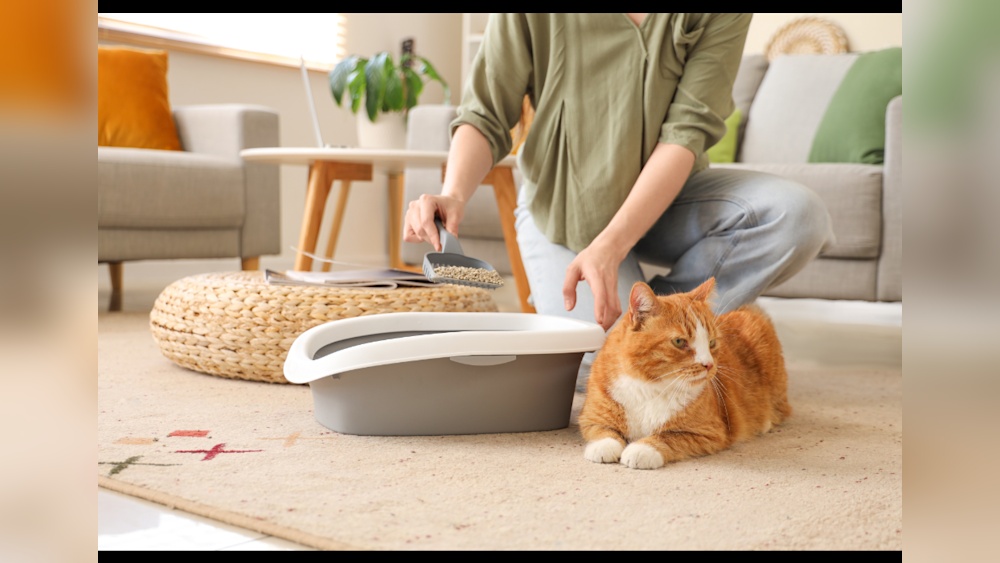
How to Train Cats to Use Litter Tray. Getting your cat to use a litter tray might seem tricky, but with the right approach, you can make it easy and stress-free for both of you. If you’ve ever worried about accidents around the house or wondered how to guide your furry friend to the right spot, this guide is for you.
You’ll discover simple, practical steps that work every time, helping your cat feel comfortable and confident using their litter tray. Keep reading, and you’ll soon enjoy a cleaner home and a happier pet.
Choosing The Right Litter Tray
How to Train Cats to Use Litter Tray. Choosing the right litter tray is a key step in training cats to use it. The right tray makes your cat feel safe and comfortable. It encourages good habits and keeps your home clean. Consider size, shape, and placement for the best results.
Size And Shape Matters
How to Train Cats to Use Litter Tray. The litter tray must be big enough for your cat to move freely. Small trays make cats feel cramped and uneasy. Taller sides help contain litter but should not block easy entry. Low sides suit kittens and older cats with mobility issues. Pick a tray that fits your cat’s size and age.
Types Of Litter Trays
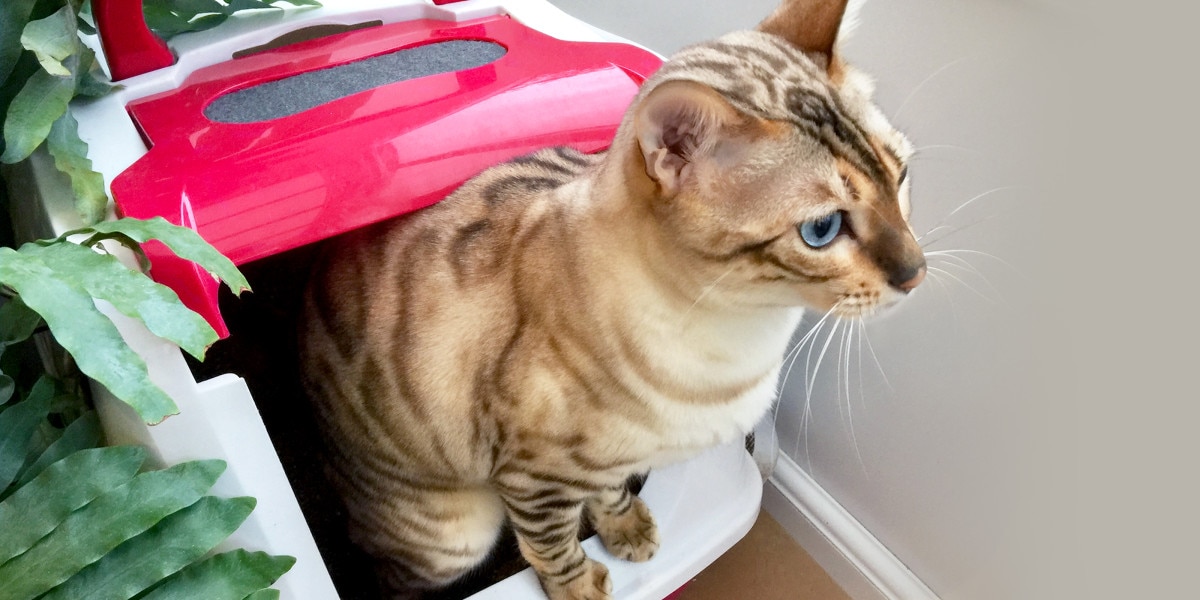
How to Train Cats to Use Litter Tray. There are open trays and covered trays. Open trays let cats see around and feel less trapped. Covered trays give privacy and reduce odors. Self-cleaning trays save time but may scare shy cats. Choose a style that fits your cat’s personality and your home.
Placement Tips
Place the litter tray in a quiet, low-traffic area. Avoid noisy spots near washing machines or busy hallways. Keep the tray away from your cat’s food and water bowls. Make sure the spot is easy for your cat to reach. Cleanliness matters, so place it where you can easily scoop daily.
Selecting The Best Litter
Selecting the best litter for your cat is important for successful litter training. The right litter can make your cat feel comfortable and encourage good habits. It also helps keep your home clean and fresh. Understanding different types of litter helps you choose the best one for your cat’s needs.
Common Litter Materials
How to Train Cats to Use Litter Tray. There are several common materials used in cat litter. Clay litter is popular because it absorbs moisture well. Silica gel crystals control odor and dry waste quickly. Natural litters use materials like corn, wheat, or pine. These are eco-friendly and biodegradable. Each material has its own benefits and drawbacks. Choose one that suits your cat’s preferences and your cleaning routine.
Scented Vs Unscented
Scented litters mask odors with fragrances. Some cats dislike strong smells and avoid using scented litter. Unscented litter is plain and controls odor naturally. It is safer for sensitive cats and those with allergies. Observe your cat’s reaction to scents. Many cats prefer unscented litter for comfort and cleanliness.
Clumping Vs Non-clumping
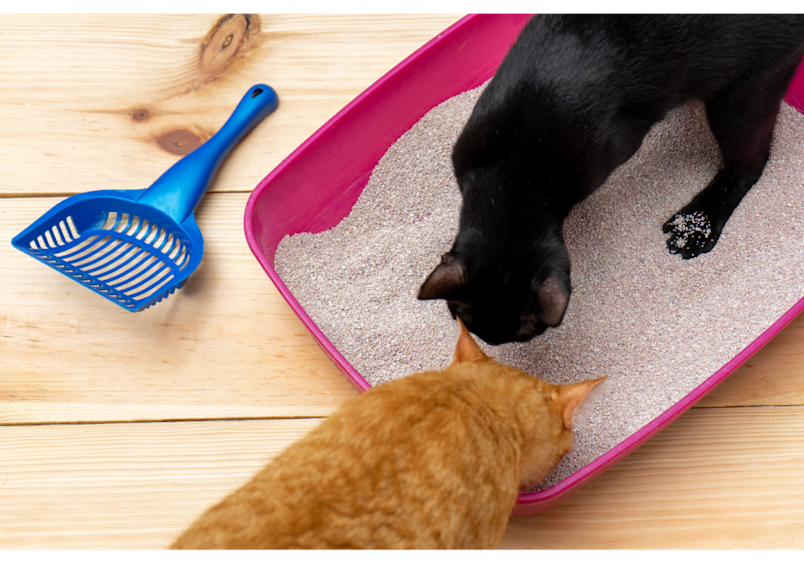
Clumping litter forms solid clumps when wet. It makes cleaning easier and keeps the tray fresh. Non-clumping litter absorbs moisture but does not form clumps. It requires more frequent changing. Clumping litter is often preferred for convenience. Choose based on your cleaning habits and your cat’s comfort.
Introducing Your Cat To The Tray
How to Train Cats to Use Litter Tray. Introducing your cat to the litter tray is the first step in successful training. Cats need time to understand what the tray is for. Patience and gentle guidance help them learn quickly. Start by making the tray inviting and easy to find. Create a calm space where your cat feels safe to explore.
Initial Familiarization
Place the litter tray in a quiet, accessible spot. Let your cat see and smell the tray without pressure. Avoid forcing them inside. Allow your cat to approach the tray at their own pace. This builds positive associations with the tray.
Encouraging Exploration
Gently guide your cat towards the tray after meals or naps. Use soft voices or gentle pats near the tray. You can place your cat in the tray briefly to show its purpose. Reward any interest shown with praise or treats. Exploration helps your cat understand the tray’s role.
Handling Hesitation
Some cats may be unsure or scared of the tray. Do not punish or scold. Instead, clear any litter that smells strong or unpleasant. Try a different type of litter if needed. Keep the tray clean and odor-free. Patience and calmness reduce your cat’s hesitation.
Establishing A Routine
Establishing a routine is key to training cats to use a litter tray. Cats thrive on consistency. A steady routine helps them understand where and when to go. It reduces accidents and builds good habits. Keep the routine simple and steady.
Timing And Frequency
Place your cat in the litter tray after meals and naps. Cats often need to go shortly after eating or waking up. Take them to the tray every two to three hours at first. Watch for signs like sniffing or scratching. These may mean they want to go.
Positive Reinforcement
Praise your cat when it uses the tray. Use gentle words and soft petting. Offer a small treat as a reward. Never punish accidents. Punishment can scare your cat and slow training. Positive feedback makes your cat want to repeat good behavior.
Cleaning Schedule
Keep the litter tray clean at all times. Scoop waste daily to avoid bad smells. Wash the tray with mild soap once a week. Cats dislike dirty trays and may avoid them. A clean tray encourages regular use and comfort.
Managing Common Issues
Training cats to use a litter tray can face some common challenges. Managing these issues early helps keep your home clean and your cat happy. Understanding why problems happen is the first step to solving them.
Avoiding Accidents
Accidents happen with cats new to a litter tray. Place the tray in a quiet, easy-to-access spot. Clean any accidents quickly using odor removers. This stops your cat from returning to the same wrong place. Keep the tray clean by scooping daily. A clean tray invites your cat to use it more often.
Dealing With Fear Or Anxiety
Some cats fear the litter tray or the area around it. Loud noises or busy places can cause this fear. Choose a calm, safe spot for the tray. Use gentle praise when your cat uses the tray. Avoid punishment. Patience and calmness help your cat feel safe and build trust.
Addressing Litter Aversion
Not all cats like the same type of litter. Some dislike strong smells or rough textures. Try different kinds of litter to find the one your cat prefers. Avoid scented litters if your cat seems bothered. Watch your cat’s behavior and change the litter if needed. Comfort makes your cat more willing to use the tray.
Training Tips For Kittens
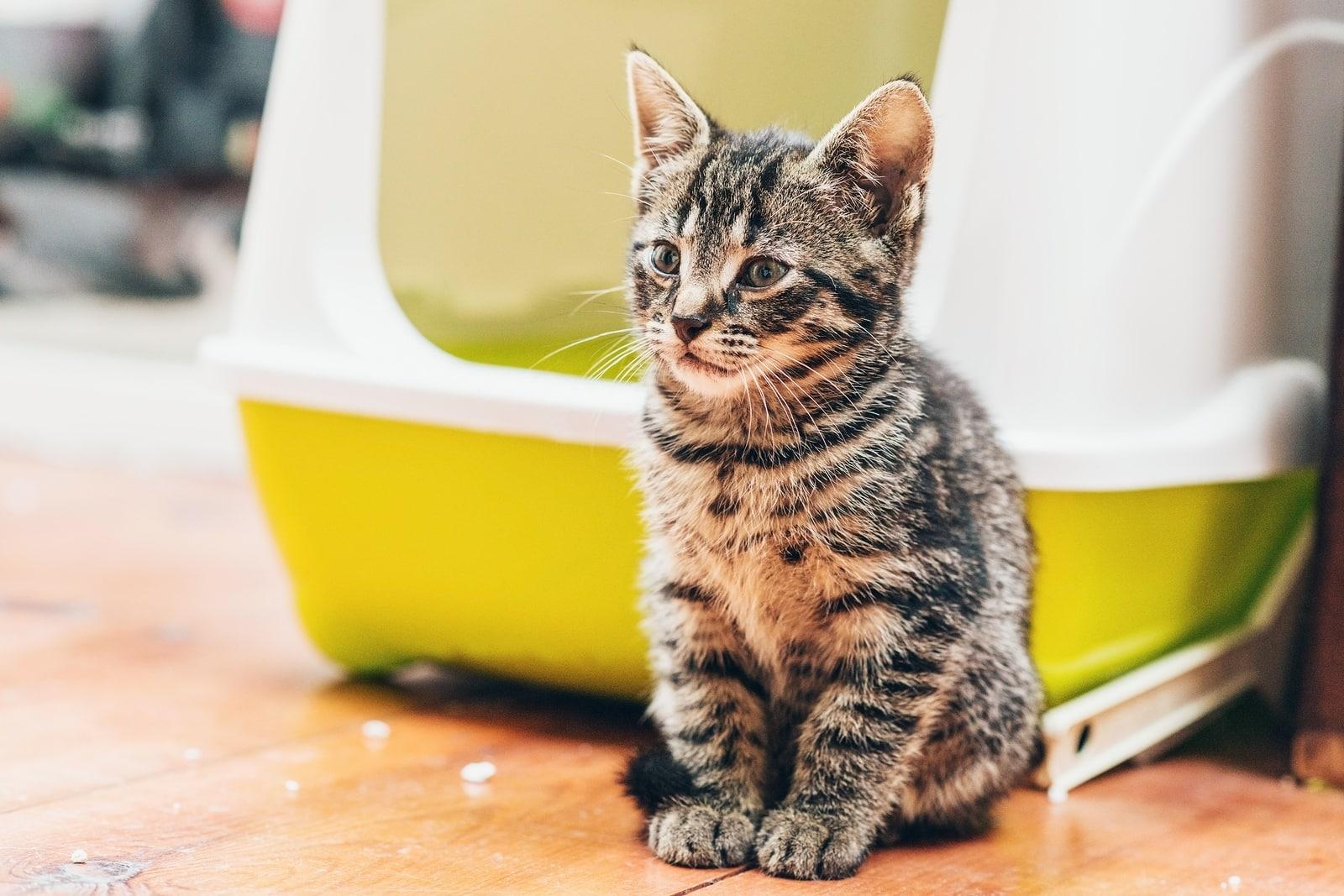
Training kittens to use a litter tray is easier when started early. Young cats learn habits quickly. Good training sets the stage for a clean home and happy pet.
Simple steps and gentle guidance help kittens understand where to go. Patience and rewards make the process smooth. This section offers clear tips to guide you.
Early Training Steps
Place the litter tray in a quiet, easy-to-reach spot. Show the kitten where it is. Gently place your kitten in the tray after meals and naps. Kittens often need to go at these times. Keep the tray clean to encourage use. Avoid moving the tray too often.
Patience And Consistency
Expect accidents. Kittens are learning and need time. Stay calm and do not punish. Use the same words or sounds to guide them. Regularly place your kitten in the tray. Consistent routines help build good habits. Praise gently when they use the tray correctly.
Using Rewards Effectively
Offer small treats or soft praise after each success. Rewards help kittens connect good behavior with positive feelings. Avoid overfeeding treats to keep your kitten healthy. Use a calm tone and pet your kitten gently. This encourages them to repeat the behavior.
When To Seek Professional Help
Training cats to use a litter tray works well most times. But some cats may have trouble using it properly. This can be frustrating for pet owners. Knowing when to seek professional help is important. It can make a big difference in solving the problem quickly.
Behavioral Concerns
Cats may stop using the litter tray due to stress or fear. Changes in the home or loud noises can cause this behavior. Some cats avoid the tray because of bad experiences. Aggression or marking territory outside the tray also shows behavioral issues. A cat behaviorist can help find the cause. They can teach ways to encourage good litter habits again.
Health-related Issues
Health problems often cause litter tray problems. Urinary tract infections make cats avoid the tray. Arthritis or pain can make it hard for cats to enter or exit. Digestive issues might cause accidents outside the tray. If your cat suddenly stops using the tray, check for illness. A vet can diagnose and treat these health problems. Early care prevents bigger issues later.
Consulting A Vet Or Trainer
Professionals offer advice suited to your cat’s needs. Vets check for health problems that affect litter use. Trainers address behavioral problems with proven methods. Both can guide you on litter tray setup and cleaning. They can also suggest the best litter type for your cat. Trusting experts saves time and reduces stress for your pet.
Frequently Asked Questions
How Long Does It Take To Train Cats To Use Litter Tray?
Training cats usually takes one to two weeks with consistent effort. Patience and positive reinforcement speed up learning. Every cat learns at its own pace, so stay calm and encouraging.
What Type Of Litter Tray Is Best For Cats?
A shallow, easy-to-access litter tray with high sides works best. Choose one large enough for your cat to turn around comfortably. Non-toxic, clumping litter helps maintain cleanliness and encourages use.
How Often Should I Clean My Cat’s Litter Tray?
Clean the litter tray daily by scooping out waste. Fully replace litter and wash the tray weekly to prevent odor. Regular cleaning keeps cats comfortable and encourages consistent use.
Can Kittens Be Trained To Use A Litter Tray?
Yes, kittens can learn to use a litter tray from about 3-4 weeks old. Place them in the tray after meals and naps to build habits. Early training fosters lifelong good litter habits.
Conclusion
Training cats to use a litter tray takes time and patience. Keep the tray clean and in a quiet spot. Praise your cat gently when it uses the tray. Watch for signs if your cat needs help. Small steps lead to good habits.
Stay calm and consistent every day. Soon, your cat will feel comfortable and confident. A happy cat means a happy home. Simple care makes a big difference.


