
If you’ve noticed your dog pooping blood but still acting normal, it can be confusing and worrying. You might wonder if this is a serious problem or something minor.
Your dog isn’t showing pain or discomfort, so why is there blood? Understanding what’s causing this and what you should do next is important for your pet’s health. Keep reading to learn the key signs to watch for, possible reasons behind the bleeding, and how to help your furry friend feel better fast.

Signs Of Blood In Dog Stool
Dog Pooping Blood But Acting Normal. Noticing blood in your dog’s stool can be alarming. Understanding the signs helps you act quickly. Blood in stool may look different depending on the cause. Watch closely to spot changes early.
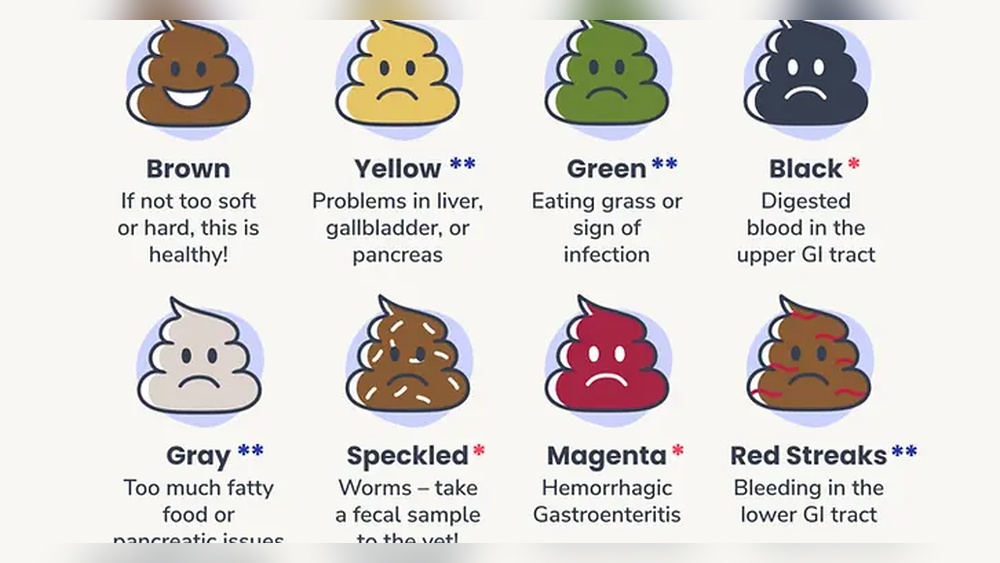
Bright Red Vs. Dark Blood
Bright red blood usually means bleeding in the lower digestive tract. This could be from the rectum or colon. Dark, tarry blood points to bleeding higher in the stomach or small intestine. The color helps identify where the problem is.
Frequency And Amount
One small spot of blood might not be urgent. Repeated blood in stool needs attention. Large amounts of blood, even once, require quick care. Track how often and how much blood appears each time.
Other Accompanying Symptoms
Dog Pooping Blood But Acting Normal. Blood in stool alone is not the whole story. Watch for changes in appetite or energy. Diarrhea, vomiting, or straining to poop are important signs. These symptoms together suggest a need for vet help.

Common Causes Of Blood In Stool
Blood in a dog’s stool can worry any pet owner. Sometimes, dogs act normal despite this sign. Understanding common causes helps to know when to seek help. Blood may appear due to many reasons, from mild to serious.
Dietary Issues And Allergies
Food changes can upset a dog’s stomach. Some dogs react to new ingredients or treats. Allergies to certain foods cause irritation and bleeding. Poor-quality food may also lead to digestive problems. Keeping a consistent diet helps prevent this issue.
Parasites And Infections
Worms like hookworms or whipworms can cause blood in stool. Bacterial infections can inflame the intestines. These parasites and germs damage the gut lining. This damage results in bleeding and discomfort. Regular deworming and vet checks reduce risks.
Injury Or Trauma
Sharp objects or hard stools can injure the digestive tract. Sometimes, a dog may swallow something harmful. This causes cuts or bruises inside the intestines. Even rough play can lead to small injuries. Injuries often cause fresh, bright red blood.
Inflammatory Bowel Disease
This chronic condition causes inflammation in the gut. It leads to irritation and bleeding over time. Dogs may have diarrhea mixed with blood. The cause is not fully understood. Treatment focuses on managing symptoms and diet.
Tumors And Polyps
Growths in the intestines can bleed. Tumors may be benign or cancerous. They often cause blood in the stool without other symptoms. Early detection improves treatment success. Vet exams and tests are important for diagnosis.
Why Dogs Act Normal Despite Bleeding
Dogs can show normal behavior even when they poop blood. This can confuse many pet owners. Dogs hide pain well. Their natural instinct is to act strong. This helps them avoid looking weak to other animals. Because of this, dogs might not show signs of illness right away.
Understanding why dogs act normal despite bleeding helps you respond better. It is important to know the difference between mild and severe conditions. Also, knowing about pain tolerance in dogs helps explain their behavior. Watching for subtle changes in behavior is key to spotting problems early.
Mild Vs. Severe Conditions
Some causes of blood in stool are mild and not urgent. Minor irritations or small tears in the anus often cause mild bleeding. Dogs feel little pain and act normal.
Severe conditions include infections, parasites, or serious injuries. These cause more blood and discomfort. Dogs may still hide pain and act normal at first. But symptoms worsen over time without treatment.
Pain Tolerance In Dogs
Dogs have a high pain tolerance. They can endure pain without showing it. This is part of their survival instinct.
Because of this, dogs may not cry or limp even when hurt. They try to keep their usual behavior to avoid attention.
Behavioral Signs To Watch
Look for subtle signs like less energy or less appetite. Changes in bathroom habits or licking their rear often show discomfort. Restlessness or hiding can also be signs.
These clues help identify if the bleeding is serious. Early detection leads to better care and quicker recovery.
When To Seek Veterinary Care
Noticing blood in your dog’s stool can be alarming. Sometimes, your dog may seem normal despite this sign. Knowing when to seek veterinary care is important to keep your pet safe. Early action can prevent serious health issues.
Urgent Symptoms
Look for signs like weakness or pale gums. Vomiting or diarrhea with blood needs quick attention. If your dog stops eating or drinking, call the vet. Sudden changes in behavior or severe pain are warning signs. These symptoms require prompt veterinary care.
Diagnostic Tests
The vet may run blood tests to check for infections. Stool analysis helps find parasites or bacteria. X-rays or ultrasound can spot blockages or tumors. These tests guide the vet in choosing the right treatment. Early diagnosis improves the chances of recovery.
Emergency Situations
Heavy bleeding or continuous bloody stool is an emergency. If your dog collapses or has trouble breathing, seek help fast. Severe dehydration from diarrhea or vomiting can be life-threatening. Emergency care stabilizes your dog and stops the bleeding. Do not wait to get veterinary help in these cases.
Treatment Options For Blood In Stool
Dog Pooping Blood But Acting Normal. Seeing your dog poop blood but act normal can worry any pet owner. Treatment depends on the cause of bleeding. Early care helps prevent serious problems. Vets use different methods to treat blood in stool. Each approach targets specific issues.
Medications And Supplements
Vets often prescribe medicines to stop bleeding. Antibiotics treat infections causing blood in stool. Anti-inflammatory drugs reduce gut swelling. Supplements like probiotics support healthy digestion. These help restore your dog’s gut balance. Always follow the vet’s dosage instructions carefully.
Dietary Changes
Diet plays a key role in healing. Special diets with easy-to-digest foods reduce irritation. Limited-ingredient diets avoid allergens causing gut problems. High-fiber diets improve bowel movements. Fresh water helps flush out toxins. Consistent feeding times support gut health.
Parasite Control
Parasites often cause bloody stool. Deworming medicines kill worms and parasites. Regular parasite checks prevent reinfection. Clean living areas reduce parasite exposure. Follow vet advice on parasite prevention schedules. This keeps your dog safe and healthy.
Surgical Interventions
Dog Pooping Blood But Acting Normal. Surgery may be needed for serious cases. Tumors or blockages causing bleeding may require removal. Vets perform surgery to fix injuries inside the gut. Post-surgery care includes rest and medicines. Early surgery improves recovery chances.

Preventing Recurrence
Preventing the return of blood in your dog’s stool is important for their health. Careful steps help keep your pet safe and comfortable. Pay attention to daily habits and care routines. These small changes can reduce health risks and improve your dog’s life.
Regular Vet Checkups
Visit the vet often to catch problems early. Routine exams help spot issues before they become serious. The vet can suggest tests to check your dog’s health. Early treatment can stop bleeding from coming back.
Proper Diet And Hydration
Feed your dog healthy, balanced food every day. Avoid foods that upset their stomach or cause allergies. Fresh water must always be available. Good diet and hydration keep the digestive system strong and clean.
Safe Environment
Keep your home and yard free from harmful objects. Sharp items or toxic plants can cause injury or illness. Check your dog’s play area regularly. A safe space lowers the chance of accidents and health problems.
Home Care Tips
Noticing blood in your dog’s stool can be alarming, even if your pet seems normal. Home care plays a key role in managing this issue safely. Simple steps at home can help you keep track of your dog’s health and comfort. Stay calm and watch closely.
Monitoring Stool And Behavior
Check your dog’s stool every day. Note the color, amount of blood, and consistency. Look for changes in frequency or shape. Watch your dog’s behavior too. See if they act tired, lose appetite, or show pain. Keep a daily log. It helps spot patterns and share details with your vet.
Hydration And Comfort
Make sure your dog drinks enough water. Hydration helps flush out toxins and supports healing. Provide a quiet and cozy space to rest. Avoid stressful situations. Soft bedding and a calm environment ease discomfort. Offer small, bland meals like boiled chicken and rice to avoid stomach upset.
When To Revisit The Vet
Return to the vet if bleeding worsens or lasts more than two days. Seek help if your dog shows weakness, vomiting, or difficulty breathing. Immediate care is needed for these signs. Regular vet checks ensure proper diagnosis and treatment. Don’t wait if you feel something is wrong.
Frequently Asked Questions
Why Is My Dog Pooping Blood But Acting Normal?
Blood in your dog’s stool can indicate minor issues or serious conditions. Normal behavior might hide internal problems like infections, parasites, or allergies. Immediate vet consultation is essential to diagnose and treat the cause effectively.
Can Stress Cause Dogs To Poop Blood With Normal Behavior?
Stress can affect a dog’s digestive system and cause blood in stool. However, stress alone rarely causes bleeding. If your dog poops blood, a vet check is necessary to rule out infections or injuries.
When Should I Worry If My Dog Poops Blood?
Worry if bleeding persists, increases, or is accompanied by vomiting, lethargy, or loss of appetite. Immediate veterinary care is needed to prevent complications and identify the underlying cause.
What Are Common Causes Of Bloody Stools In Healthy-acting Dogs?
Common causes include parasites, dietary changes, anal gland issues, infections, or minor injuries. Even if your dog seems fine, blood in stool signals a health concern needing vet evaluation.
Conclusion
Seeing blood in your dog’s poop is worrying, even if they act normal. This issue needs quick attention to avoid serious problems. Watch your dog closely for any changes in behavior or appetite. Visit a vet to find the cause and get proper treatment.
Early care helps your dog stay healthy and happy. Don’t wait or ignore the signs. Your dog depends on you to keep them safe and well. Stay alert and act fast for the best outcome.


