
How Long Do You Boil Corn on the Cob.Are you wondering how long you should boil corn on the cob to get it just right? Boiling corn might seem simple, but the timing can make all the difference between crunchy, sweet kernels and soggy, overcooked corn.
You want your corn to be juicy, tender, and full of flavor every time you cook it. Keep reading, and you’ll discover the perfect boiling time that will make your corn on the cob taste amazing, whether it’s for a quick weeknight dinner or a summer barbecue with friends.
Let’s get your corn cooking skills to the next level!
Choosing Fresh Corn
How Long Do You Boil Corn on the Cob.Choosing fresh corn makes a big difference in taste and texture. Fresh corn cooks faster and tastes sweeter. It is important to pick the best ears for boiling.
Fresh corn has bright green husks and plump kernels. Avoid corn that looks dry or has brown spots. Freshness affects how long you boil the corn and the final flavor.
Selecting The Best Ears
How Long Do You Boil Corn on the Cob.Pick ears with tight, green husks. The husk should feel moist and not dry. Look for ears that feel heavy for their size. Heavy ears usually have more juice and sweetness.
Check the silk at the top. It should be golden or light brown and sticky. Dry or black silk means the corn is old. Avoid ears with gaps or missing kernels.
Checking For Freshness
Peel back a little of the husk to see the kernels. They should be shiny and full. Press a kernel gently; it should release a milky liquid. This means the corn is fresh and sweet.
Smell the corn. It should have a sweet, fresh scent. A sour or moldy smell means the corn is bad. Fresh corn will give you the best results when boiled.
Preparing Corn For Boiling
How Long Do You Boil Corn on the Cob.Preparing corn for boiling is a simple process that improves taste and texture. Clean corn cooks evenly and tastes fresher. Take time to prepare it well for the best results.
Start with fresh corn and follow easy steps to get it ready before boiling.
Removing Husks And Silk
First, peel off the green husks from the corn. Pull them down gently but firmly. Remove all the silky threads stuck to the kernels. Use your hands to rub the silk away. Removing silk prevents chewy bits in your boiled corn.
Rinsing Corn Properly
How Long Do You Boil Corn on the Cob.After husks and silk are gone, rinse the corn under cold water. This washes away any leftover silk and dirt. Hold the corn under running water and turn it slowly. Clean corn cooks better and tastes cleaner.
Boiling Basics
Boiling corn on the cob is a simple way to cook it. The process needs a few basic steps. These steps make sure your corn is tender and tasty. Understanding these basics helps you boil corn perfectly every time.
Start with the right tools and pay attention to water temperature. These small details change the cooking result a lot. Let’s break down the essentials for boiling corn on the cob.
Setting Up The Pot
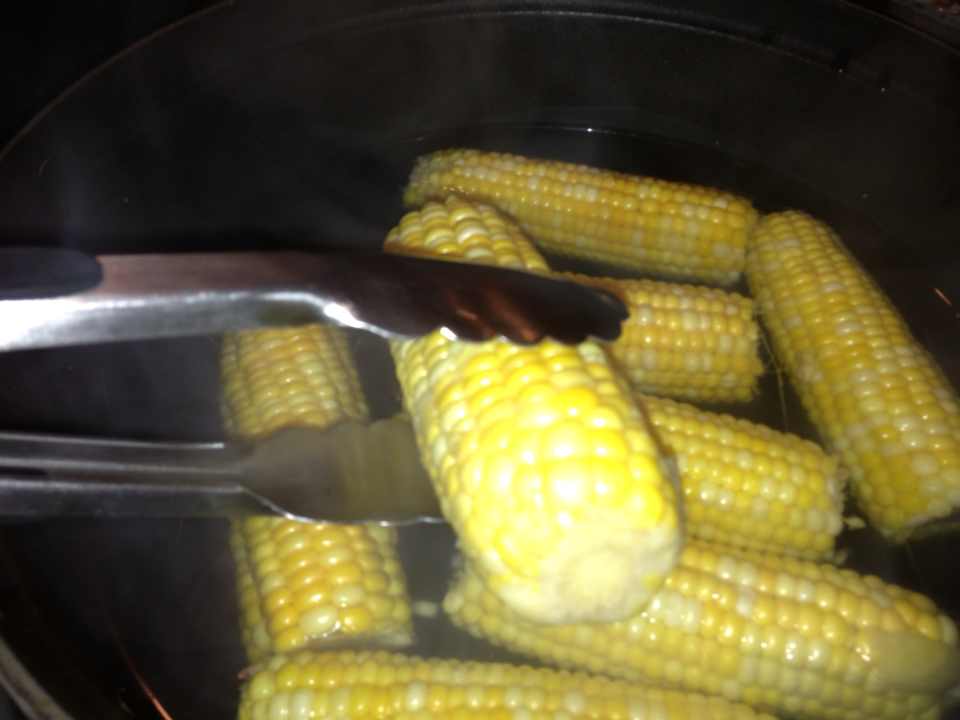
How Long Do You Boil Corn on the Cob.Choose a large pot that fits all corn pieces comfortably. Fill it with enough water to cover the corn fully. Use cold water to start. This helps heat the corn evenly. Place the pot on the stove and prepare to bring the water to a boil.
Water Temperature Tips
Wait until the water reaches a rolling boil before adding corn. A rolling boil means bubbles are moving fast and steady. Adding corn too early can make it cook unevenly. Keep the water boiling while corn cooks. This keeps the corn tender and juicy. Avoid boiling too long to prevent mushy corn.
Optimal Boiling Time
Boiling corn on the cob is simple but requires the right timing. The optimal boiling time ensures the corn stays juicy and tender. Overcooking makes the kernels tough and chewy. Under-cooking leaves them hard and starchy. Knowing the perfect boiling time helps you enjoy corn at its best.
Timing For Tender Corn
How Long Do You Boil Corn on the Cob.Boil corn for about 4 to 6 minutes. This range softens the kernels but keeps them firm. Fresh corn may need less time. Older corn might take a little longer. Watch the color change to bright yellow. This shows the corn is cooked just right.
Adjusting For Corn Size And Freshness
Small ears cook faster than large ones. Thin corn may need only 3 minutes. Thick corn needs up to 7 minutes. Fresh corn cooks faster because it holds more moisture. Older corn requires more time to soften. Check the corn often to avoid overcooking.
Testing Corn Doneness
Testing corn doneness is key to perfect corn on the cob. Boiling times vary, so checking helps avoid overcooking. Simple tests ensure your corn tastes fresh and sweet. Use your eyes and taste buds for the best results.
Visual Cues
Look for bright yellow kernels. They should appear plump and shiny. The silk at the top usually darkens and loosens. The husk may start to peel back slightly. These signs show the corn is close to done.
Texture And Taste Checks
Use a fork or knife to pierce a kernel. It should feel tender but still firm. Avoid kernels that are too soft or mushy. Taste a kernel to check sweetness and juiciness. Perfect corn is crisp, juicy, and flavorful.
Enhancing Flavor While Boiling
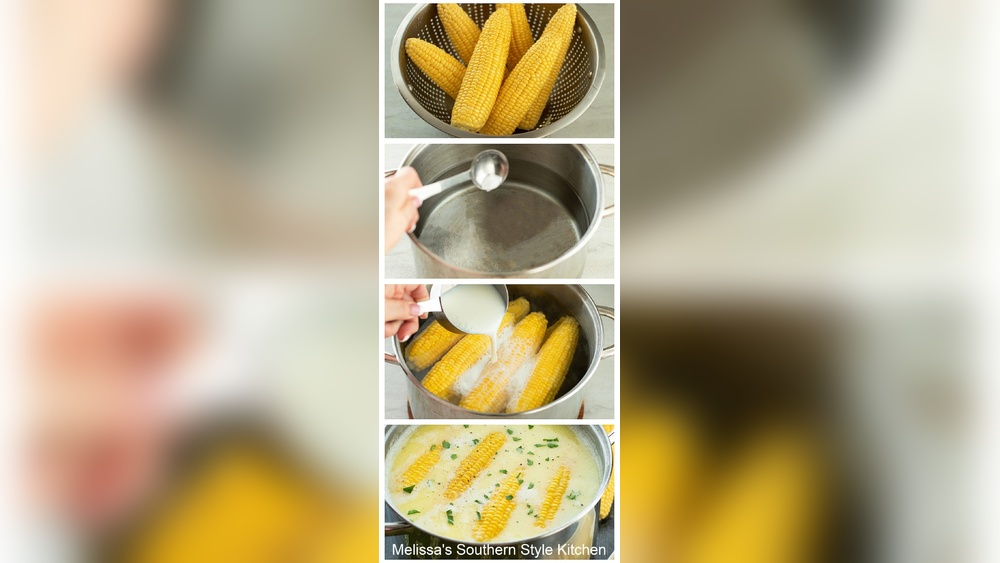
Boiling corn on the cob is simple, but adding flavor during boiling takes it up a notch. The water you boil corn in can do more than cook it. It can add taste and aroma. Small changes in the boiling water create a big difference in how the corn tastes. Fresh, tasty corn starts in the pot.
Adding Salt Or Sugar
Salt helps bring out the corn’s natural sweetness. Add a pinch of salt to the boiling water. It makes the kernels pop with flavor. A little sugar in the water can also make corn taste sweeter. Use about one tablespoon of sugar for every quart of water. Both salt and sugar help keep the corn juicy and tender.
Using Herbs And Spices
Herbs and spices add a fresh twist to boiled corn. Try adding a few sprigs of thyme or rosemary to the pot. Bay leaves also give a nice aroma. Spices like black peppercorns or a small piece of cinnamon stick add mild warmth. These ingredients soak into the corn during boiling. The flavor is subtle but noticeable and makes the corn more interesting.
Alternative Cooking Methods
Boiling corn on the cob is a popular way to cook it, but there are other simple methods to try. These alternative ways can bring out different flavors and textures in the corn. They also offer easy options if you do not want to boil.
Steaming Corn
Steaming corn keeps it tender and juicy. Place the corn in a steamer basket over boiling water. Cover and steam for about 6 to 8 minutes. The corn will stay sweet and fresh. Steaming uses less water and keeps more nutrients in the corn.
Grilling Corn On The Cob
Grilling adds a smoky flavor to the corn. Preheat the grill to medium-high heat. Place corn with husks on the grill and cook for 15 to 20 minutes. Turn the corn every 5 minutes for even cooking. The husks protect the kernels and give a nice char. Grilled corn is perfect for summer cookouts.
Serving Suggestions
Boiled corn on the cob tastes best with the right serving ideas. Simple or creative toppings make it even better. These suggestions bring out the sweet and fresh flavors of the corn. Enjoy your corn with these easy and tasty options.
Butter And Seasoning Ideas
Butter is a classic topping for corn on the cob. Spread soft butter while the corn is hot. It melts and adds rich flavor. Sprinkle salt for a simple, tasty touch. Try pepper or garlic powder for a small twist. Chili powder or paprika adds mild heat and color. Fresh herbs like parsley or cilantro give fresh taste. A squeeze of lime juice brightens the flavor.
Creative Toppings
Cheese lovers enjoy grated Parmesan or crumbled feta on corn. A drizzle of honey or maple syrup brings a sweet note. Mix mayo with lime juice and chili powder for a creamy sauce. Crushed nuts add crunch and a nutty taste. Try salsa or guacamole on top for a Mexican flair. Toasted coconut flakes add a tropical twist. These toppings make corn fun and exciting to eat.
Frequently Asked Questions
How Long Should You Boil Fresh Corn On The Cob?
Boil fresh corn on the cob for 4 to 6 minutes. This time ensures the kernels are tender and juicy without overcooking. Start timing once the water returns to a boil after adding the corn.
Does Boiling Time Change For Frozen Corn On The Cob?
Yes, frozen corn on the cob usually requires 6 to 8 minutes of boiling. This extra time helps thaw and cook the kernels evenly. Avoid boiling longer to prevent mushy texture.
Can Overboiling Corn On The Cob Affect Taste?
Overboiling corn can make it tough and less sweet. Boiling too long causes loss of natural sugars and nutrients. Stick to recommended times for best flavor and texture.
Should You Add Salt To Boiling Water For Corn?
Avoid adding salt to boiling water, as it can toughen the corn kernels. Instead, season corn after boiling with butter, salt, or spices for better taste.
Conclusion
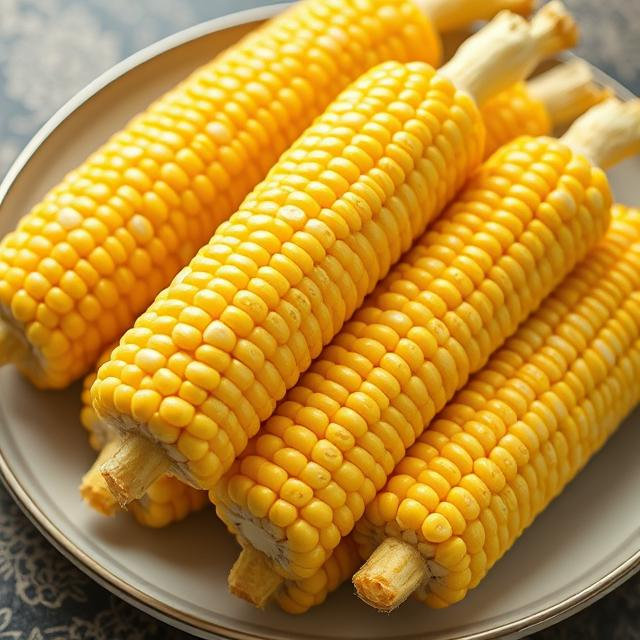
Boiling corn on the cob takes just a few minutes. Usually, 4 to 6 minutes is enough to cook it well. Overcooking can make corn tough and less sweet. Fresh corn cooks faster and tastes better. Try to watch the time carefully for juicy, tender corn.
Serve it hot with your favorite toppings. Enjoy simple, delicious corn anytime you want. Cooking corn is easy and fast. Perfect for a quick snack or meal.


