
How to Make Humming Bird Food.If you love watching hummingbirds darting around your garden, you already know how magical these tiny birds can be. But did you know you can attract even more of them by making your own hummingbird food?
It’s simple, safe, and costs just a few ingredients you probably already have at home. In this guide, you’ll learn exactly how to make the perfect hummingbird nectar that keeps these colorful visitors coming back again and again. Ready to become your garden’s favorite spot for hummingbirds?
Let’s get started!

Ingredients For Hummingbird Food
How to Make Humming Bird Food.Creating hummingbird food at home is simple and safe with the right ingredients. The mixture should mimic natural nectar. Only a few basic items are needed. Choosing good ingredients helps keep hummingbirds healthy and happy.
Choosing The Right Sugar
Use plain white granulated sugar. It dissolves easily and is safe for birds. Avoid honey, brown sugar, or artificial sweeteners. These can harm hummingbirds or cause mold growth. The ideal ratio is four parts water to one part sugar.
Avoiding Harmful Additives
Do not add red dye or food coloring. These can be toxic to hummingbirds. Keep the recipe simple and pure. Avoid preservatives or any chemicals. Natural nectar is clear, so your food should be too.
Using Pure Water
Use clean, fresh water free from chemicals. Tap water with chlorine or fluoride can harm birds. Boil water to remove impurities and cool it before mixing sugar. Pure water helps keep the mixture safe and fresh longer.

Step-by-step Preparation
Preparing hummingbird food is simple and quick. Follow these clear steps to make fresh nectar at home. This nectar keeps hummingbirds healthy and happy. Use clean tools and fresh water for best results.
Measuring Ingredients Accurately
Use one part white granulated sugar to four parts water. For example, one cup sugar to four cups water. Avoid brown sugar, honey, or artificial sweeteners. Measure carefully to keep the right sweetness.
Mixing And Boiling Process
How to Make Humming Bird Food.Pour water into a pot and add sugar. Stir the mixture gently until sugar dissolves. Bring the mixture to a boil for one to two minutes. Boiling kills bacteria and helps dissolve sugar fully. Remove from heat and let it cool.
Cooling And Storing The Nectar
Let the nectar cool completely before use. Pour it into a clean feeder to avoid mold. Store extra nectar in the refrigerator for up to one week. Discard any unused nectar after seven days to keep hummingbirds safe.
Safety Tips For Hummingbird Feeders
Keeping hummingbird feeders safe is very important. Birds rely on clean food and water to stay healthy. Dirty feeders can cause sickness and harm their delicate bodies. Following safety tips helps protect these tiny visitors and keeps them coming back to your garden.
Cleaning Feeders Regularly
Clean feeders at least once a week. Use hot water and a mild soap to wash all parts. Rinse thoroughly to remove soap traces. This stops bacteria and germs from growing. Avoid using harsh chemicals that can harm birds.
Preventing Mold Growth
Mold grows quickly in sugary nectar. Change the nectar every two to three days, especially in warm weather. Check feeders daily for any signs of mold or cloudiness. Throw away any nectar that looks spoiled. Mold can make hummingbirds very sick.
Proper Feeder Placement
Place feeders in shaded areas to slow nectar spoilage. Avoid spots near windows to prevent bird collisions. Keep feeders away from areas with strong wind or heavy rain. Make sure feeders are easy to reach for cleaning. Safe placement protects hummingbirds and keeps feeders in good condition.
Natural Alternatives To Sugar
How to Make Humming Bird Food.Natural alternatives to sugar can seem like a good idea for making hummingbird food. Many want to use something healthier or more natural than plain white sugar. But not all substitutes work well for hummingbirds. Some can even harm them.
Choosing the right sweetener is important for the birds’ health. Below are some common natural options and their effects.
Using Honey And Its Risks
Honey is natural and sweet. It looks like a good choice for hummingbird nectar. But honey can cause problems. It may contain bacteria that harm birds. These bacteria grow fast in warm nectar. This can lead to illness in hummingbirds.
Honey also ferments quickly. This changes the taste and smell of the nectar. Birds may avoid it. It is safer to avoid honey in hummingbird food.
Agave Syrup And Other Options
Agave syrup is another natural sweetener. It is sweeter than sugar and dissolves well. But it is not a good choice for hummingbirds. Agave lacks the right nutrients birds need. It can upset their digestion.
Other options like maple syrup or fruit juices also do not work well. They can ferment or spoil quickly. This creates unsafe nectar for hummingbirds.
When To Stick With Plain Sugar
Plain white sugar is the best choice for hummingbird food. It is easy to digest and safe. Use four parts water to one part sugar. Boil the mixture to kill germs.
This simple nectar keeps hummingbirds healthy. It mimics the natural sugar in flower nectar. Avoid artificial sweeteners and natural syrups. Plain sugar is the safest and most effective option.
Feeding Tips To Attract Hummingbirds
Attracting hummingbirds to your garden brings joy and lively colors. Feeding them properly helps keep them healthy and happy. Understanding the right tips makes your feeder a favorite spot.
Best Feeder Designs
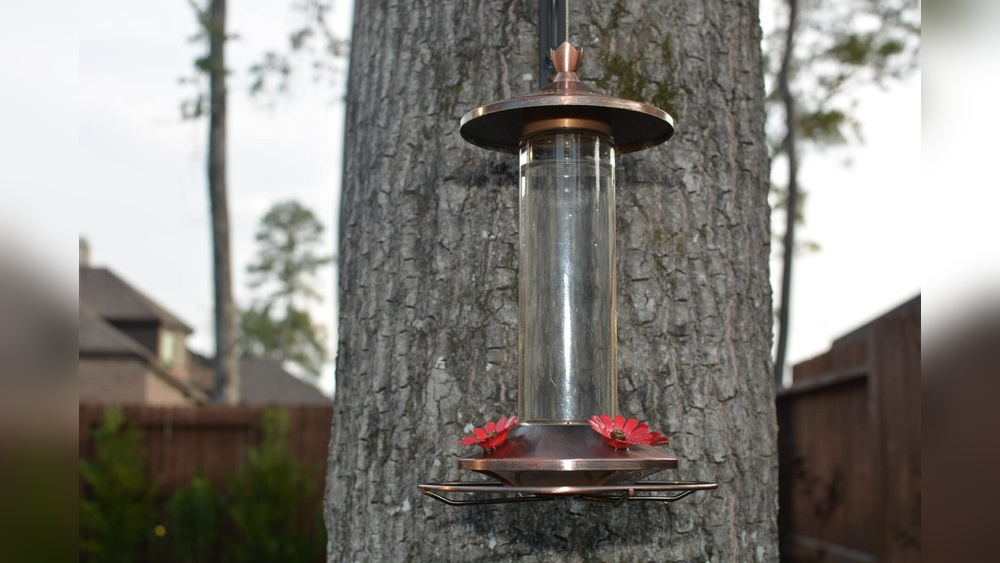
How to Make Humming Bird Food.Choose feeders with bright red parts. Hummingbirds see red easily and it draws them near. Feeders with multiple feeding ports allow more birds to eat at once. Clear containers help you check nectar levels quickly. Avoid feeders with yellow parts; they attract bees and wasps instead.
Seasonal Feeding Guidelines
Feed hummingbirds from early spring to late fall. During migration, provide extra nectar for their long flights. In winter, feeding helps in warmer areas where hummingbirds stay. Clean feeders every three days to prevent mold and bacteria. Use fresh nectar to keep birds safe and healthy.
Encouraging Local Hummingbirds
Plant native flowers with red or orange blooms near feeders. These flowers provide natural food sources and shelter. Avoid using pesticides in your garden to protect hummingbirds. Place feeders in shaded spots to keep nectar fresh longer. Be patient; birds may take time to find your feeder.
Frequently Asked Questions
What Ingredients Make The Best Hummingbird Food?
The best hummingbird food is a simple mixture of four parts water and one part white granulated sugar. Avoid using honey, artificial sweeteners, or red dye. Boil the water to dissolve sugar, then cool before filling the feeder. This recipe closely mimics natural nectar.
How Often Should I Change Hummingbird Food?
Change hummingbird food every 3 to 5 days, or sooner in hot weather. Fresh nectar prevents fermentation and mold growth, which can harm birds. Clean the feeder thoroughly with hot water before refilling to ensure a safe feeding environment.
Can I Use Honey Or Artificial Sweeteners For Hummingbirds?
No, honey and artificial sweeteners are harmful to hummingbirds. Honey can promote harmful bacteria growth. Artificial sweeteners lack nutritional value. Stick to plain white sugar dissolved in water for safe and healthy hummingbird food.
Why Is Red Dye Not Recommended In Hummingbird Food?
Red dye is unnecessary and potentially toxic to hummingbirds. Most feeders have red parts to attract them naturally. Using plain sugar water without dye keeps the food safe and healthy, ensuring birds are not exposed to harmful chemicals.
Conclusion
Making hummingbird food is simple and safe with just two ingredients. Use clean water and sugar, avoiding anything else. Boil the mixture to keep it fresh longer. Let it cool before filling the feeder. Change the food every few days to stop mold.
This helps keep hummingbirds healthy and happy. Enjoy watching these tiny birds visit your garden often. You can easily support nature with this easy recipe. Try it today and bring more life to your outdoor space.


