
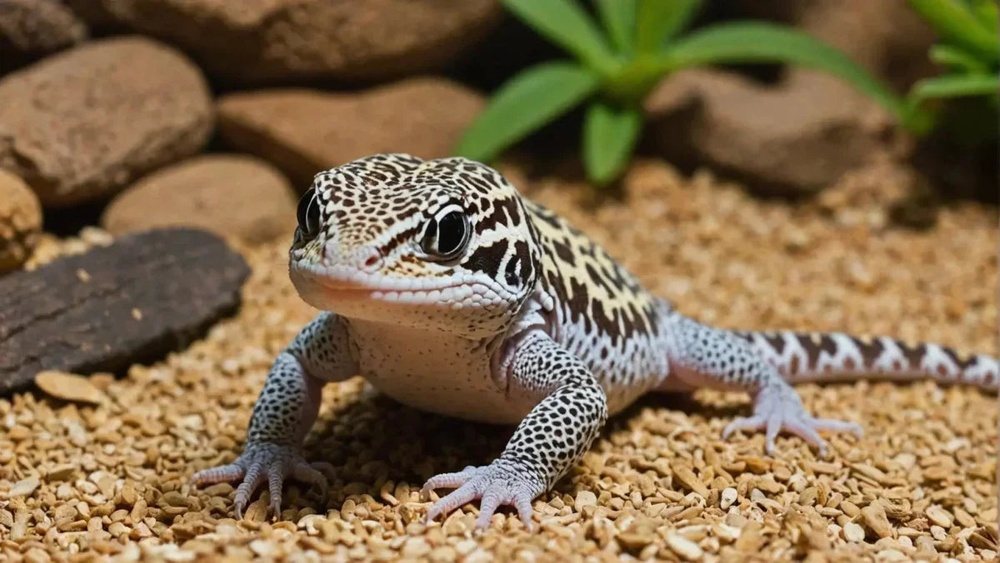
Choosing the best substrate for your leopard gecko can make a huge difference in their health and happiness. You want something safe, comfortable, and easy to clean, but with so many options out there, it’s easy to feel overwhelmed.
What if you pick the wrong one? That could lead to health problems for your gecko or extra work for you. Don’t worry—this guide will help you find the perfect substrate that meets all your needs. Keep reading to discover the top choices that will keep your leopard gecko thriving and your tank looking great.

Substrate Basics
Choosing the right substrate is key to your leopard gecko’s health. Substrate means the material lining the bottom of the terrarium. It helps keep the enclosure clean and comfortable. The right substrate supports natural behaviors like digging and hiding. It also affects humidity and temperature inside the tank.
Some substrates are safe and easy to clean. Others can cause health problems or stress your gecko. Understanding substrate basics helps you create a safe home for your pet. Let’s explore the importance of safe substrate and common types used for leopard geckos.
Importance Of Safe Substrate
Safe substrate protects your leopard gecko from injury and illness. Avoid materials that can cause impaction if swallowed. Impaction happens when substrate blocks the digestive system. It can be deadly. Dusty or sharp substrates can irritate the gecko’s skin and eyes. Choose substrates that are non-toxic and easy to clean. This keeps your pet healthy and happy.
Common Substrate Types
Paper towels are simple, clean, and safe for all geckos. They are easy to replace and low cost. Reptile carpet offers a soft surface but needs regular washing. Coconut fiber is natural and helps hold humidity well. Sand and loose substrates can look natural but carry risks of impaction. Slate tiles or ceramic tiles are safe and easy to clean. Each type has pros and cons. Pick one that fits your gecko’s needs and your care routine.
Top Safe Substrates
Choosing the right substrate for your leopard gecko is crucial for its health. Safe substrates prevent health problems and keep your pet comfortable. Here are some of the best safe options to consider.
Reptile Carpet
Reptile carpet is a popular choice among reptile owners. It is soft and easy to clean. This substrate reduces the risk of impaction, a common health issue. You can wash and reuse it many times. It also provides good traction for your gecko’s feet. Make sure to remove it regularly and wash it to avoid bacteria buildup.
Paper Towels And Newspaper
Paper towels and newspaper are simple and safe substrates. They are cheap and easy to replace. This option is perfect for young or sick geckos. It is also very hygienic since you change it often. Paper substrates do not cause impaction. However, they do not look natural but offer safety and cleanliness.
Ceramic And Slate Tiles
Ceramic and slate tiles create a natural look in the terrarium. They are easy to clean and do not trap moisture. These tiles help keep your gecko’s nails trimmed naturally. Tiles do not hold bacteria or mold. They are heavy and stay in place well. This option is durable and safe for your pet.
Popular Natural Substrates
Natural substrates create a safe and comfortable home for leopard geckos. They mimic the gecko’s natural environment. Natural materials also help control humidity and allow digging behavior. Choosing the right natural substrate can improve your pet’s health and happiness.
Below are some popular natural substrates used by many gecko owners. Each has unique benefits and things to consider.
Coconut Fiber
Coconut fiber is soft and holds moisture well. It keeps the tank humid and feels natural for geckos. This substrate is easy to clean and does not smell bad. It also prevents injuries to the gecko’s skin. Coconut fiber is a great choice for creating a natural look.
Play Sand Mixes
Play sand mixes combine sand with other natural materials. These blends offer good drainage and a realistic desert feel. The texture is fine and safe for geckos to walk on. Play sand is easy to find and affordable. It helps maintain a dry environment, which suits leopard geckos well.
Calcium Sand Pros And Cons
Calcium sand adds extra calcium to your gecko’s diet. This can be good for their bones and overall health. It looks natural and is easy to clean. But calcium sand can cause impaction if eaten in large amounts. Some geckos may be tempted to eat it. Use with caution and watch your pet closely.

Substrate To Avoid
Choosing the wrong substrate for your leopard gecko can cause health problems. Some materials look good but can harm your pet. It is important to know which substrates to avoid for a safe and clean habitat.
Loose Sand Risks
Loose sand looks natural but is risky for leopard geckos. They can swallow it while eating or digging. This can cause impaction, a serious digestive blockage. Impaction can be painful and even fatal. Avoid using loose sand to keep your gecko safe.
Gravel And Pebbles
Gravel and pebbles are too big and hard for geckos. Your pet might try to eat small stones by mistake. This can also cause impaction or choke your gecko. Hard surfaces like gravel can hurt their soft feet. It is best to use softer, safer substrate options.
Wood Chips And Mulch
Wood chips and mulch may carry pesticides or chemicals. These substances can poison your leopard gecko. They also trap moisture, leading to mold growth. Mold causes respiratory problems in reptiles. Avoid wood chips and mulch to protect your gecko’s health.
Cleaning And Maintenance Tips
Keeping your leopard gecko’s substrate clean is very important. A clean environment helps prevent diseases and keeps your pet happy. Regular care and cleaning make the enclosure safe and fresh.
Regular Spot Cleaning
Check the substrate daily for waste or leftover food. Use a small scoop or tweezers to remove dirty spots. This stops bacteria and bad smells from building up. Spot cleaning keeps the tank fresh between full cleanings.
Deep Cleaning Methods
Deep clean the enclosure every 3 to 4 weeks. Remove all items and substrate from the tank. Wash the tank with warm water and mild soap. Rinse well to remove any soap residue. Dry the tank completely before adding new substrate. This method kills germs and keeps your gecko healthy.
Replacing Substrate
Change the substrate completely during deep cleaning. Choose safe, gecko-friendly substrate each time. Avoid dusty or sharp materials that can hurt your pet. Regular replacement stops bacteria and mold growth. Fresh substrate improves air quality and comfort for your gecko.

Choosing Based On Gecko Behavior
Choosing the right substrate for your leopard gecko depends a lot on how your pet behaves. Each gecko has unique needs based on its natural habits. Understanding these can help you pick a substrate that keeps your gecko safe and happy. This section covers key behavior traits that influence substrate choice.
Burrowing Needs
Leopard geckos like to burrow and hide. They often dig to create safe spaces. A loose, soft substrate supports this natural behavior. Sand or small grain substrates can work well. Avoid hard or sharp materials that can hurt your gecko’s skin or eyes. Choose a substrate that lets your gecko dig easily.
Humidity Control
Leopard geckos need moderate humidity levels. Some substrates hold moisture better than others. Coconut fiber and peat moss help keep humidity steady. Dry substrates like sand do not hold moisture well. Check your gecko’s habitat often. Adjust the substrate type to maintain the right humidity for shedding and health.
Temperature Considerations
Temperature affects substrate choice too. Leopard geckos need a warm side in their tank. Some substrates handle heat better. Clay-based or reptile carpet substrates spread heat evenly. Avoid materials that can get too hot and burn your gecko. Pick a substrate that works well with your heating system.
Frequently Asked Questions
What Is The Safest Substrate For Leopard Geckos?
The safest substrate is reptile carpet or paper towels. These options prevent ingestion risks and are easy to clean. Avoid loose substrates like sand, which can cause impaction.
Can I Use Sand For Leopard Gecko Substrate?
Sand is not recommended due to impaction risks. Leopard geckos may accidentally swallow sand, leading to digestive blockages. Opt for safer substrates like reptile carpet or tile.
How Often Should I Change Leopard Gecko Substrate?
Change substrate every 1 to 2 months or when soiled. Spot clean daily by removing waste. Regular changes maintain hygiene and prevent bacterial growth.
Does Substrate Affect Leopard Gecko Health?
Yes, substrate affects health by influencing cleanliness and injury risk. Safe, non-toxic substrates reduce infections and impaction. Proper substrate choice supports overall wellbeing.
Conclusion
Choosing the right substrate keeps your leopard gecko healthy and happy. Safe, clean bedding helps prevent illness and stress. Avoid loose or dusty materials that cause problems. Paper towels and reptile carpet work well for beginners. Always change substrate regularly to keep the tank fresh.
A good substrate also makes cleaning easier for you. Think about your gecko’s needs and your care routine. This simple step improves your pet’s life every day. Your leopard gecko deserves the best home you can provide.


