
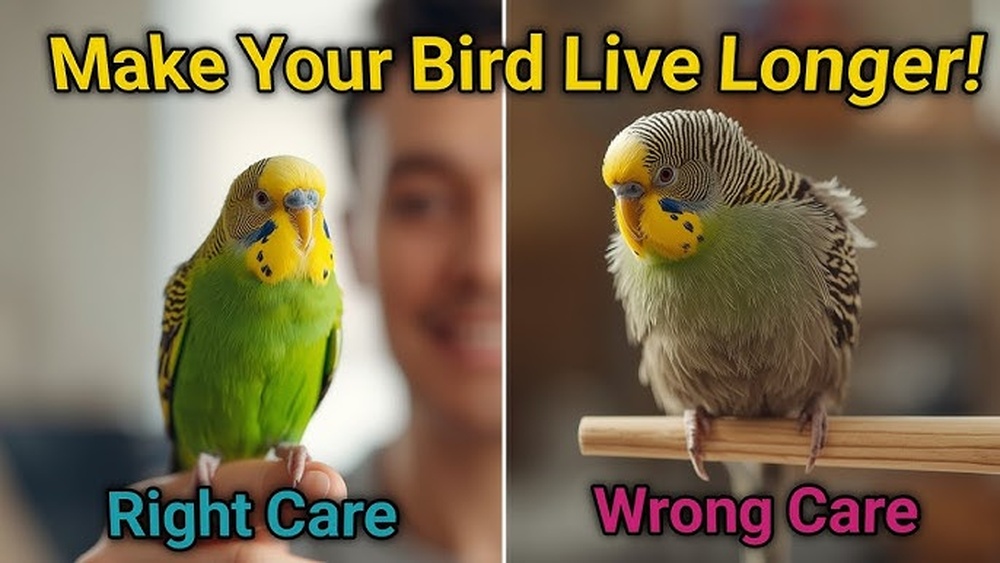
How Long Do Budgie Parakeets Live. If you have a budgie parakeet or are thinking about getting one, you probably wonder, “How long will my feathered friend live?” Knowing your budgie’s lifespan helps you prepare to give it the best care possible.
You’ll discover the typical life expectancy of budgie parakeets and learn simple tips to help your pet enjoy a long, healthy life. Keep reading to find out everything you need to know to keep your budgie happy for years to come.
Budgie Lifespan Basics
Budgie parakeets are popular pets known for their playful nature and bright colors. Understanding their lifespan helps owners provide better care. Lifespan varies depending on several key factors. Learning these basics gives insight into what affects their longevity.
Budgies can live many years with proper attention. Knowing their average lifespan and what influences it is important for every budgie owner.
Average Lifespan Range
Budgies typically live between 5 and 10 years. Some healthy budgies reach up to 15 years. Wild budgies often have shorter lives than pet budgies. Good care and a safe environment increase their chances of living longer.
Factors Influencing Longevity
Diet plays a major role in budgie lifespan. A balanced diet with fresh seeds, fruits, and vegetables is vital. Regular exercise keeps budgies strong and active. Stress and poor living conditions reduce their life expectancy. Illnesses and genetics also impact how long they live. Clean cages and fresh water help prevent diseases. Attention to these factors supports a longer, healthier life for your budgie.

Genetics And Species Impact
Genetics and species play a key role in the lifespan of budgie parakeets. Different varieties and genetic traits influence their health and longevity. Understanding these factors helps pet owners care better for their birds.
Common Budgie Varieties
Budgies come in many colors and types. The most common are the English budgie and the American budgie. English budgies are larger and live slightly longer. American budgies are smaller with shorter lifespans. Color variations like blue, green, and yellow do not affect lifespan much. Some rare varieties may have unique health traits.
Genetic Health Considerations
Genetics can cause health problems in budgies. Some birds inherit conditions like feather cysts or respiratory issues. Breeding practices affect these risks. Birds from healthy parents usually live longer. Poor genetics can shorten life by causing diseases early. Regular vet check-ups help catch problems quickly. Good genes plus proper care lead to longer lives.
Diet And Nutrition
Budgie parakeets need a balanced diet to live a long and healthy life. Their nutrition affects their energy, feathers, and overall health. Feeding them the right foods helps prevent illness and supports growth. Understanding what to feed and what to avoid is key for their well-being.
Essential Nutrients
Budgies need a mix of seeds, fruits, and vegetables. Seeds provide fats and proteins. Fresh fruits like apples and berries give vitamins and antioxidants. Vegetables such as spinach and carrots supply minerals and fiber. Calcium is important for strong bones and eggshells. Clean water must always be available.
Foods To Avoid
Some foods can harm budgies and shorten their lifespan. Avoid chocolate, avocado, and caffeine. These are toxic to birds. Do not feed salty, sugary, or fried foods. Onions and garlic can cause stomach problems. Never offer alcohol or dairy products. Stick to safe, natural foods only.
Supplements For Longevity
Supplements can support budgies’ health but use them carefully. Vitamin supplements help during illness or breeding. Mineral blocks supply extra calcium and trace elements. Probiotics improve digestion and gut health. Always consult a vet before adding supplements to their diet.
Living Environment
The living environment plays a key role in how long budgie parakeets live. A safe, comfortable space helps keep them healthy and happy. Small changes in their environment can improve their life span. Focus on cage size, temperature, lighting, and cleanliness. These factors affect their mood and health daily.
Cage Size And Setup
Budgies need a cage that allows free movement. A cage at least 18 inches wide and 18 inches deep works well. Taller cages help them fly up and down. Place perches at different heights for exercise. Include toys to keep their minds active. Avoid overcrowding the cage with too many items.
Temperature And Lighting
Budgies prefer a temperature between 65 and 75 degrees Fahrenheit. Avoid sudden temperature changes or drafts. Natural light helps keep their internal clock steady. Place the cage near a window but not in direct sun. Use a full-spectrum light if natural light is low. Proper lighting boosts their mood and energy.
Cleanliness And Hygiene
Clean cages prevent diseases and infections. Remove waste and food leftovers daily. Wash food and water containers regularly. Change cage liners at least twice a week. Keep toys and perches clean to avoid germs. Good hygiene helps budgies live longer and feel better.
Health And Medical Care
Proper health and medical care play a big role in how long budgie parakeets live. Healthy birds tend to live longer and enjoy a better quality of life. Understanding common health issues and how to prevent them helps keep your budgie happy and safe.
Common Budgie Illnesses
Budgies can get several illnesses. Respiratory infections are common and cause sneezing and breathing trouble. Psittacosis is a serious disease that can also affect humans. Feather mites cause itching and feather damage. Tumors and digestive problems also affect some budgies. Early signs often include changes in behavior and appetite.
Preventative Care
Good care keeps budgies healthy. Provide a clean cage and fresh water daily. Offer a balanced diet with seeds, fruits, and vegetables. Regular exercise and mental stimulation are important. Avoid drafts and sudden temperature changes. Quarantine new birds before introducing them to others. Clean toys and cages often to stop germs.
When To See A Vet
Watch your budgie closely. Visit a vet if your bird stops eating or drinking. Look for signs like puffed-up feathers, wheezing, or drooping wings. Sudden changes in droppings or behavior need quick attention. A vet visit helps diagnose problems early. Regular check-ups keep your budgie in top health.
Exercise And Mental Stimulation
Exercise and mental stimulation play a big role in the health and happiness of budgie parakeets. Active birds tend to live longer and feel better. Keeping your budgie busy helps prevent boredom and stress. Both physical activity and mental challenges are important for their well-being.
Importance Of Activity
Budgies need regular exercise to stay fit. Flying and climbing help keep their muscles strong. Lack of activity can cause health problems and shorten their life. Encourage your budgie to move around daily. A healthy bird is a happy bird.
Toys And Enrichment
Toys are great for mental stimulation. They challenge your budgie to think and explore. Different toys like swings, ladders, and bells keep them interested. Change toys often to avoid boredom. Enrichment helps your bird stay sharp and active.
Social Interaction
Budgies are social animals and need company. Talking, playing, or just being near others helps their mind. Interaction reduces loneliness and keeps them calm. Spending time with your budgie builds trust and happiness. Social birds enjoy longer, healthier lives.
Signs Of Aging In Budgies
Budgie parakeets live for several years, but like all pets, they show signs of aging. Recognizing these signs helps you care for your bird better. Aging in budgies affects their behavior, appearance, and health. Knowing what to watch for keeps your pet comfortable and happy.
Behavioral Changes
Older budgies may become less active than before. They often sleep more and play less. Some might show less interest in talking or singing. Changes in social behavior can occur; your budgie might prefer being alone. Watch for slower movements or less curiosity in their surroundings.
Physical Indicators
Signs of aging show in your budgie’s feathers and body. Feathers may look dull or thin. Older budgies might have rough or missing feathers. Their eyes can become cloudy or less bright. Weight loss or a change in posture can also happen. Notice any difficulty in flying or climbing.
Adapting Care For Older Budgies
Adjust your budgie’s care as it ages. Provide softer food that is easier to eat. Keep their cage clean and safe with easy access to food and water. Limit stressful situations and loud noises around them. Regular check-ups with a vet help catch health issues early. Gentle interaction and patience mean a lot to older budgies.
Extending Your Budgie’s Life
Extending your budgie’s life requires attention and care. Healthy habits help your budgie live longer and happier. Small steps make a big difference in their well-being. Understanding their needs ensures they thrive in your home.
Best Practices For Care
Feed your budgie a balanced diet rich in seeds and fresh fruits. Clean their cage regularly to prevent bacteria and illness. Provide fresh water daily and change it often. Give your budgie space to fly and exercise. Social interaction is vital; spend time talking and playing with them.
Avoiding Common Risks
Keep your budgie away from toxic plants and fumes. Avoid sudden temperature changes and drafts. Watch for signs of illness like puffed feathers or loss of appetite. Remove sharp objects or small items that can be swallowed. Never allow pets or children to harm your bird.
Success Stories
Many budgie owners report their birds living over ten years. Some have cared for their budgies for more than fifteen years. These stories show how good care improves lifespan. Happy budgies often show playful and curious behavior. Consistent care helps them stay strong and active.

Frequently Asked Questions
How Long Do Budgie Parakeets Live On Average?
Budgie parakeets typically live between 5 to 10 years. With proper care, some can reach up to 15 years. Their lifespan depends on diet, environment, and health care.
What Factors Affect Budgie Parakeet Lifespan?
Diet quality, cage cleanliness, exercise, and regular vet check-ups impact budgie lifespan. Stress and poor nutrition can shorten their life significantly.
Can Budgie Lifespan Be Extended With Proper Care?
Yes, a balanced diet, clean habitat, and mental stimulation can extend budgie life. Regular health monitoring helps detect and prevent illnesses early.
Do Wild Budgies Live As Long As Pets?
Wild budgies usually live shorter lives, around 4 to 6 years. Predators, harsh weather, and food scarcity reduce their lifespan compared to pet budgies.
Conclusion
Budgie parakeets can live 5 to 10 years on average. Good care helps them stay healthy and live longer. Fresh food, clean water, and a safe home matter most. Regular vet visits catch problems early. These small birds bring joy for many years.
Patience and love create a strong bond with your budgie. Remember, each bird is unique and lifespans vary. Enjoy every moment with your feathered friend. A happy budgie makes a happy home.


