
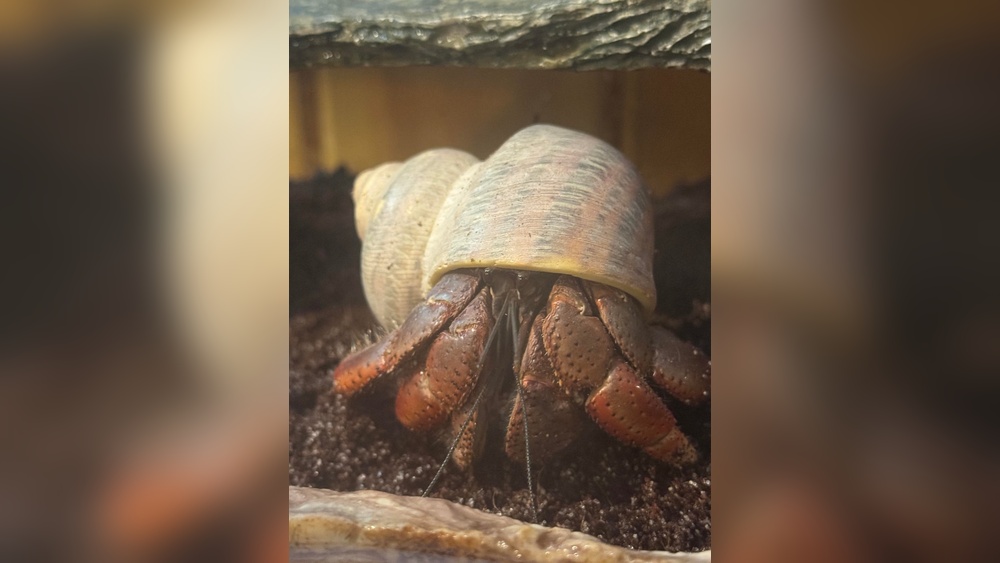
How Long Will a Hermit Crab Live.Have you ever wondered how long your hermit crab friend will be by your side? Knowing your hermit crab’s lifespan can help you care for it better and enjoy many happy moments together.
Whether you’re a new owner or thinking about getting one, understanding how long a hermit crab lives will give you a clearer idea of what to expect. Keep reading to discover important facts that will help you make the most of your time with these fascinating little creatures.

Hermit Crab Lifespan Basics
Hermit crabs are fascinating creatures with unique habits and needs. Understanding their lifespan helps owners care for them better. Lifespan varies greatly depending on where they live and how they are cared for. Hermit crabs can live for several years, but the exact length depends on several factors.
Average Lifespan In The Wild
How Long Will a Hermit Crab Live.In the wild, hermit crabs often live 10 to 12 years. Their lifespan depends on safe habitats and food availability. Natural predators and environmental changes affect their survival. Wild hermit crabs have more space and natural shells to choose from. These conditions help them live longer and stay healthy.
Lifespan In Captivity
How Long Will a Hermit Crab Live.Hermit crabs in captivity usually live 5 to 7 years. Proper care and environment can extend their life. Many hermit crabs die early due to poor humidity and diet. Owners must provide the right temperature and fresh food. Clean water and suitable shells are also crucial for their health. With good care, captive hermit crabs can live close to their wild lifespan.
Factors Affecting Lifespan
Many things affect how long a hermit crab lives. Some are about its care, others about its environment. Understanding these factors helps keep your crab healthy and happy. Here are the main factors that influence a hermit crab’s lifespan.
Diet And Nutrition
Hermit crabs need a balanced diet to live longer. They eat fruits, vegetables, and protein sources. Lack of nutrients weakens their shells and immune system. Fresh food and clean water are very important. Avoid feeding them processed or salty foods.
Habitat Conditions
Their home must mimic their natural environment. Temperature and humidity levels should be stable. Too dry or too cold harms their health. Use a tank with sand or coconut fiber for burrowing. Clean the habitat regularly to prevent bacteria growth.
Shell Quality And Size
Hermit crabs grow and need bigger shells over time. A good shell protects them from predators and injuries. Avoid shells with cracks or holes. Provide different shell sizes so they can choose the best fit. Poor shell quality causes stress and health problems.
Stress And Handling
Too much handling stresses hermit crabs. Stress lowers their immune response and can shorten life. Handle gently and only when necessary. Loud noises and sudden changes also cause stress. Create a calm space with hiding spots for your crab.
Common Health Issues
Hermit crabs can face several health problems that affect their lifespan. Understanding these common issues helps keep them healthy. Early care and attention improve their chances of living longer. Watch for signs of trouble like changes in behavior or appearance. Acting fast can prevent serious harm.
Shell Disease
Shell disease happens when bacteria attack the crab’s shell. It causes white or black spots on the shell surface. The crab may stop moving or hide often. Dirty tanks and poor water quality increase the risk. Clean habitat and fresh water help prevent this disease.
Parasites And Infections
Parasites can live on or inside hermit crabs. They cause itching, lethargy, and weight loss. Fungal and bacterial infections also harm crabs. Infections appear as soft spots or unusual colors on the body. Keeping the tank clean lowers infection chances.
Molting Complications
Molting is vital for growth but risky. Sometimes crabs get stuck in their old shell. They can become weak or die during this process. Stress, poor diet, and wrong humidity cause molting problems. A quiet, stable environment helps molting go smoothly.
Extending Your Hermit Crab’s Life
How Long Will a Hermit Crab Live.Extending your hermit crab’s life depends on careful care and attention. Hermit crabs need a safe and healthy environment. Small changes in their habitat and diet can make a big difference. Watch their health closely to catch problems early. Avoid common mistakes that harm their well-being.
Follow these tips to keep your hermit crab happy and healthy for years.
Creating A Proper Habitat
Hermit crabs need a warm, humid home. Use a tank with a secure lid to keep them safe. Keep temperature between 75°F and 85°F. Maintain humidity around 70% to 80%. Add sand or coconut fiber as substrate for digging. Provide fresh and saltwater bowls for drinking and bathing. Include hiding spots like shells or plants. Clean the tank regularly to avoid mold and bacteria.
Feeding Tips
Feed hermit crabs a varied diet. Offer fresh fruits, vegetables, and protein sources. Use commercial hermit crab food as a supplement. Remove uneaten food daily to prevent spoilage. Avoid salty or processed human foods. Fresh water should always be available. Balanced nutrition supports their shell growth and overall health.
Monitoring Health
Watch for signs of illness or stress. Look for lethargy, discoloration, or loss of limbs. Check if your crab is eating well and active. Ensure they molt regularly, as this is vital for growth. Isolate sick crabs to prevent disease spread. Consult a vet specializing in exotic pets if needed. Early care helps hermit crabs recover faster.
Avoiding Common Mistakes
Do not expose crabs to sudden temperature changes. Avoid using tap water without dechlorination. Never handle crabs roughly or too often. Do not keep them in overcrowded tanks. Avoid plastic toys or sharp objects in the habitat. Do not ignore their need for social interaction with other crabs. These mistakes reduce lifespan and cause stress.
Signs Of Aging In Hermit Crabs
Hermit crabs do not live forever. They grow old just like other pets. Watching their signs of aging helps you care for them better. These signs appear in their behavior and body. Understanding these changes keeps your hermit crab healthy and happy.
Behavioral Changes
Older hermit crabs move slower than young ones. They hide more often and stay quiet. They may stop exploring their surroundings. Eating habits can change too. Some older crabs eat less or take longer to eat. They may also become less social and avoid other crabs.
Physical Indicators
How Long Will a Hermit Crab Live.Look for changes in the shell condition. Older crabs may have worn or cracked shells. Their legs and claws can look thinner or weaker. The color of their shell may fade over time. Watch for less movement in their limbs. These are signs your crab is aging.


Frequently Asked Questions
How Long Do Hermit Crabs Live As Pets?
Hermit crabs typically live 5 to 10 years in captivity. Proper care, diet, and habitat extend their lifespan. Some can live over 15 years with excellent care.
What Affects A Hermit Crab’s Lifespan?
Diet, humidity, temperature, and shell availability impact lifespan. Stress and improper care shorten their lives. A balanced environment promotes health and longevity.
Can Hermit Crabs Live Longer In Captivity?
Yes, hermit crabs often live longer in captivity than in the wild. Controlled conditions reduce predators and disease risks, enhancing their lifespan when cared for properly.
How To Tell If A Hermit Crab Is Old?
Older hermit crabs move slower and have worn shells. They may also show reduced activity and appetite. These signs indicate aging but not immediate health issues.
Conclusion
Hermit crabs can live for several years with good care. Their lifespan depends on diet, environment, and shell quality. Regular cleaning and proper humidity help them stay healthy. Choosing the right shell lets them grow comfortably. Watching their behavior helps spot health problems early.
A happy hermit crab can be a long-time pet. Keep learning about their needs to give the best care. Small changes make a big difference in their life. Caring well means enjoying your hermit crab for many years.


