
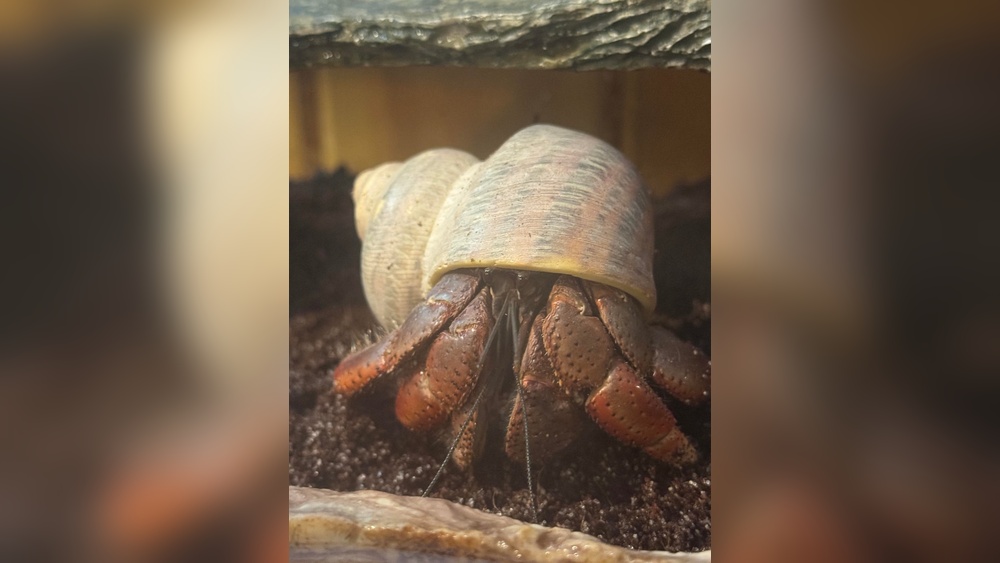
Have you ever wondered how long your hermit crab friend might live? Knowing the average lifespan of a hermit crab can help you give it the best care and enjoy many happy years together.
Whether you’re new to keeping hermit crabs or already have one, understanding their lifespan is key to planning for their needs and health. Keep reading to discover what affects how long hermit crabs live and what you can do to make sure your tiny companion thrives.
Hermit Crab Lifespan Range
Hermit crabs can live for many years, but their lifespan varies. Some live only a few years, while others may live over a decade. The lifespan depends on where they live and how well they are cared for. Understanding these differences helps in giving them the best environment.
Knowing the lifespan range helps owners prepare for their crab’s needs. It also shows how important good care is for a long life. Let’s explore the differences between wild and captive lifespans and the key factors affecting their longevity.
Wild Vs Captive Lifespan
Wild hermit crabs often live longer than those kept as pets. In nature, they face risks like predators and harsh weather. Despite this, they can live up to 30 years or more.
Captive hermit crabs usually live between 5 and 10 years. Poor care and small tanks can shorten their life. Proper food, humidity, and space can help them live longer in captivity.
Factors Affecting Longevity
Diet plays a big role in how long hermit crabs live. They need a mix of fresh fruits, vegetables, and protein. Clean water and proper humidity also keep them healthy.
Stress and poor habitat cause early death. Small tanks, low humidity, and lack of shells make crabs weak. Regular cleaning and a good environment improve their lifespan.
Common Hermit Crab Species
Hermit crabs come in many types. Each species has unique needs and lifespans. Knowing common species helps you care better for them. This section highlights two main groups: land hermit crabs and marine hermit crabs.
Land Hermit Crabs
Land hermit crabs live mostly on the shore. They need moist air and access to both land and water. These crabs use empty shells to protect their soft bodies. Popular species include the Caribbean hermit crab and the Ecuadorian hermit crab. Their average lifespan ranges from 5 to 15 years in captivity. Proper care can help them live longer.
Marine Hermit Crabs
Marine hermit crabs live in the ocean. They prefer rocky or coral areas. These crabs also use shells but spend most time underwater. Common species are the striped hermit crab and the blue-legged hermit crab. Marine hermit crabs usually live 3 to 5 years. Their lifespan depends on water quality and diet.
Environmental Impact On Lifespan
Environmental factors greatly affect a hermit crab’s lifespan. The right surroundings can help them live longer. Poor conditions might shorten their life.
Understanding these impacts helps in providing a better habitat. It supports their health and overall well-being.
Habitat Conditions
Hermit crabs need clean and safe habitats. Dirty or overcrowded spaces cause stress and illness. Proper substrate and hiding spots are important. These conditions mimic their natural environment. A good habitat keeps them active and healthy.
Temperature And Humidity
Temperature and humidity must stay within a specific range. Too cold or too hot harms their health. Ideal humidity keeps their gills moist for breathing. Low humidity causes dehydration and weakens them. Stable temperature and humidity levels extend their lifespan.
Diet And Nutrition Effects
Diet plays a major role in the lifespan of hermit crabs. Proper nutrition helps them grow strong and stay healthy. Poor diet can lead to illness and a shorter life.
Hermit crabs need a balanced diet that meets all their nutritional needs. Understanding what nutrients are essential and their feeding habits can improve their quality of life.
Essential Nutrients
Hermit crabs require protein, fats, and carbohydrates to thrive. Protein supports shell growth and repairs body tissues. Healthy fats provide energy and help absorb vitamins. Carbohydrates give quick energy for daily activities.
Calcium is vital for strong shells and bone development. Vitamins like A, D, and E boost the immune system. Minerals such as magnesium and iodine support metabolism and nerve function. A lack of these nutrients weakens hermit crabs and shortens their lifespan.
Feeding Habits
Hermit crabs are scavengers that eat many foods. They enjoy fruits, vegetables, and protein sources like fish or shrimp. Small portions throughout the day keep them active and healthy.
Fresh, clean water must always be available for drinking and bathing. Avoid feeding salty, oily, or processed human foods. Regularly changing their diet prevents nutrient deficiencies and boredom. Good feeding habits lead to longer, happier lives for hermit crabs.
Health And Disease Concerns
Hermit crabs need good health to live long and happy lives. They can catch illnesses that hurt their shells, legs, or eyes. Knowing about these problems helps keep your pet safe.
Healthy hermit crabs stay active and grow well. Sick ones may stop eating or hide more. Watch for any changes in behavior or appearance.
Common Illnesses
Hermit crabs often get shell rot. This infection causes soft spots or holes in their shells. Another problem is leg loss. Crabs may lose legs from injury or stress. Crab mites are tiny pests that cause itching and skin damage. Bacterial infections can make crabs weak and less active.
Preventive Care
Keep your hermit crab’s tank clean. Change water daily and remove old food. Use a proper mix of salt and fresh water. Provide a warm and humid environment to avoid stress. Offer fresh fruits and vegetables for good nutrition. Handle your crab gently to prevent injuries.
Shell Selection And Its Role
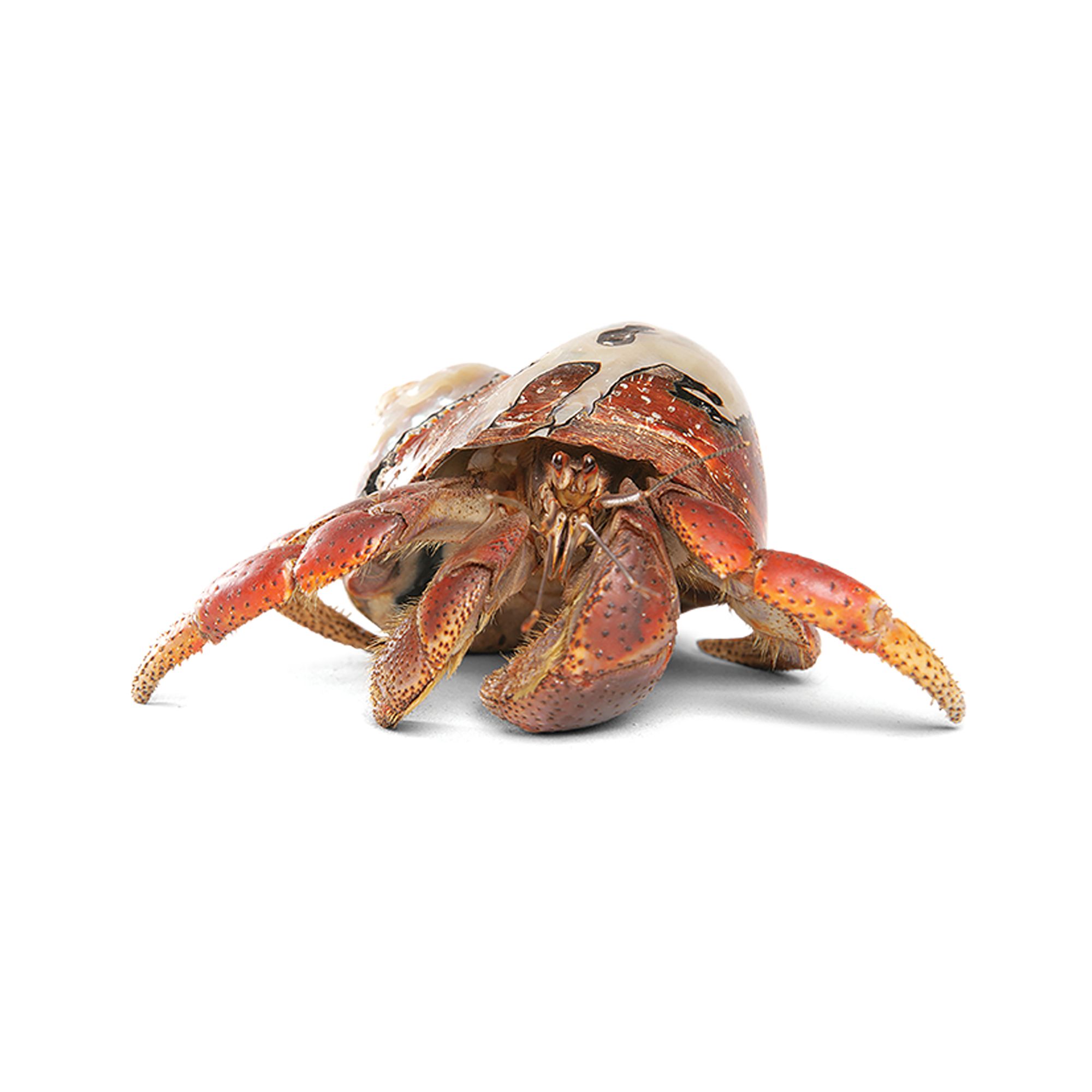
Hermit crabs rely heavily on their shells for protection and survival. The right shell helps them stay safe from predators and harsh environments. It also affects their growth and overall health. Choosing a proper shell can extend a hermit crab’s life.
Hermit crabs must find shells that fit well. A shell too small or too big causes problems. Shell selection is a key factor in the average lifespan of hermit crabs. Understanding this can help owners care better for their pets.
Importance Of Proper Shells
Hermit crabs need shells that fit snugly. A good fit protects their soft bodies. It also allows them to move freely and grow.
Crabs change shells as they grow. They must find shells with the right size and shape. Using an improper shell can lead to injury and stress. This reduces their chances of living longer.
Providing a variety of shells is important. It gives crabs options to choose from. This helps them find the best shell for their size and needs.
Signs Of Shell Stress
Hermit crabs show signs when their shell is wrong. They may hide more often or move slowly. A crab that constantly tries to leave its shell feels uncomfortable.
Look for cracks or damage on the shell. These can harm the crab’s body. A crab may refuse food or lose weight due to shell stress.
Shell stress weakens the crab’s immune system. It makes them more likely to get sick. Changing shells regularly helps prevent these problems.
Tips For Extending Lifespan
Extending a hermit crab’s lifespan takes care and attention. A healthy environment and routine care keep your crab happy and active. Small steps make a big difference.
Habitat Setup
Choose a spacious tank with enough room to move. Use sand or coconut fiber as a soft substrate. Keep the habitat warm, between 75 and 85 degrees Fahrenheit. Maintain humidity around 70 to 80 percent. Provide fresh and saltwater dishes for drinking and bathing. Add climbing branches and hiding places to reduce stress. Change shells often to allow growth and comfort.
Regular Maintenance
Clean the tank regularly to avoid mold and bacteria. Remove leftover food daily to prevent spoilage. Check water dishes and refill them with fresh water. Monitor temperature and humidity with reliable tools. Watch your crab’s behavior for signs of illness. Replace old substrate every few months. Handle your hermit crab gently and avoid sudden movements.

Frequently Asked Questions
What Is The Average Lifespan Of A Hermit Crab?
Hermit crabs typically live between 5 to 10 years in captivity. In the wild, some species may live up to 30 years. Proper care, diet, and environment significantly impact their lifespan.
How Does Habitat Affect Hermit Crab Lifespan?
A clean, humid, and stable environment increases hermit crab lifespan. Poor habitat conditions cause stress and shorten their life. Proper substrate, temperature, and humidity are essential for their health.
Do Hermit Crabs Live Longer In Captivity Or Wild?
Hermit crabs often live longer in captivity with proper care. In the wild, predators and environmental risks reduce their lifespan. A well-maintained tank can extend their life expectancy.
What Factors Influence Hermit Crab Lifespan The Most?
Diet, habitat, and stress levels strongly influence hermit crab lifespan. Balanced nutrition and a clean environment promote longevity. Avoiding sudden changes and handling them gently also helps them live longer.
Conclusion
Hermit crabs live for several years with proper care. Their lifespan depends on diet, habitat, and species. Keeping their shells clean and safe helps them thrive. Regular feeding and a moist environment support their health. Watching them grow and change is rewarding.
Small steps make a big difference in their life. Enjoy caring for your hermit crab every day. Their quiet, gentle nature brings calm to your home. Caring for hermit crabs teaches patience and responsibility too. A healthy hermit crab can be a long-time friend.


