
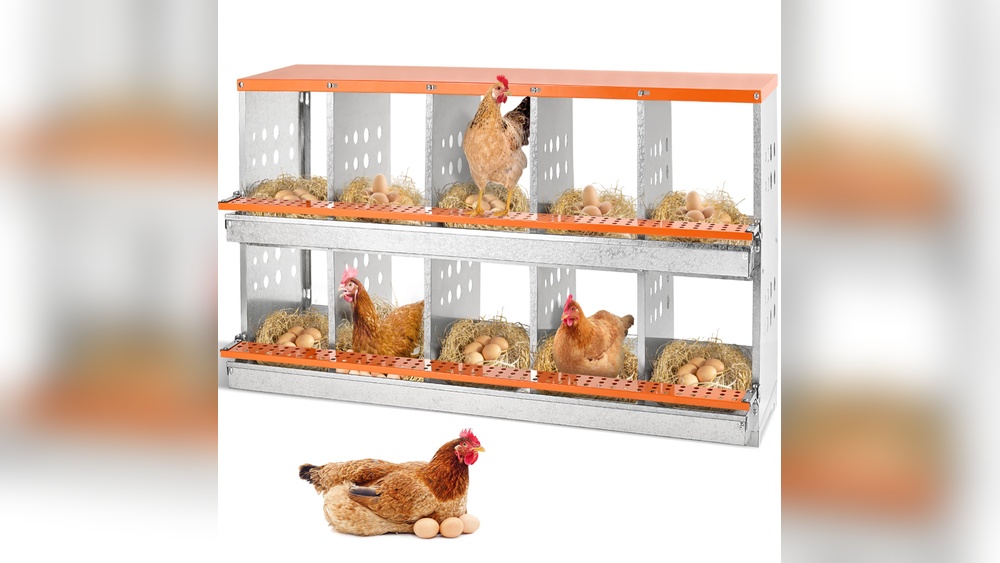
How Many Hens Per Nesting Box.If you keep chickens, you’ve probably wondered how many hens should share one nesting box. Getting this right can make a big difference in your hens’ comfort and your daily egg collection.
Too many hens in one box can lead to squabbles and dirty eggs, while too few might mean wasted space. You’ll discover the best number of hens per nesting box to keep your flock happy and productive. Keep reading to learn simple tips that will make your chicken coop run smoothly and boost your egg game.
Nesting Box Basics
How Many Hens Per Nesting Box.Nesting boxes are essential for hens to lay eggs safely and comfortably. They provide a quiet, cozy space that encourages hens to lay in one spot. Understanding the basics helps you create a better environment for your flock.
Purpose Of Nesting Boxes
How Many Hens Per Nesting Box.Nesting boxes give hens a private place to lay eggs. They protect eggs from dirt and damage. Boxes also help keep eggs clean and easy to find. Hens prefer a dark and quiet spot. This reduces stress and improves egg production. Providing enough boxes reduces fighting among hens.
Types Of Nesting Boxes
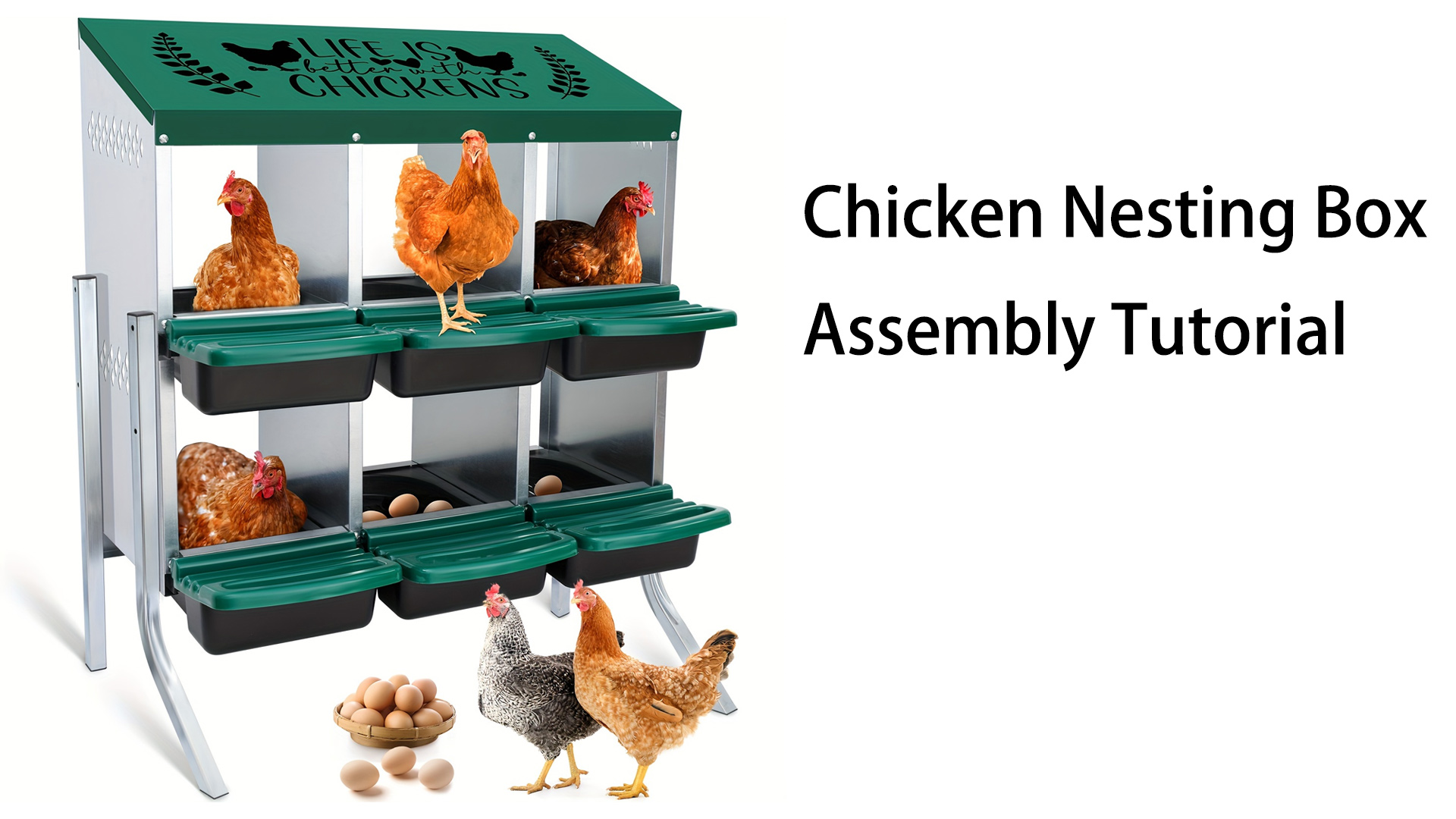
How Many Hens Per Nesting Box.There are many types of nesting boxes. Simple wooden boxes are common and affordable. Plastic boxes are easy to clean and last longer. Some boxes have curtains or doors for privacy. Hanging boxes save space in small coops. The right box depends on your space and number of hens.

Ideal Hen To Nesting Box Ratio
Choosing the right number of hens per nesting box helps keep hens calm and eggs safe. Too few boxes cause fights and stress. Too many boxes waste space and money.
Finding a good balance makes hens lay eggs regularly. It also keeps the coop clean and easy to manage. The ideal hen to nesting box ratio depends on several factors.
Recommended Number Of Hens Per Box
How Many Hens Per Nesting Box.Experts suggest one nesting box for every 3 to 4 hens. This ratio reduces competition for space. Hens have enough room to lay eggs comfortably.
More boxes than this do not improve egg laying much. Fewer boxes lead to overcrowding and broken eggs. Using this guideline helps keep hens happy and healthy.
Factors Influencing Box Requirements
How Many Hens Per Nesting Box.Hen breed and size affect how many hens use one box. Larger breeds need more space per hen. Smaller breeds can share boxes more easily.
The hen’s behavior also matters. Some hens are shy and need their own box. Others are more social and share without problems.
Egg-laying frequency changes box needs too. Hens that lay daily need more boxes. Hens that lay less often can share boxes.
Coop design and space influence how many boxes fit comfortably. Proper ventilation and light improve nesting habits. These factors help decide the exact number of boxes.
Space And Comfort Considerations
Space and comfort in nesting boxes matter a lot for hens. Proper space helps hens lay eggs calmly and safely. Too little room causes stress and may lower egg quality. Comfort also keeps hens healthy and happy. It reduces fighting and injury risks.
Choosing the right space and comfort means thinking about box size, materials, and bedding. Each part affects how hens use the nesting box and their overall well-being.
Box Size And Dimensions
Nesting boxes must have enough room for one hen to turn around. A good size is about 12 inches wide, 12 inches deep, and 12 inches high. This size fits most hen breeds comfortably.
Boxes too small cause hens to feel cramped. This can make hens avoid the box or fight over space. If the box is too large, hens may not feel secure. Balanced size encourages hens to lay eggs in the box.
Materials And Bedding
Choose safe, sturdy materials for nesting boxes. Wood and plastic are common choices. Wood offers natural insulation and is easy to clean. Plastic is lightweight and weather resistant.
Bedding adds softness and warmth. Straw, hay, or wood shavings work well. Bedding should be dry and clean. Change it often to keep the box fresh and free from pests.
Soft bedding helps protect eggs from cracking. It also makes hens more comfortable during egg laying. Clean, dry bedding supports good hen health.

Behavioral Aspects Of Hens
How Many Hens Per Nesting Box.Understanding the behavior of hens helps in deciding how many hens should share one nesting box. Hens have natural habits that affect their nesting choices. Their comfort and peace during laying eggs are very important. Observing their behavior can reduce stress and improve egg production.
Hen Preferences And Habits
Hens like to lay eggs in quiet, dark, and cozy places. They prefer a nesting box that feels safe and private. Many hens return to the same spot every day. Some hens are picky about sharing a box with others. They may choose a box based on size and bedding comfort.
Avoiding Competition And Aggression
Hens can get aggressive if too many share one box. Fighting happens over the best nesting spots. Stress from competition lowers egg quality and hen health. Providing enough boxes helps hens avoid fights. It also keeps them calm and happy while laying eggs.
Adjusting Nesting Boxes For Different Flock Sizes
Nesting boxes are essential for hens to lay eggs comfortably. The number of hens per nesting box depends on flock size. Proper adjustment helps keep hens happy and reduces fighting. It also ensures clean eggs and less stress among birds. Different flock sizes need different nesting box setups for best results.
Small Flocks
Small flocks usually have fewer hens. One nesting box can serve about three to four hens. This ratio gives hens enough space to lay eggs peacefully. Having extra boxes prevents hens from waiting too long. It lowers the chance of egg breakage and dirt. Small flocks benefit from simple, easy-to-clean boxes. Place boxes in quiet, safe areas to encourage use.
Large Flocks
Large flocks require more nesting boxes to avoid crowding. One box per four hens is a good rule. More boxes reduce competition and stress among hens. Spread boxes evenly around the coop to prevent crowding. Ensure boxes are easy to access and clean. Using multiple boxes helps maintain egg quality. Large flocks need regular checks for damage or dirt in boxes.
Maintenance And Cleanliness
Keeping nesting boxes clean and well-maintained is essential for healthy hens and fresh eggs. Dirt and waste can build up quickly, creating a poor environment. Regular cleaning helps stop diseases and keeps hens comfortable. It also reduces bad smells around your coop. Good maintenance means checking nesting boxes often and acting fast when they get dirty.
Cleaning Frequency
Clean nesting boxes at least once a week. Remove old bedding and replace it with fresh, dry material. If you have many hens per box, clean more often. Spot clean daily to take out droppings and wet spots. This keeps the box dry and more inviting for hens.
Preventing Parasites And Odors
Parasites like mites and lice can hide in dirty nests. Use safe powders or sprays to keep pests away. Good airflow helps stop moisture, which attracts parasites and causes smells. Avoid overcrowding in nesting boxes to reduce stress and dirt. Fresh bedding and regular cleaning cut down odors and keep hens healthy.
Signs Of Nesting Box Issues
Signs of nesting box issues can affect your hens’ health and egg production. Watch closely for problems early. Small issues can lead to bigger troubles if ignored. Understanding these signs helps you keep hens comfortable and productive.
Egg Laying Problems
Hens may stop laying eggs or lay fewer eggs. Eggs might be dirty or broken more often. Some hens lay eggs outside the nest box. This shows they do not like the current setup. Check the nesting box size and cleanliness. Too many hens per box cause these issues. Fixing the box can improve egg laying quickly.
Hen Stress Indicators
Hens may peck each other or act restless. They might spend less time in the nesting box. Feathers can become ruffled or missing from fights. Stress lowers egg production and hen health. Crowded or dirty boxes cause stress easily. Provide enough boxes and keep them clean to reduce stress.
Enhancing Hen Happiness
Happy hens lay better eggs. They feel safe and comfortable in their nesting boxes. Providing the right number of hens per box helps reduce stress. It also lowers fighting and noise. A calm hen house means healthier birds and more eggs.
Beyond the number of hens, the nesting environment matters. Soft bedding and clean boxes invite hens to nest. Quiet, private spots make hens feel secure. The goal is a peaceful, cozy space for every hen.
Additional Comfort Tips
Use straw or wood shavings for soft bedding. Replace bedding regularly to keep it fresh. Ensure nesting boxes stay dry and clean. Place boxes away from direct sunlight or drafts. Add a small perch outside each box. This helps hens enter and exit easily.
Encouraging Consistent Use
Keep nesting boxes in the same place. Hens learn and remember their favorite spots. Avoid moving boxes often to reduce confusion. Check boxes daily to remove eggs and keep them tidy. Provide enough boxes so hens do not compete. Consistent use means less stress and more eggs.
Frequently Asked Questions
How Many Hens Should Share One Nesting Box?
Ideally, 3 to 4 hens can share one nesting box. This ratio prevents overcrowding and reduces stress. It also keeps eggs cleaner and safer. More hens per box may cause fighting and egg damage.
Why Is The Hen-to-nesting Box Ratio Important?
Proper hen-to-nesting box ratio ensures comfort and reduces competition. It promotes healthier egg laying and less stress. Overcrowded boxes lead to broken eggs and aggressive behavior. Maintaining the right ratio improves flock harmony and productivity.
What Happens If Too Many Hens Share One Box?
Too many hens sharing a box cause stress and fighting. Eggs may get broken or dirty. Some hens might avoid laying due to competition. This results in fewer eggs and poor flock health.
Can One Hen Have Its Own Nesting Box?
Yes, one hen can have her own nesting box. This setup minimizes competition and stress. It ensures cleaner eggs and encourages consistent laying. However, it may require more space and resources.
Conclusion
A good rule is one hen per nesting box. This helps reduce fights and stress among hens. It also keeps eggs cleaner and easier to collect. Too many hens in one box causes problems. Give each hen enough space to lay comfortably.
This simple tip improves hen health and egg quality. Remember, happy hens lay better eggs. Proper nesting boxes make a big difference. Keep your hens calm and productive with enough boxes. That’s the key to a smooth egg-laying routine.


