

How Long Do Puppies Teeth Last? Have you ever wondered how long your puppy’s teeth last before they start to change? Understanding your puppy’s dental timeline is key to keeping their smile healthy and pain-free.
Knowing when those tiny teeth will fall out and new ones will grow can help you prepare for teething troubles and care for your furry friend better. Keep reading, and you’ll discover exactly what to expect and how to make this stage easier for both you and your puppy.

Puppy Teeth Development
Puppy teeth development is a key stage in a puppy’s growth. Their tiny teeth help them explore the world and start eating solid food. Understanding this process helps you care for your puppy better. You can spot changes and know what to expect as they grow.
Teeth development happens in clear steps, from baby teeth to adult teeth. Each step has its own timeline and signs. Watching these changes keeps your puppy healthy and happy.
When Puppies Get Their Baby Teeth
Puppies usually get their baby teeth around two to four weeks old. These teeth are very small and sharp. Baby teeth help puppies chew soft food and learn to bite gently. They have 28 baby teeth in total.
This stage is exciting because puppies begin to explore more with their mouths. You may notice them chewing on toys or your fingers. This behavior is normal and helps their teeth grow strong.
Timeline For Losing Baby Teeth
Puppies start losing their baby teeth at about 12 weeks old. This process can last until they are six months old. Loose teeth may cause mild discomfort or extra chewing. Provide safe chew toys to ease their pain.
Watch for missing teeth or small bleeding spots in their mouth. These signs show adult teeth are pushing out baby teeth. Keep your puppy’s mouth clean to avoid infections during this time.
Arrival Of Adult Teeth
Adult teeth usually appear between four and six months of age. Puppies get 42 adult teeth in total. These teeth are bigger and stronger than baby teeth. They help your dog eat a wider variety of food and protect their mouth.
Once adult teeth are in, puppies need regular dental care. Brushing their teeth early builds good habits. Healthy adult teeth support your dog’s well-being for life.
Identifying Teeth Stages
Identifying the stages of a puppy’s teeth helps you understand their growth and care needs. Puppies go through clear changes in their teeth as they grow. Knowing these stages helps you support your puppy’s health and comfort. You can watch for signs that show what stage your puppy is in. This guide explains how to spot these signs and the differences between baby and adult teeth.
Signs Of Teething In Puppies
Puppies often chew on things more during teething. Their gums may look red or swollen. You might see small drops of blood when teeth break through. Puppies can be more restless or whiny during this time. They may also lose their appetite briefly. These signs usually start around three weeks old and continue until six months.
Differences Between Baby And Adult Teeth
Baby teeth are smaller and sharper than adult teeth. Puppies have 28 baby teeth, which are temporary. Adult dogs have 42 teeth, larger and stronger. Baby teeth fall out as adult teeth grow in. This process helps puppies prepare for a tougher diet. Knowing the difference helps you track your puppy’s growth correctly.
Caring For Puppy Teeth
Caring for puppy teeth is key to their health and comfort. Puppies start teething at about three weeks old and lose baby teeth by six months. Good care helps avoid pain and dental problems later. It also builds habits for lifelong dental health.
Teething Relief Tips
Puppies feel discomfort as their teeth grow. Offer safe chew toys to ease pain. Cold items, like chilled toys, soothe sore gums. Avoid hard objects that can hurt teeth. Gentle massage on gums can calm puppies. Watch for signs of severe pain or swelling.
Cleaning Puppy Teeth
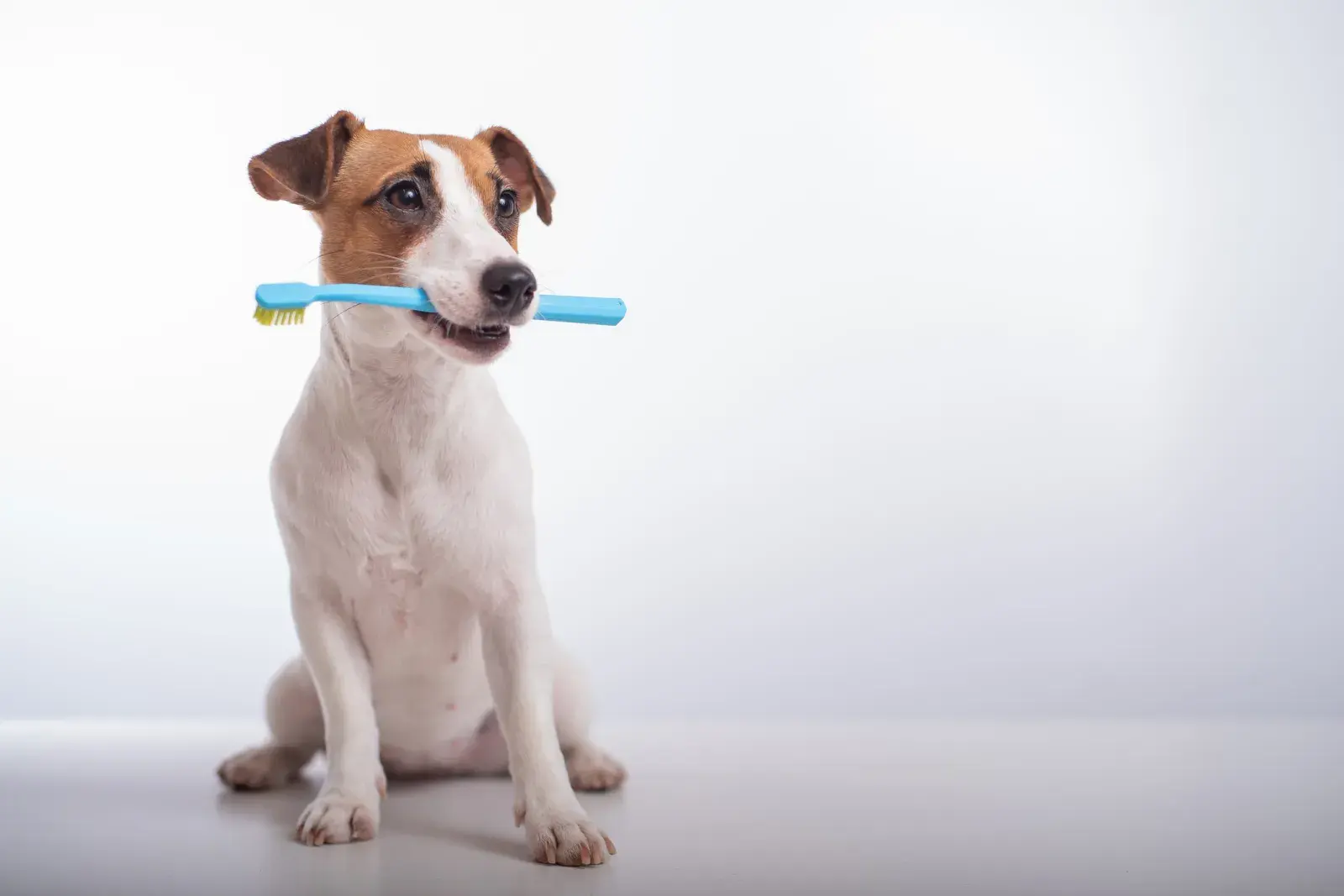
Start cleaning teeth early to build routine. Use a soft toothbrush made for puppies. Choose toothpaste with flavors they like. Brush gently in small circles. Aim to clean twice a week at first. Regular brushing removes plaque and prevents decay.
Diet And Nutrition For Healthy Teeth
Puppy food affects dental health a lot. Provide balanced meals with proper nutrients. Crunchy kibble helps clean teeth naturally. Avoid sugary treats that cause cavities. Fresh water should always be available. Good diet supports strong teeth and gums.
Common Dental Issues
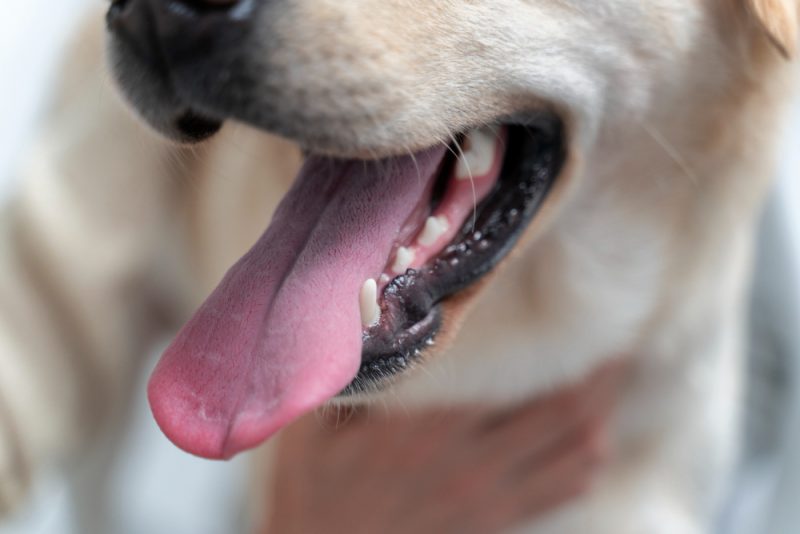
Puppies go through many changes as their teeth grow and fall out. This process can cause some common dental issues. Knowing these problems helps keep your puppy’s mouth healthy. Watch for signs that something may be wrong.
Retained Baby Teeth
Sometimes, baby teeth do not fall out on time. These teeth stay in the mouth alongside adult teeth. This can cause crowding and discomfort. It may also lead to infections or tooth decay. A vet can check and remove these teeth if needed.
Gum Inflammation
Gums can become red and swollen during teething. This is due to irritation from new teeth pushing through. Puppies may drool more and chew on objects to ease pain. Keep the gums clean to avoid infection. Soft brushing and gentle care help reduce inflammation.
When To Visit The Vet
Take your puppy to the vet if you see swelling or bleeding gums. Notice bad breath or difficulty eating. If baby teeth do not fall out after six months, seek advice. Early care prevents long-term dental problems. Regular check-ups support your puppy’s healthy smile.
Maintaining Adult Dog Teeth
Maintaining adult dog teeth is important for your pet’s health. Strong teeth help dogs eat well and avoid pain. Healthy teeth also prevent bad breath and serious illnesses. A good dental care routine keeps your dog happy and active.
Regular Dental Care Routine
Brush your dog’s teeth daily using a soft toothbrush. Use toothpaste made for dogs, not humans. Regular brushing removes plaque and stops tartar buildup. Check your dog’s mouth often for red gums or loose teeth. Provide dental chews to help clean teeth naturally. Schedule professional cleanings with your vet once a year.
Preventing Dental Disease
Dental disease can cause pain and tooth loss in dogs. Feeding dry food helps reduce plaque buildup. Avoid giving your dog sugary treats or table scraps. Watch for signs like bad breath, drooling, or difficulty eating. Early treatment can save your dog’s teeth. Regular vet visits catch problems before they get worse.
Frequently Asked Questions
How Long Do Puppy Teeth Last Before Falling Out?
Puppy teeth typically start falling out at 12 weeks. Most lose all baby teeth by 6 months. This allows adult teeth to grow in properly and avoid dental issues.
When Do Adult Dog Teeth Fully Develop?
Adult dog teeth usually fully develop by 6 to 7 months. By this age, all 42 permanent teeth are in place, ensuring strong chewing ability and good oral health.
Can Puppies Have Dental Problems During Teething?
Yes, puppies may experience discomfort, swelling, or infections. Regular dental care and vet checks help prevent issues during teething. Safe chew toys can ease pain and promote healthy teeth.
How To Care For A Puppy’s Teeth During Teething?
Brush gently with a soft toothbrush and pet-safe toothpaste. Provide chew toys to relieve pain and clean teeth. Regular vet visits ensure healthy tooth development and prevent problems.
Conclusion
Puppies start losing baby teeth around three months old. Their adult teeth usually come in by six months. Teething can cause discomfort, so patience is key. Offer safe chew toys to help ease pain. Regular vet visits ensure healthy teeth development.
Understanding this process helps you care better for your puppy. Watch for signs of trouble, like swelling or bad breath. Healthy teeth lead to a happy, playful dog. Keep brushing gently to maintain oral health. Your puppy’s smile will grow bright and strong.


