

How to Use Rolling Dog Drywall Sanders.If you want smooth, professional-looking walls without the hassle, learning how to use rolling dog drywall sanders can make all the difference. These tools save you time and effort while giving your drywall the perfect finish.
Whether you’re a DIY enthusiast or tackling a big renovation, mastering this tool will help you achieve flawless results. Keep reading to discover simple steps and insider tips that will transform your sanding process and leave your walls looking brand new.

Choosing The Right Rolling Dog Sander
How to Use Rolling Dog Drywall Sanders.Choosing the right Rolling Dog drywall sander can make a big difference in how smooth and efficient your sanding job turns out. You want a tool that fits your project needs and feels comfortable to use for long periods. Let’s break down what you should look for before making your pick.
Types Of Sanders Available
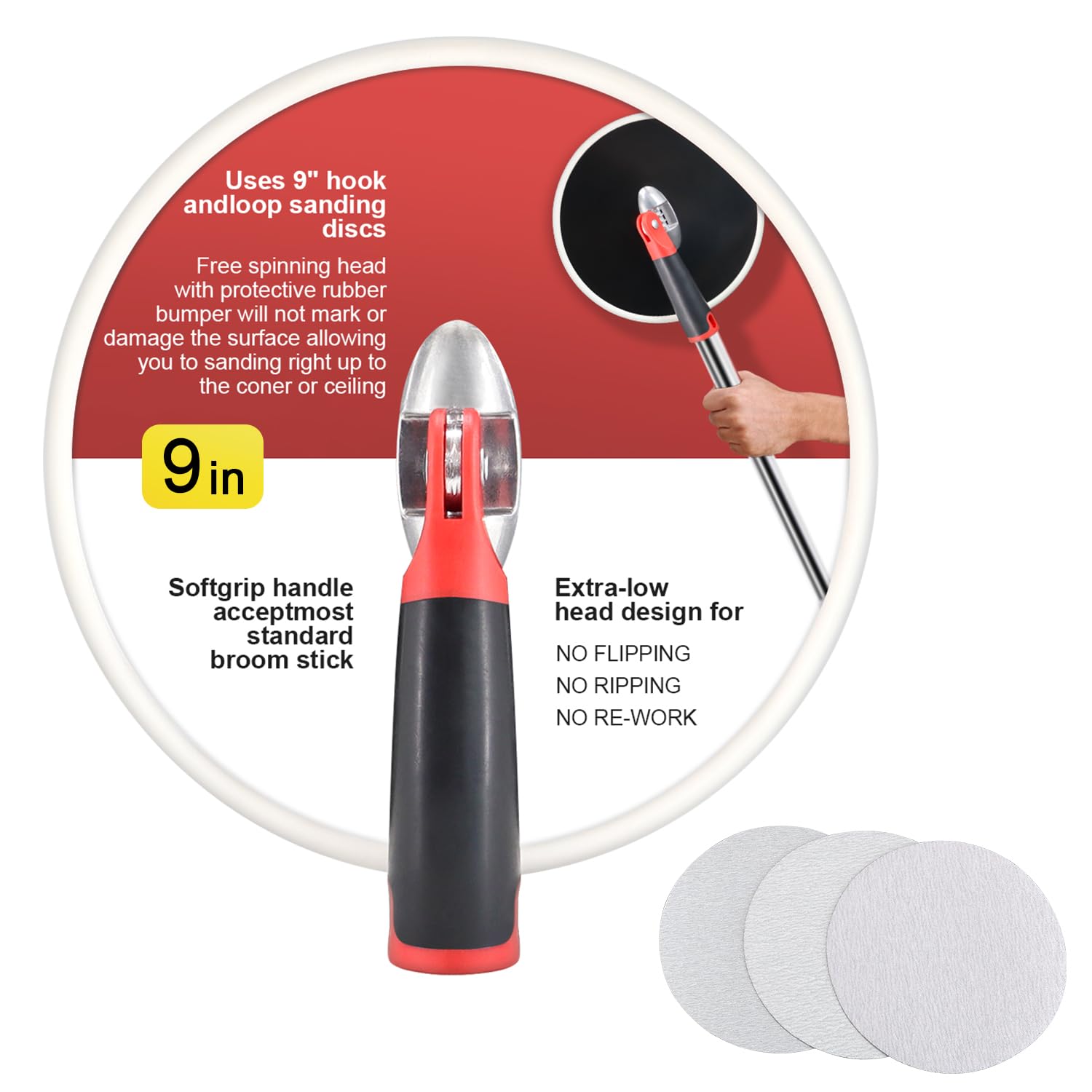
Rolling Dog offers different models tailored for various tasks. Some are lightweight and handheld, perfect for small spaces and touch-ups. Others come with long handles and larger sanding heads, ideal for big walls and ceilings.
Think about where you’ll use the sander most. Will you need to reach high spots or work in tight corners? Your choice depends on the balance between maneuverability and coverage.
Key Features To Consider
Look for features like adjustable speed settings and ergonomic handles. These make sanding less tiring and give you better control over the finish. Dust collection systems are also crucial—they keep your workspace cleaner and reduce airborne particles.
I once tried a sander without a dust bag, and the mess was overwhelming. Investing in one with good dust control saved me hours of cleanup later. What features will help you work smarter, not harder?
Selecting Sandpaper Grit
Choosing the right sandpaper grit affects the smoothness of your drywall surface. Coarse grits (around 60-80) remove material quickly but can leave scratches. Fine grits (120-150) smooth out imperfections and prepare walls for painting.
Start with a coarser grit if you’re sanding fresh drywall or fixing rough patches. Switch to finer grits for the final pass to achieve a flawless finish. Do you have different grit options ready for your project?

Preparing Your Workspace
How to Use Rolling Dog Drywall Sanders.Preparing your workspace is the first step before using rolling dog drywall sanders. A clean and well-lit area helps you work safely and efficiently. Proper ventilation keeps the air clear of dust. These factors improve your sanding results and protect your health.
Clearing And Protecting The Area
How to Use Rolling Dog Drywall Sanders.Remove furniture and items from the room. Cover floors and remaining objects with drop cloths or plastic sheets. This prevents dust and debris from causing damage. Keep the workspace open and free of obstacles. It allows smooth movement of the drywall sander.
Setting Up Lighting
Use bright, even lighting to see the wall surface clearly. Place lamps or work lights to reduce shadows. Light from different angles helps spot uneven areas. Avoid using dim or flickering lights. Good lighting improves sanding accuracy and finish quality.
Ensuring Proper Ventilation
Open windows and doors to let fresh air in. Use fans to help move dust outside. Proper airflow reduces dust buildup in the room. It also protects your lungs from harmful particles. Wear a dust mask for extra safety during sanding.
Setting Up The Sander
Setting up the Rolling Dog drywall sander properly makes your work easier and faster. A correct setup ensures smooth sanding and better results. This section guides you through the basic steps to prepare your sander.
Assembling The Tool
Start by unpacking all parts carefully. Connect the sander head to the handle firmly. Tighten all screws and bolts to avoid wobbling. Check the wheels and base for any damage. Proper assembly prevents accidents and improves sanding accuracy.
Attaching Sandpaper Correctly
Choose the right sandpaper grit for your project. Cut the sandpaper to fit the sander head perfectly. Attach it using the clamps or Velcro strips provided. Make sure the paper is flat without wrinkles. Proper attachment helps you sand evenly and saves time.
Adjusting Handle Height
Set the handle height to match your comfort level. Most models have adjustable poles with locking mechanisms. Extend or shorten the handle until you can stand upright. A good handle height reduces fatigue and improves control. Test the sander movement before starting work.
Techniques For Effective Sanding
How to Use Rolling Dog Drywall Sanders.Effective sanding with a rolling dog drywall sander requires specific techniques. These methods ensure a smooth finish and save time. Proper sanding improves the look of walls and ceilings.
Focus on pressure, stroke, and common errors. Doing these well makes sanding easier and cleaner.
Maintaining Consistent Pressure
Keep steady pressure on the sander. Too much force can damage drywall. Too little pressure slows the work. Hold the sander firmly but not tightly. Let the tool do the sanding, not your strength. Consistency in pressure creates an even surface.
Using Smooth, Even Strokes
Move the sander in slow, smooth strokes. Avoid fast or jerky movements. Overlapping each stroke helps cover all areas. Work in straight lines or gentle curves. This method prevents missed spots and uneven sanding. Smooth strokes also reduce dust buildup.
Avoiding Common Sanding Mistakes
Do not press too hard or sand in one spot too long. Avoid uneven pressure and quick, rough strokes. Check your work often to catch errors early. Use the right grit sandpaper for each stage. Clean the sander and change sandpaper as needed. These steps prevent damage and save time.
Handling Corners And Edges
Handling corners and edges with a rolling dog drywall sander requires care and precision. These areas are tricky to sand evenly because they have less space and sharp angles. Using the right techniques helps avoid damage and ensures a smooth finish. Patience and the correct tools make the job easier and faster.
Using Attachments For Tight Spots
How to Use Rolling Dog Drywall Sanders.Attachments help reach tight corners and edges with ease. Small sanding pads or corner-specific tools fit perfectly in narrow spaces. They allow you to sand without scraping or gouging the drywall. Attachments also reduce the need for manual sanding, saving time and effort. Always pick the right attachment size for the area you work on.
Blending Sanded Areas Seamlessly
Blending sanded spots with flat surfaces creates a smooth, even wall. Use light pressure to feather the edges of the sanded area. Move the sander in circular or side-to-side motions to avoid lines. Check your work by running your hand over the surface. This technique hides imperfections and prepares the wall for painting or wallpaper.
Cleaning And Maintenance
Keeping your Rolling Dog drywall sander clean and well-maintained ensures it works smoothly. Regular care also extends the tool’s life. Follow these easy steps to maintain your sander for the best results.
Removing Dust And Debris
Dust builds up quickly during sanding. Turn off and unplug the sander before cleaning. Use a soft brush or cloth to wipe dust from the surface. Clean vents and moving parts carefully to avoid clogs. A vacuum with a brush attachment also works well. Removing dust prevents damage and keeps the sander running smoothly.
Replacing Worn Sandpaper
Sandpaper wears out after use and loses effectiveness. Check the sandpaper regularly for tears or smooth spots. Remove old sandpaper by peeling it off gently. Attach new sandpaper firmly to avoid slips during sanding. Using fresh sandpaper improves sanding speed and finish quality.
Storing The Sander Properly
Store the sander in a dry, cool place. Avoid damp areas to prevent rust and damage. Keep the sander on a flat surface to protect its parts. Cover it with a cloth or case to keep dust away. Proper storage keeps your sander ready for the next job.
Safety Tips And Best Practices
Using a rolling dog drywall sander can make your sanding tasks easier and faster. Safety is important to avoid injuries and get the best results. Follow these tips and best practices for a safe and smooth sanding experience.
Wearing Protective Gear
Always wear a dust mask to protect your lungs from fine drywall dust. Use safety goggles to keep dust out of your eyes. Gloves protect your hands from rough surfaces and vibration. Wear long sleeves and pants to avoid skin irritation. Proper gear keeps you safe and comfortable.
Preventing Over-sanding
Keep the sander moving at a steady pace to avoid sanding too much in one spot. Check your work often to see if the surface is smooth enough. Use light pressure to prevent damage to the drywall. Over-sanding can cause uneven surfaces and extra work.
Working In Well-ventilated Spaces
Drywall dust can build up quickly in closed areas. Open windows and doors to let fresh air in. Use fans to help move dust out of the room. Ventilation reduces dust inhalation and keeps the workspace cleaner. A fresh airflow makes sanding safer and easier.
Frequently Asked Questions
What Is A Rolling Dog Drywall Sander Used For?
A Rolling Dog Drywall Sander is designed to smooth drywall surfaces efficiently. It helps remove imperfections and prepares walls for painting or finishing. Its rolling design reduces fatigue and increases sanding speed, making drywall projects easier and faster.
How Do You Operate A Rolling Dog Drywall Sander?
To use it, attach the appropriate sanding pad, adjust the handle height, and start sanding gently. Move the sander in smooth, even strokes over the drywall. Regularly check the surface and replace sanding pads as needed for the best results.
Can Rolling Dog Drywall Sanders Reach High Ceilings?
Yes, these sanders often have extendable handles or long poles, allowing you to reach high ceilings. This eliminates the need for ladders and scaffolding, making sanding safer and more convenient for tall walls and ceilings.
What Safety Gear Is Needed When Using This Sander?
Wear safety goggles, a dust mask, and ear protection when sanding. Drywall dust can irritate eyes and lungs, and the sander can be noisy. Proper safety gear ensures a safe and comfortable working environment.
Conclusion
Rolling dog drywall sanders make sanding easier and faster. They help you reach high walls without ladders. Use smooth, steady movements for the best finish. Keep the sander clean for longer use. Choose the right sanding pad for your wall type.
Regular practice improves your control and results. Safety matters—wear a mask to protect your lungs. With patience, your walls will look smooth and ready. Try these tips to get the most from your sander. A good sanding job makes painting much better.


