

How to Prevent Birds from Eating Grass Seed.Are you tired of planting grass seed only to find birds swooping in and gobbling it up before it can grow? It’s frustrating to watch your hard work disappear in seconds.
But don’t worry—there are simple, effective ways to protect your grass seed and give your lawn the best chance to thrive. You’ll discover easy tips you can start using today to keep birds away and help your grass grow strong and healthy.
Keep reading to learn how to save your lawn and enjoy a lush, green yard.

Why Birds Target Grass Seed
How to Prevent Birds from Eating Grass Seed.Birds often peck at grass seed because it is a rich food source. Seeds provide essential nutrients like fats, proteins, and carbohydrates. These nutrients help birds survive, especially in colder months or during migration. Birds see grass seed as an easy meal. They can quickly find and eat many seeds in a small area.
The presence of fresh, uncovered seed makes lawns and gardens attractive to birds. Birds are naturally drawn to places where food is abundant. Once they discover your seeded area, they will keep coming back. This can make growing a new lawn difficult.
Common Bird Species That Eat Seeds
How to Prevent Birds from Eating Grass Seed.Several bird species enjoy eating grass seed. Sparrows are among the most common seed eaters. They are small and quick, making them effective at gathering seeds.
Finches also feed on grass seed. Their strong beaks help them crack open seeds easily. Doves and pigeons eat seeds too, often in larger groups. Blackbirds and starlings may join in, especially in urban areas.
Why Grass Seed Attracts Birds
Grass seed is easy for birds to find and eat. It lies on the soil surface or just beneath it. Birds can spot the seeds from above and access them without effort.
Seeds are high in energy, which is important for birds. The fresh scent of new seed can attract birds from far away. Birds also learn to visit places where seeds are regularly available.
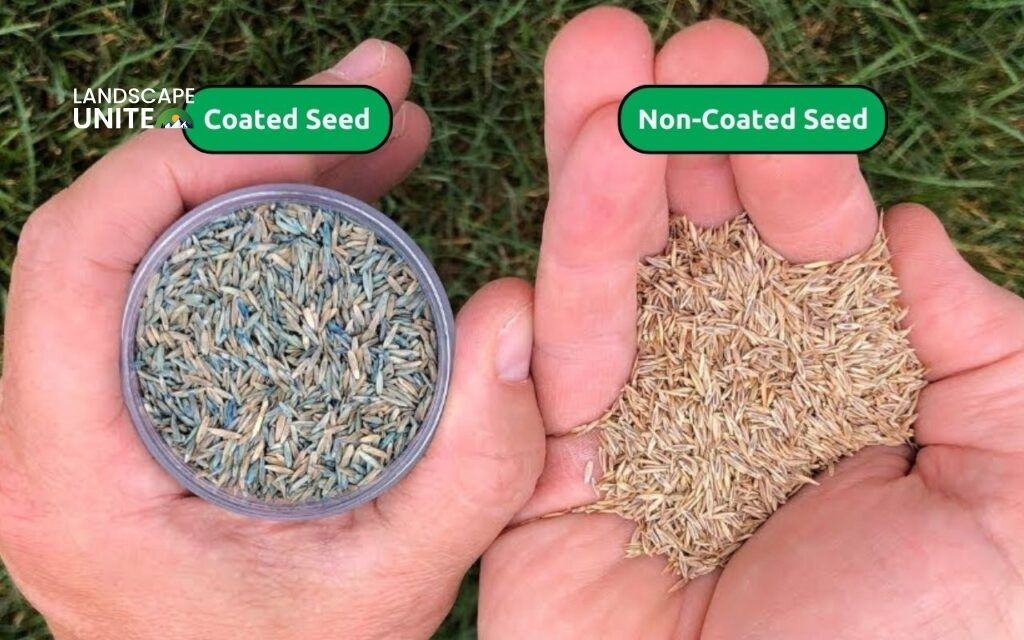
Some types of grass seed have a soft coating, making them more tempting. Birds prefer seeds that are easy to swallow and digest. This natural preference leads them to target seeded lawns often.
Preparing Your Lawn For Seeding
Preparing your lawn for seeding is key to growing strong grass. Good preparation helps seeds grow well and stops birds from eating them. Taking time to get the soil ready gives your lawn the best chance to thrive.
Start by choosing the right time to seed and preparing the soil properly. These steps create a healthy base for new grass to grow.
Choosing The Right Time To Seed
How to Prevent Birds from Eating Grass Seed.Pick a time when the weather is cool and moist. Early fall or spring works best for most grass types. This helps seeds sprout before hot or dry weather arrives. Avoid seeding during very hot or cold days. Moist soil helps seeds stay in place and not get eaten by birds quickly.
Soil Preparation Techniques
Clear the lawn area of old grass, weeds, and debris. Use a rake to loosen the soil surface. This helps seeds touch the soil and start growing roots. Test the soil’s pH and add lime or fertilizer if needed. Smooth the soil with a roller or by walking over it gently. Proper soil contact stops birds from picking up loose seeds. Water the soil lightly before seeding to keep it moist.
Physical Barriers To Protect Seeds
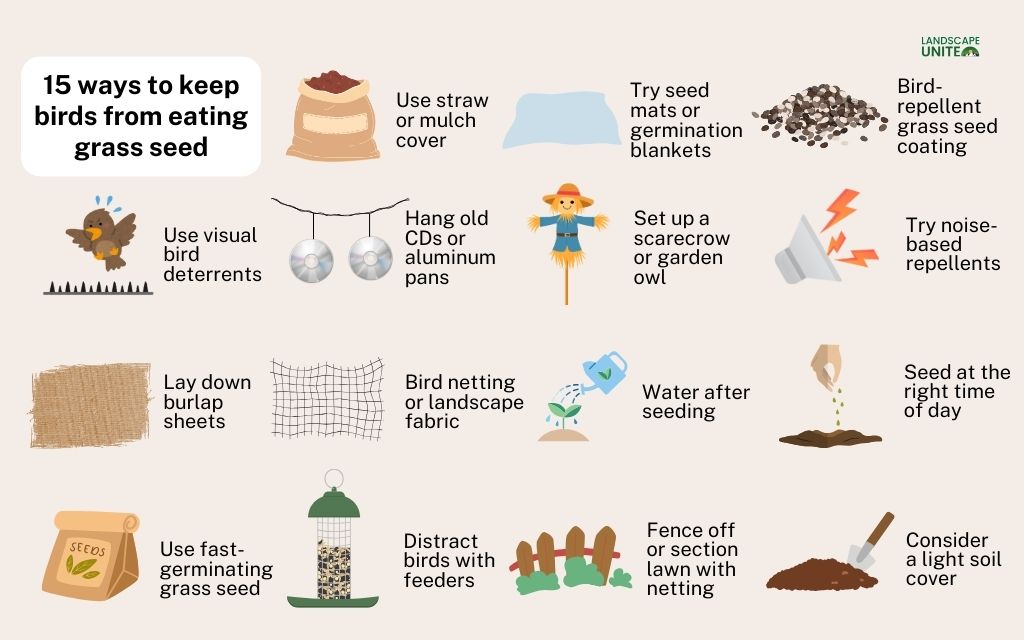
Physical barriers provide effective protection for grass seed. They create a shield that stops birds from reaching the seeds. These barriers are simple to use and work well in many gardens. They also help seeds grow by giving them a safe start.
Using Netting And Screens
Netting is a popular way to protect grass seed. It forms a web over the seeded area. Birds cannot get through the holes in the net. Choose a net with small holes to keep all birds out. Secure the edges tightly to the ground. This stops birds from sneaking under the net. Screens work similarly but offer a sturdier option. They can be placed above the seed to block birds. Both netting and screens allow sunlight and water to reach the seeds.
Covering Seeds With Straw Or Mulch
Covering grass seed with straw or mulch hides it from birds. This natural layer blends with the soil and looks neat. Straw is light and easy to spread over the seeded area. Mulch provides extra moisture and helps seeds stay warm. Both materials protect seeds from wind and birds. Use a thin layer so sunlight still reaches the seeds. This method helps seeds grow strong without being eaten.
Natural Deterrents
Natural deterrents offer safe and eco-friendly ways to protect grass seed from birds. These methods do not harm birds but keep them away effectively. Using nature-based solutions helps maintain a healthy garden environment.
Scare Devices And Visual Deterrents
Scare devices work by frightening birds. Items like shiny tape, fake owls, or scarecrows can stop birds from landing. Reflective objects catch sunlight and confuse birds. Moving items increase the effect and make birds nervous. Change the position of these devices often. Birds get used to them if they stay in one place too long.
Using Bird Repellent Plants
How to Prevent Birds from Eating Grass Seed.Certain plants repel birds naturally. Strong-smelling herbs like rosemary and lavender keep birds away. Thorny plants also discourage birds from landing. Plant these near seeded areas to protect grass seed. They add beauty while serving a purpose. This method is safe for pets and children.
Chemical And Non-toxic Repellents
Using chemical and non-toxic repellents helps protect grass seed from birds. These options keep birds away without harming them or the environment. Choosing the right repellent makes a big difference in your lawn’s growth. Both chemical sprays and natural solutions offer safe ways to stop birds from eating your seeds.
Safe Sprays And Granules
Safe sprays and granules create a barrier birds dislike. These products often use ingredients that irritate birds’ senses. The sprays may smell or taste unpleasant to birds. Granules spread on the soil make seeds less attractive. Both options do not harm birds or pets. Follow the instructions on the product label carefully. Apply sprays early in the morning or late in the evening. Reapply after rain to keep protection strong.
Homemade Bird Repellents
Simple homemade repellents can also work well. Mix water with a little chili powder or garlic to spray. Birds dislike the strong smell and avoid the area. Another option is to scatter crushed eggshells around the seeds. The sharp texture discourages birds from landing. Combine these methods for better results. Homemade repellents cost less and use easy ingredients.
Alternative Feeding Options
Alternative feeding options help keep birds away from your grass seed. Birds eat seeds quickly, leaving your lawn bare. Offering other food can distract them. They get what they need without harming your grass growth.
Feeding birds in a different place works well. It keeps them interested and away from your lawn.
Providing Bird Feeders Away From Lawn
Place bird feeders far from your grass area. Use a spot that is quiet and safe for birds. Fill feeders with seeds birds like. Sunflower seeds, millet, and cracked corn attract many birds. The feeders give birds food so they avoid your new grass seed.
Change feeding spots if birds still visit the lawn. Keep feeders clean and full. This keeps birds coming back to the right place.
Creating Bird-friendly Zones
Set up areas with plants and shrubs birds enjoy. These zones give birds shelter and natural food. Use berry bushes, native plants, and trees. Birds find insects and berries here. They spend more time in these zones instead of your lawn.
Adding water sources helps too. A small birdbath or shallow dish works well. Birds stay happy and less likely to eat your grass seed.
Maintenance After Seeding
After planting grass seed, the work is not done. Proper care helps seedlings grow strong and healthy. Birds can still cause problems by eating young seeds and sprouts. Keeping an eye on the lawn and making changes helps protect the new grass. Regular maintenance ensures better growth and less damage from birds.
Monitoring Seedlings
Check the lawn every day for new shoots. Look for signs of bird activity, like disturbed soil or missing seeds. Early detection helps stop bird damage quickly. Watch how seedlings grow and spot weak spots. Water the grass as needed to keep the soil moist. Healthy seedlings are less likely to be eaten by birds.
Adjusting Deterrents Over Time
Birds get used to static deterrents fast. Change the position of scare devices often. Use different types, such as reflective tape, decoys, or noise makers. Move them every few days to keep birds unsure. Remove old or broken deterrents to avoid clutter. Keep trying new methods until birds stay away.
Frequently Asked Questions
How Can I Stop Birds From Eating Grass Seed?
Use physical barriers like bird netting or row covers to protect seeds. Scare devices, such as reflective tape or decoys, also deter birds effectively.
What Natural Methods Prevent Birds From Eating Seeds?
Planting grass seeds during cooler months reduces bird interest. Using mulch or straw can cover seeds and make them less visible to birds.
Are There Bird Repellents Safe For Lawns?
Yes, non-toxic bird repellents made from natural ingredients are safe. These repellents create an unpleasant surface or smell that discourages birds.
When Is The Best Time To Plant Grass Seed To Avoid Birds?
Early spring or late fall is ideal to plant grass seed. Birds are less active or have alternative food sources during these times.
Conclusion
Protecting your grass seed from birds takes patience and simple steps. Cover the seed with light netting or straw to hide it. Scatter bird feeders far from your lawn to distract birds. Water the seed gently to help it grow fast.
Watch your lawn often and act quickly if birds return. Small efforts can help your grass grow strong and green. Keep trying different ways until you find what works best. Your lawn will thank you with healthy, lush grass soon.


