

How to Reduce Ammonia in Fish Tank. If you have a fish tank, you know how important it is to keep the water clean and safe for your fish. One of the biggest dangers in your tank is ammonia.
Even small amounts can harm your fish and make your tank unhealthy. But don’t worry—reducing ammonia is easier than you think. You’ll discover simple, effective steps to lower ammonia levels and keep your fish happy and thriving. Keep reading, because your fish’s health depends on it!
Causes Of Ammonia Buildup
How to Reduce Ammonia in Fish Tank. Ammonia buildup in fish tanks is a common problem that harms fish health. Understanding its causes helps keep your aquarium safe. Ammonia forms from natural processes inside the tank. Several factors contribute to its rise.
Fish Waste And Overfeeding
Fish produce waste that contains ammonia. More fish means more waste. Overfeeding worsens this by leaving uneaten food to rot. Waste and leftover food break down into ammonia quickly. Regular feeding and tank cleaning reduce this risk.
Decaying Organic Matter
Dead plants, fish, and leftover food decay inside the tank. This decay releases ammonia into the water. Uneaten food and dead leaves often go unnoticed. Removing decaying matter promptly helps control ammonia levels.
Inadequate Filtration
Filters remove harmful substances from the water. Poor or clogged filters fail to process ammonia properly. Old filters lose efficiency over time. Proper filtration supports beneficial bacteria that convert ammonia to less harmful compounds.
Testing Ammonia Levels
How to Reduce Ammonia in Fish Tank. Testing ammonia levels in your fish tank is a key step to keep fish healthy. Ammonia can harm fish quickly, so regular checks help catch problems early. Simple tests show the water’s ammonia content. This helps you act before fish get sick.
Choosing The Right Test Kit
Select a test kit that is easy to use and accurate. Liquid test kits often give clearer results than test strips. Check the kit covers the ammonia range in your tank. Read instructions carefully to avoid mistakes. A good kit saves time and protects your fish.
Frequency Of Testing
Test ammonia levels often, especially in new tanks. Daily testing is best during the first weeks. In established tanks, test at least once a week. Test more if fish look stressed or sick. Regular checks prevent ammonia buildup and keep water safe.
Immediate Actions To Lower Ammonia
How to Reduce Ammonia in Fish Tank. Ammonia in a fish tank can harm your fish quickly. Immediate action is vital to protect their health. Taking fast steps helps reduce ammonia levels and keeps your tank safe.
Performing Partial Water Changes
Changing part of the tank water removes some ammonia. Replace 25% to 50% of the water at once. Use dechlorinated water to avoid stress on fish. Repeat water changes daily until ammonia drops. This method lowers ammonia while keeping beneficial bacteria.
Using Ammonia Neutralizers
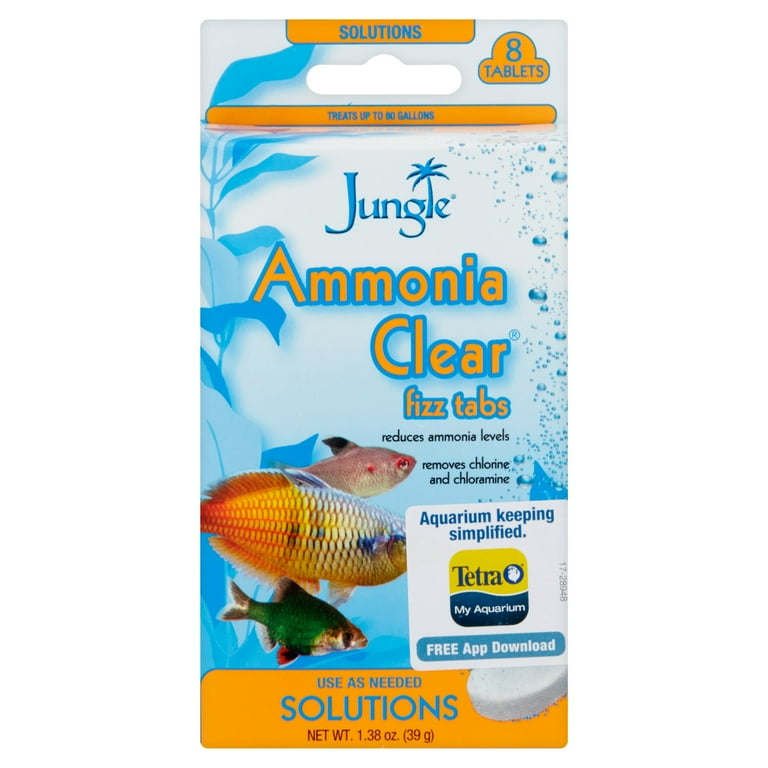
Ammonia neutralizers make ammonia less harmful instantly. Add the product according to package instructions. Neutralizers protect fish during high ammonia spikes. They do not remove ammonia but reduce its toxicity. Use neutralizers alongside water changes for best results.
Enhancing Filtration Systems
Enhancing filtration systems plays a big role in reducing ammonia in fish tanks. Filters help remove harmful substances from the water. They keep the tank clean and safe for fish. Choosing the right filter and keeping it in good shape improves water quality. This section guides you through picking efficient filters and maintaining filter media.
Selecting Efficient Filters
Choose filters that match your tank size. Larger tanks need stronger filters. Look for filters that offer mechanical, biological, and chemical filtration. Mechanical filtration traps particles and debris. Biological filtration breaks down ammonia using good bacteria. Chemical filtration removes toxins and impurities. Canister and hang-on-back filters often provide all three types. Avoid filters that only move water without cleaning it well.
Maintaining Filter Media
Clean filter media regularly to keep bacteria healthy. Rinse media with tank water, not tap water. Tap water can kill beneficial bacteria. Replace media only when necessary to avoid losing bacteria. Check for clogged or worn-out parts. Clean mechanical media like sponges or pads often. Replace chemical media like activated carbon monthly. Healthy filter media ensures ammonia stays low and water stays safe.
Establishing A Healthy Nitrogen Cycle
Establishing a healthy nitrogen cycle is essential for a clean fish tank. This natural process helps break down harmful ammonia into less toxic substances. A well-cycled tank supports fish health and keeps water safe.
The nitrogen cycle depends on beneficial bacteria living in the tank. These bacteria convert ammonia first into nitrites and then into nitrates. Nitrates are less harmful and can be removed through water changes or plants.
Beneficial Bacteria Role
Beneficial bacteria are tiny but powerful. They live on surfaces like gravel, filters, and decorations. These bacteria eat ammonia and nitrites, which are toxic to fish. Their work keeps the water clean and fish safe.
Without these bacteria, ammonia builds up quickly. This can stress or even kill fish. Encouraging bacteria growth is key to a healthy tank environment.
Cycling Your Tank Properly
Cycling means allowing time for bacteria to grow and establish. Start with adding a small amount of fish food or pure ammonia. This feeds bacteria and begins the cycle.
Test your water regularly for ammonia, nitrites, and nitrates. Ammonia and nitrites should drop to zero as bacteria grow. Nitrates will rise but stay at safe levels.
Do not add many fish before the cycle finishes. A fully cycled tank supports fish health and reduces ammonia problems.

Controlling Feeding And Stocking Levels
Controlling feeding and stocking levels plays a vital role in keeping ammonia low in a fish tank. Too much food or too many fish can cause ammonia to build up quickly. Managing these factors helps maintain a clean and safe environment for your fish.
Feeding Practices To Minimize Waste
Feed your fish only the amount they can eat in a few minutes. Uneaten food breaks down and releases ammonia. Use small portions and feed fish two or three times a day. Remove any leftover food after feeding to prevent decay. Choose high-quality food that your fish can digest easily. Proper feeding reduces waste and lowers ammonia levels.
Avoiding Overcrowding
Do not keep too many fish in one tank. Overcrowding stresses fish and increases waste production. Follow recommended stocking levels based on tank size and fish species. Provide enough space for each fish to swim freely. Regularly check fish health to avoid sudden waste spikes. A well-balanced fish population helps control ammonia naturally.
Regular Tank Maintenance Tips
Regular tank maintenance plays a key role in reducing ammonia levels in your fish tank. Ammonia builds up from waste and leftover food. Keeping your tank clean helps protect your fish and keeps the water safe. Simple steps can make a big difference in water quality.
Consistent care prevents ammonia spikes and supports a healthy environment. Focus on areas where waste collects most. Clean these spots regularly to stop ammonia from rising. Let’s explore two important tasks for regular tank upkeep.
Cleaning Substrate And Decorations
Substrate and decorations collect fish waste and debris. These areas often hide harmful ammonia sources. Use a gravel vacuum to clean the substrate during water changes. Gently scrub decorations with a soft brush to remove buildup. Avoid using soap or chemicals. Clean surfaces remove waste and lower ammonia levels.
Removing Uneaten Food
Uneaten food decomposes and creates ammonia quickly. Feed your fish small amounts that they can finish in a few minutes. Remove leftover food after feeding using a net or siphon. Keep the tank free of excess food to control ammonia. This simple step prevents water pollution and keeps fish healthy.

Using Live Plants To Reduce Ammonia
How to Reduce Ammonia in Fish Tank. Using live plants is a natural way to reduce ammonia in a fish tank. Plants absorb ammonia through their roots and leaves. This helps keep the water clean and safe for fish. Plants also improve oxygen levels and add beauty to the tank.
Choosing the right plants can make a big difference. Some plants absorb more ammonia than others. A well-planted tank can lower ammonia faster than a tank without plants.
Plant Species That Absorb Ammonia
Java moss is a popular plant that absorbs ammonia well. It grows fast and needs little light. Anacharis is another good choice. It grows quickly and takes up ammonia from the water. Hornwort is a floating plant that helps reduce ammonia. Amazon sword plants also absorb ammonia and provide shelter for fish. Water wisteria is easy to care for and helps keep ammonia low.
Benefits Of Aquatic Plants
Aquatic plants absorb harmful ammonia and other toxins. They create a natural filter in the tank. Plants produce oxygen that fish need to breathe. They also reduce algae growth by using nutrients in the water. Plants make the tank look natural and calm. Fish feel safer and less stressed in planted tanks. Overall, plants support a healthy and balanced aquarium environment.
Monitoring And Preventing Future Spikes
Monitoring and preventing future spikes in ammonia is key to keeping fish healthy. Ammonia can rise quickly and harm your fish. Regular checks help catch problems early. Prevention stops the ammonia from reaching dangerous levels again.
Routine Water Testing
Test your tank water at least once a week. Use an ammonia test kit for accurate results. Record each reading to track changes over time. This habit helps spot any rise in ammonia fast. Prompt action can protect your fish from stress or illness.
Early Warning Signs
Watch your fish for unusual behavior. Gasping at the surface or rubbing against objects can indicate ammonia issues. Cloudy water or strange smells also warn of trouble. Acting early reduces damage and keeps your tank stable. Knowing these signs saves your fish from harm.
Frequently Asked Questions
What Causes High Ammonia In Fish Tanks?
High ammonia usually results from overfeeding, excess waste, and inadequate filtration. Uneaten food and fish waste break down, releasing ammonia. A new or uncycled tank often lacks beneficial bacteria to convert ammonia into less harmful substances, leading to toxic buildup that harms fish health.
How Often Should I Test Ammonia Levels?
Test ammonia levels at least twice a week in established tanks. For new tanks, daily testing is ideal until the nitrogen cycle stabilizes. Regular testing helps detect spikes early, allowing timely intervention to protect fish from ammonia poisoning.
What Are The Best Methods To Reduce Ammonia?
Perform partial water changes and clean the tank regularly to reduce ammonia. Use ammonia-neutralizing products and improve filtration with bio-media. Avoid overfeeding and remove uneaten food promptly. Adding beneficial bacteria supplements can speed up ammonia breakdown naturally.
Can Live Plants Help Reduce Ammonia?
Yes, live plants absorb ammonia and other nitrogen compounds as nutrients. They improve water quality and provide oxygen, benefiting fish health. Fast-growing plants like hornwort and duckweed are especially effective in reducing ammonia levels in freshwater tanks.
Conclusion
Keeping ammonia low keeps fish healthy and happy. Test the water often to catch problems early. Change water regularly to remove toxins and waste. Use plants or filters to help clean the tank. Feed fish only what they can eat quickly.
Small steps make a big difference over time. A clean tank means less stress for your fish. Stay consistent and patient with your care routine. Your fish will thrive in a safe, fresh environment. Simple habits protect your underwater world every day.


