
How to Reduce Nitrate in a Fish Tank.Are you worried about the health of your fish and the water in your tank? High nitrate levels can harm your aquatic friends and make your tank look cloudy and unhealthy.
But don’t worry—reducing nitrate in your fish tank is easier than you think. You’ll discover simple, effective ways to keep your water clean and your fish happy. Keep reading to learn how you can take control of your tank’s nitrate levels and create a thriving underwater world.

Sources Of Nitrate In Aquariums
Nitrate builds up in fish tanks from many sources. Understanding these helps keep your aquarium healthy. Nitrate itself is less harmful than ammonia or nitrite. Yet, high nitrate levels stress fish and promote algae growth. Knowing where nitrate comes from is the first step to control it.
Fish Waste And Uneaten Food
Fish produce waste that contains ammonia. Beneficial bacteria convert ammonia into nitrite and then nitrate. Uneaten food decays and adds to nitrate levels. Overfeeding fish increases nitrate faster. Cleaning leftover food reduces nitrate in the tank.
Decaying Plant Material
How to Reduce Nitrate in a Fish Tank.Dead or dying plants break down inside the aquarium. This decay releases nitrate into the water. Regularly remove dead leaves and old plant parts. Healthy plants use nitrate, but rotting plants add it. Keep plants trimmed to control nitrate naturally.
Tap Water Contaminants
Tap water often contains nitrate and other minerals. Using untreated tap water raises nitrate levels. Testing your water source helps spot nitrate problems early. Use water conditioners or filtered water to reduce nitrate input. Frequent water changes keep nitrate under control.
Effects Of High Nitrate Levels
High nitrate levels in a fish tank can cause many problems. Nitrate is a chemical that builds up from fish waste, leftover food, and decaying plants. It may seem harmless, but too much nitrate can harm your fish and the tank environment. Understanding the effects of high nitrate levels helps keep your fish healthy and your tank clean.
Fish Health Risks
High nitrate can stress fish and weaken their immune systems. Fish may become sick more often or stop eating. Some species are more sensitive and may die if nitrate levels stay high for long. Stress from nitrate can cause slow growth and dull colors. It is important to keep nitrate low to protect your fish.
Algae Growth
How to Reduce Nitrate in a Fish Tank.Excess nitrate fuels algae growth in the tank. Algae can cover the glass, plants, and decorations. It makes the tank look dirty and blocks light for other plants. Too much algae can reduce oxygen levels in the water. Controlling nitrate helps prevent algae from taking over your tank.
Water Quality Issues
High nitrate means poor water quality. It can cause cloudy or smelly water that is unpleasant to see. Poor water quality stresses fish and harms beneficial bacteria. This bacteria helps break down waste in the tank. Keeping nitrate low supports a healthy and balanced tank environment.
Regular Water Changes
How to Reduce Nitrate in a Fish Tank.Regular water changes are a simple and effective way to reduce nitrate levels in a fish tank. Nitrates build up over time from fish waste, leftover food, and decaying plants. Changing the water removes some of these nitrates and keeps the tank environment healthy. This practice also refreshes oxygen levels and keeps fish happy.
Water changes are essential for maintaining good water quality. They help control nitrate without chemicals or complicated filters. Consistency is key. Skipping changes allows nitrates to rise, which can harm fish and plants. A steady schedule keeps the aquarium safe and clean.
How Often To Change Water
Change water regularly to keep nitrate low. A good rule is 10% to 20% every week. Some tanks need more frequent changes. It depends on tank size, fish number, and feeding habits. Smaller tanks or crowded tanks need water changes twice a week. Larger tanks with fewer fish may only need weekly changes.
Test nitrate levels often. If nitrate stays high, increase water change frequency. Consistent checks help avoid sudden problems. Adjust your routine based on test results and tank conditions.
Best Practices For Water Changes
Use a gravel vacuum to clean the tank bottom during water changes. This removes uneaten food and waste that create nitrates. Always use dechlorinated water to avoid harming fish. Match the temperature of new water to the tank to prevent stress.
Remove water slowly to avoid shocking fish. Replace water gently to keep tank stable. Avoid changing all the water at once. Large water changes can disrupt beneficial bacteria that break down waste.
Keep track of water changes in a log. This helps maintain a steady schedule. Regular water changes protect fish and keep nitrate under control.
Efficient Filtration Systems
Efficient filtration systems play a key role in reducing nitrate levels in fish tanks. They help keep water clean and healthy for your fish. Good filtration removes waste and breaks down harmful substances. This prevents nitrate buildup, which can harm aquatic life. Choosing the right filter and keeping it well maintained is essential for a healthy tank.
Types Of Filters That Reduce Nitrate
Biological filters use beneficial bacteria to break down ammonia and nitrites. These bacteria convert harmful substances into less toxic nitrate. Mechanical filters trap debris and particles from the water. Chemical filters use special media to absorb nitrate directly. Combining these filters gives the best nitrate control. Canister filters and sponge filters are popular choices for nitrate removal. Each filter type suits different tank sizes and fish species.
Maintaining Your Filter
Regular cleaning keeps filters working well and reduces nitrate buildup. Rinse filter media in tank water to avoid killing helpful bacteria. Replace chemical media like activated carbon or nitrate removers as needed. Check filter flow to ensure water moves properly through the system. Clean clogged parts to prevent filter failure. A well-maintained filter supports a healthy, low-nitrate environment for your fish.
Using Live Plants
Using live plants is a natural way to reduce nitrate in a fish tank. Plants take nitrate from the water and use it to grow. This helps keep the water cleaner and safer for fish. Live plants also add beauty and oxygen to the tank. They create a balanced environment for fish and other aquatic life.
Nitrate Absorbing Plants
Some plants absorb nitrate better than others. Hornwort and Anacharis grow fast and remove a lot of nitrate. Java moss and water wisteria also help keep nitrate levels low. These plants survive well in many tank conditions. Adding a mix of these plants can improve nitrate control. Choose plants that match your tank size and light levels.
Plant Care Tips
Healthy plants absorb more nitrate. Give plants enough light for at least 8 hours a day. Use plant fertilizers carefully to avoid extra nutrients. Trim dead leaves to keep plants strong. Change water regularly to keep nitrate low. Avoid overcrowding plants to allow good water flow. Monitor plant health to catch problems early.
:strip_icc()/nitrateremoverpad-98cd754708f94d92902f2cd6a4c221ea.jpg)
Controlling Feeding Habits
Controlling feeding habits plays a key role in reducing nitrate levels in a fish tank. Excess food breaks down and creates waste. This waste releases nitrates that harm fish health. Proper feeding keeps the tank clean and fish happy.
Avoid Overfeeding
Overfeeding causes leftover food to decay. Decaying food raises nitrate levels quickly. Feed fish small amounts they can eat in two minutes. Remove uneaten food after feeding to stop waste buildup. Feed only once or twice daily to control nitrate growth.
Choosing The Right Food
How to Reduce Nitrate in a Fish Tank.Select fish food that matches your fish species. High-quality food digests better and creates less waste. Avoid foods with fillers or low nutrients. Use pellets or flakes designed for your fish type. Good food reduces nitrate production in the tank.
Additional Nitrate Removal Methods
Controlling nitrate levels in a fish tank is vital for healthy fish and plants. Besides regular water changes and good tank maintenance, you can use extra methods to reduce nitrates. These methods help keep your tank environment safe and clean.
Chemical Filtration Media
How to Reduce Nitrate in a Fish Tank.Chemical filtration media remove nitrates by absorbing them from the water. These products fit into your filter system easily. They trap nitrates and other harmful substances. Use them as a part of your regular filtration setup. Replace the media according to the product instructions to keep it effective.
Nitrate-reducing Bacteria
Special bacteria can break down nitrates in the tank. These bacteria live in filters or special bio-media. They convert nitrates into harmless gases. Adding these bacteria helps balance the tank’s nitrogen cycle. You can buy bacterial supplements to boost this process. Make sure the tank conditions support bacterial growth, like good oxygen levels.
Specialized Nitrate Removal Products
Some products are designed specifically to remove nitrates. They may come in the form of resins or pads. These products are easy to use and fit in most filters. Use them alongside your regular tank care routine. Always follow the instructions for best results and safety.
Monitoring Nitrate Levels
Keeping nitrate levels in check is essential for a healthy fish tank. Nitrate can harm fish and plants if it builds up. Regular monitoring helps catch problems early. It lets you act fast to keep your tank safe. Use simple tools and know what numbers mean. This section explains how to monitor nitrate levels.
Testing Kits And Frequency
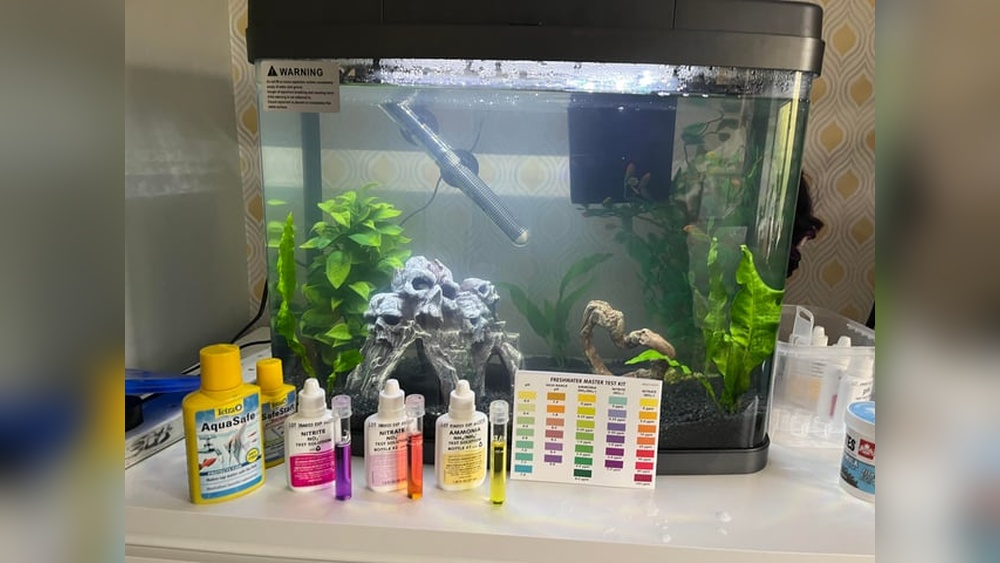
Use a reliable nitrate test kit for your tank. These kits come with easy-to-follow instructions. Test kits usually use color changes to show nitrate levels. Test your water at least once a week. More often if you have many fish or notice issues. Keep a log of your nitrate readings. This helps track changes over time.
Interpreting Test Results
Ideal nitrate levels are below 20 ppm for most tanks. Levels above 40 ppm can stress fish and plants. If your nitrate is high, act quickly to reduce it. Use water changes or add live plants to help. Keep testing to see if your actions work. Stable low nitrate means a healthy tank environment.
Frequently Asked Questions
How Often Should I Test Nitrate Levels In My Fish Tank?
Test nitrate levels weekly to ensure a safe environment. Frequent testing helps catch rising nitrates early and prevents harm to fish. Use a reliable test kit for accurate results and adjust maintenance accordingly.
What Are The Best Plants To Reduce Nitrate Naturally?
Fast-growing plants like hornwort, water sprite, and duckweed absorb nitrates efficiently. Adding live plants improves water quality and provides oxygen. Plants compete with algae for nutrients, lowering nitrate levels naturally.
How Does Regular Water Change Reduce Nitrate?
Regular water changes dilute nitrate concentration in the tank water. Replace 20-30% weekly to maintain healthy nitrate levels. Fresh water reduces toxic buildup, benefiting fish health and overall tank balance.
Can Beneficial Bacteria Help Lower Nitrate Levels?
Yes, beneficial bacteria convert nitrate into nitrogen gas through denitrification. Proper filtration and oxygen levels support these bacteria. Maintaining a healthy biofilter is essential for natural nitrate reduction.
Conclusion
Reducing nitrate keeps your fish tank healthy and clear. Regular water changes help remove excess nitrate. Adding live plants can absorb nitrates naturally. Avoid overfeeding to reduce waste buildup. Use a good filter to keep water clean. Test nitrate levels often to track progress.
Small steps make a big difference over time. Healthy water means happy, thriving fish. Start today and enjoy a cleaner tank tomorrow.


